
Category: Health - Page 4
Counterfeit Drugs in Developing Nations: The Hidden Crisis Killing Millions
Counterfeit drugs in developing nations kill over 100,000 people annually, with fake medicines often containing no active ingredients or toxic chemicals. This crisis thrives due to poverty, weak regulation, and unaffordable real drugs.
When to Avoid a Medication Family After a Severe Drug Reaction
Not all severe drug reactions mean you must avoid an entire medication family. Learn when to avoid a drug class and when you can safely try alternatives based on reaction type, cross-reactivity, and modern testing.
St. John’s Wort and Prescription Drug Interactions: What You Must Know
St. John's Wort can make prescription drugs like warfarin, birth control, and antidepressants stop working - with life-threatening results. Learn which medications are at risk and what to do instead.
GLP-1 Receptor Agonists: How to Manage Nausea and GI Side Effects
GLP-1 receptor agonists like Ozempic and Wegovy help with weight loss and diabetes but often cause nausea and stomach issues. Learn why this happens, how long it lasts, and practical ways to manage it without quitting.
Active vs Inactive Drug Ingredients: Why the Difference Matters for Your Health
Active ingredients treat your condition, but inactive ingredients make the medicine work - and can cause side effects. Learn why both matter for your health and safety.
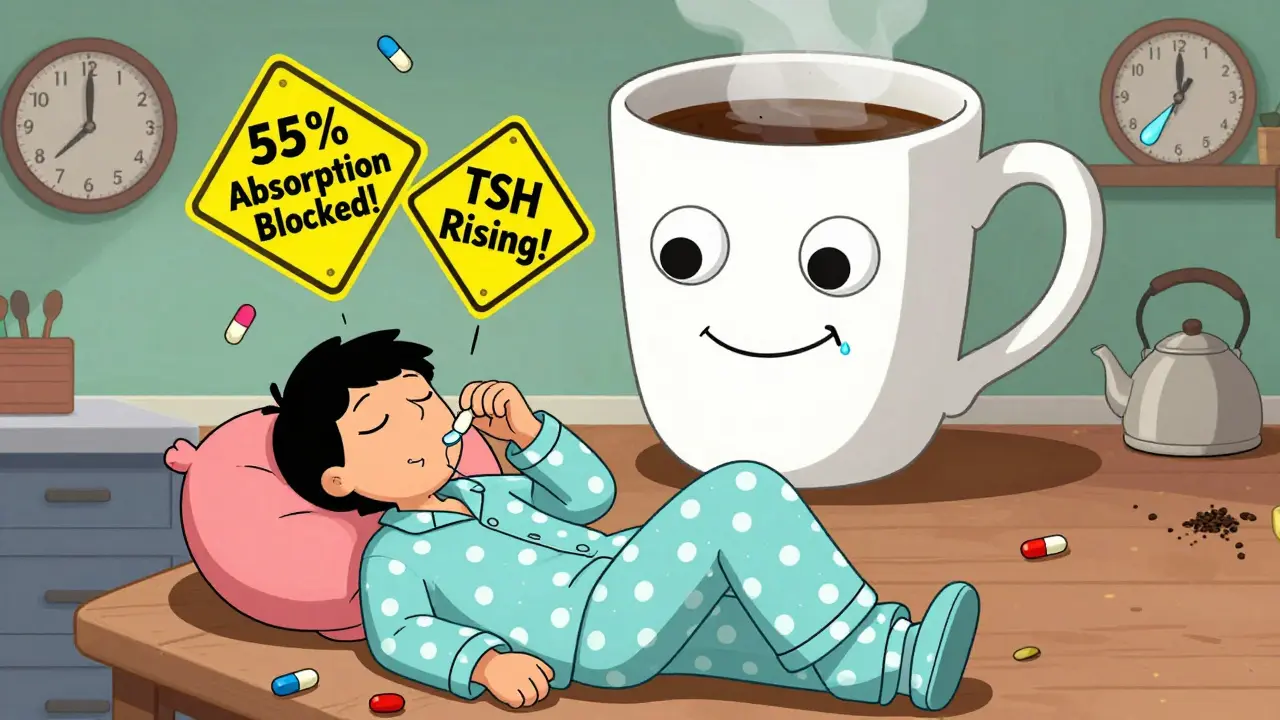
Chocolate, Coffee, and Tea with Medications: Hidden Interactions You Can't Ignore
Coffee, tea, and chocolate can interfere with thyroid, antidepressant, blood pressure, and chemotherapy drugs. Learn which combinations are dangerous, how to avoid them, and what to do if you've been mixing them for years.
Dust Mite Control: Bedding, Humidity, and Cleaning Tips for Allergy Relief
Learn how to control dust mites with proven strategies for bedding, humidity, and cleaning. Reduce allergy symptoms naturally by targeting the root causes-no expensive sprays or gimmicks needed.
Huntington’s Disease: Understanding Genetics, Chorea, and Real-Life Care Planning
Huntington’s disease is a genetic, progressive brain disorder causing chorea, cognitive decline, and emotional changes. Early care planning-legal, medical, and emotional-is critical for quality of life, as there is no cure yet. Understanding genetics and symptom progression helps families prepare.
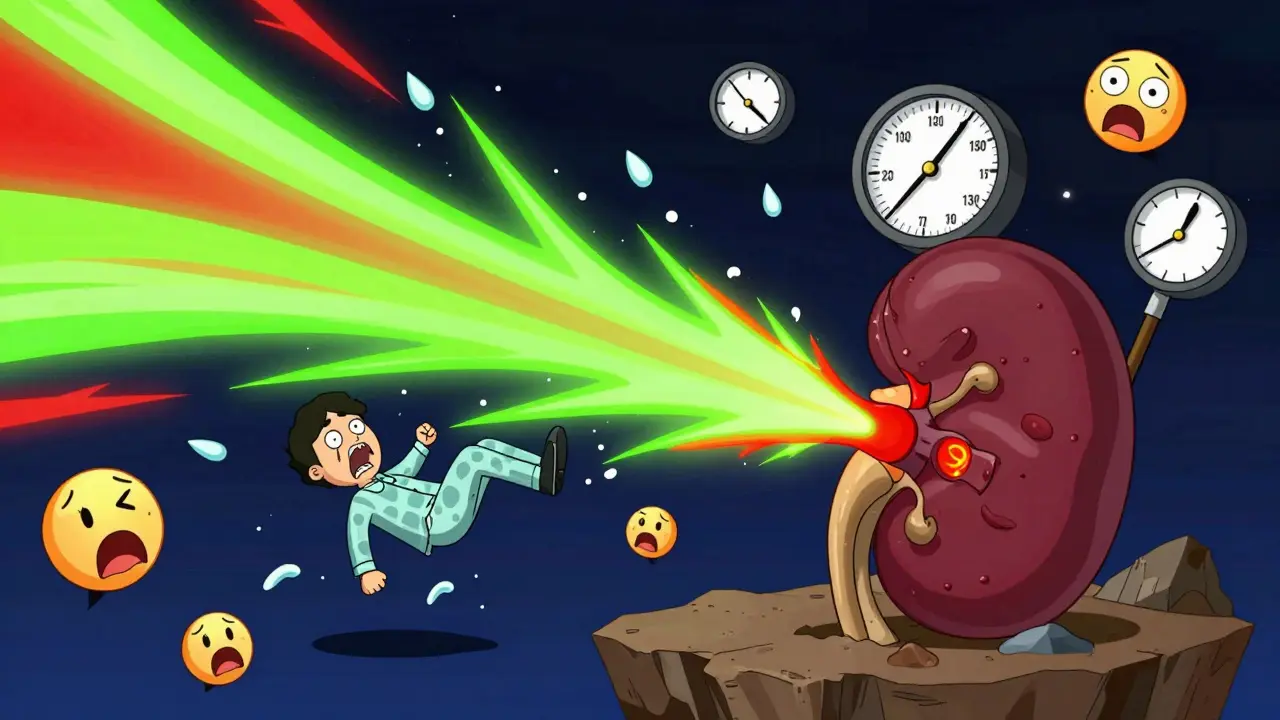
Pheochromocytoma: What It Is, How It Causes High Blood Pressure, and Why Surgery Is Often the Cure
Pheochromocytoma is a rare adrenal tumor that causes dangerous spikes in blood pressure through excess adrenaline. Learn how it's diagnosed, why surgery is the only cure, and why so many cases are missed for years.
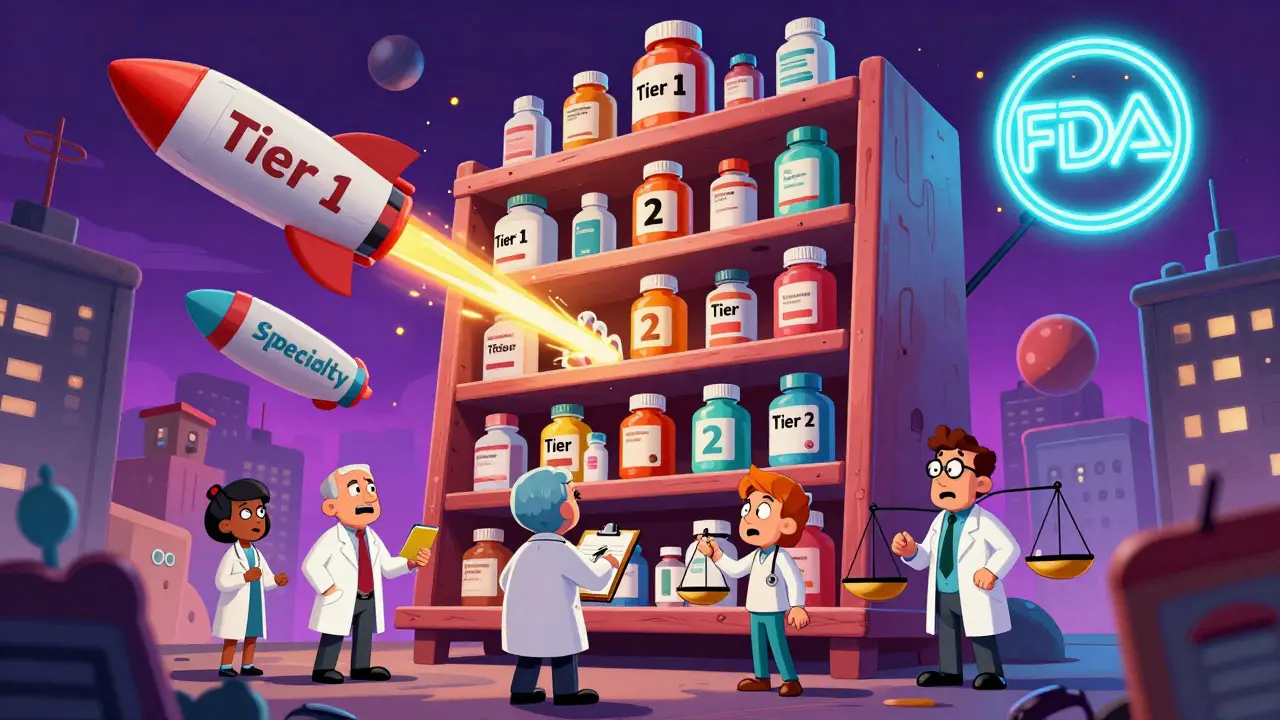
How Insurers Choose Which Generics to Cover
Insurers use strict criteria to choose which generic drugs to cover, balancing clinical effectiveness, safety, and cost. Most place generics in the lowest-cost tier, saving billions annually while ensuring patients get affordable treatment.
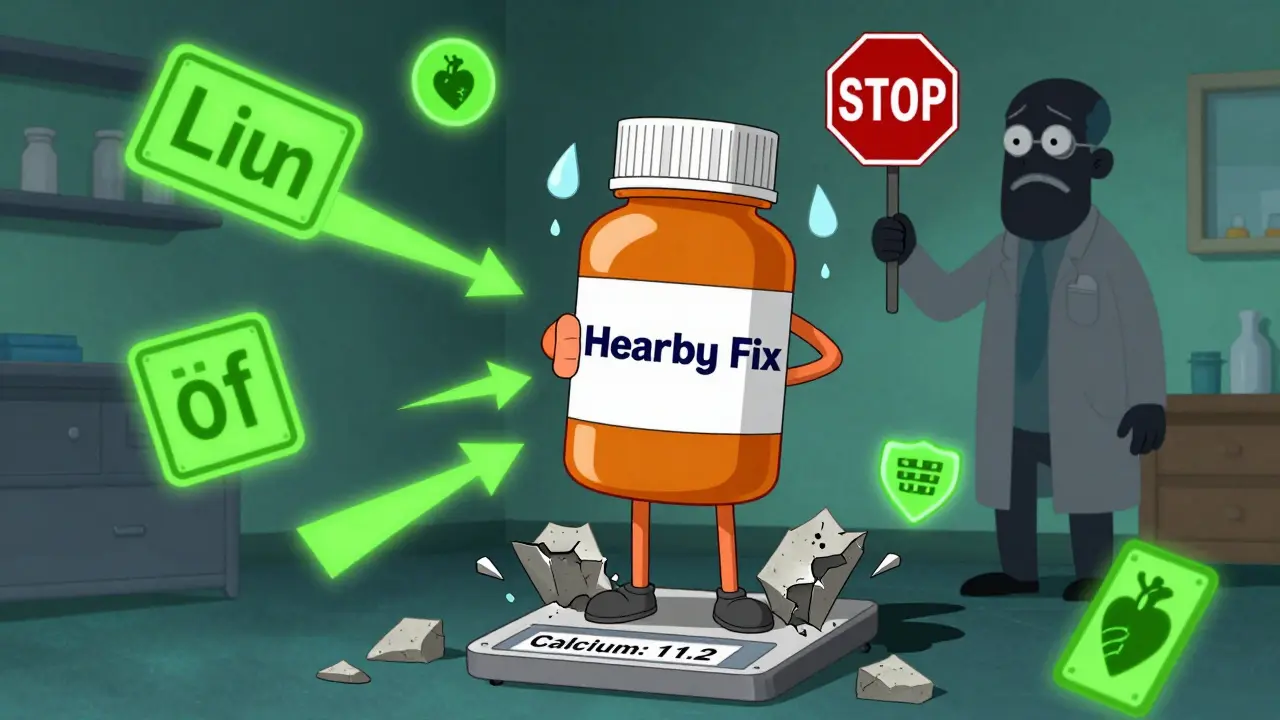
Antacids and Kidney Disease: What You Need to Know About Phosphate Binders and Risks
Antacids like Tums and Milk of Magnesia are commonly used for heartburn, but they can be dangerous for people with kidney disease. Learn how calcium, aluminum, and magnesium antacids affect phosphate levels, why prescription binders are safer, and what steps to take to avoid life-threatening complications.
Compulsory Licensing: How Governments Can Override Patents in Emergencies
Compulsory licensing lets governments override patents to make life-saving drugs affordable during emergencies. Used in HIV, COVID-19, and cancer treatments, it balances innovation with public health needs.