
It’s easy to think of your morning coffee, afternoon tea, or a square of dark chocolate as harmless habits. But if you’re on medication, these everyday choices could be quietly undermining your treatment - or even putting your health at risk.
Why Your Morning Coffee Might Be Ruining Your Thyroid Meds
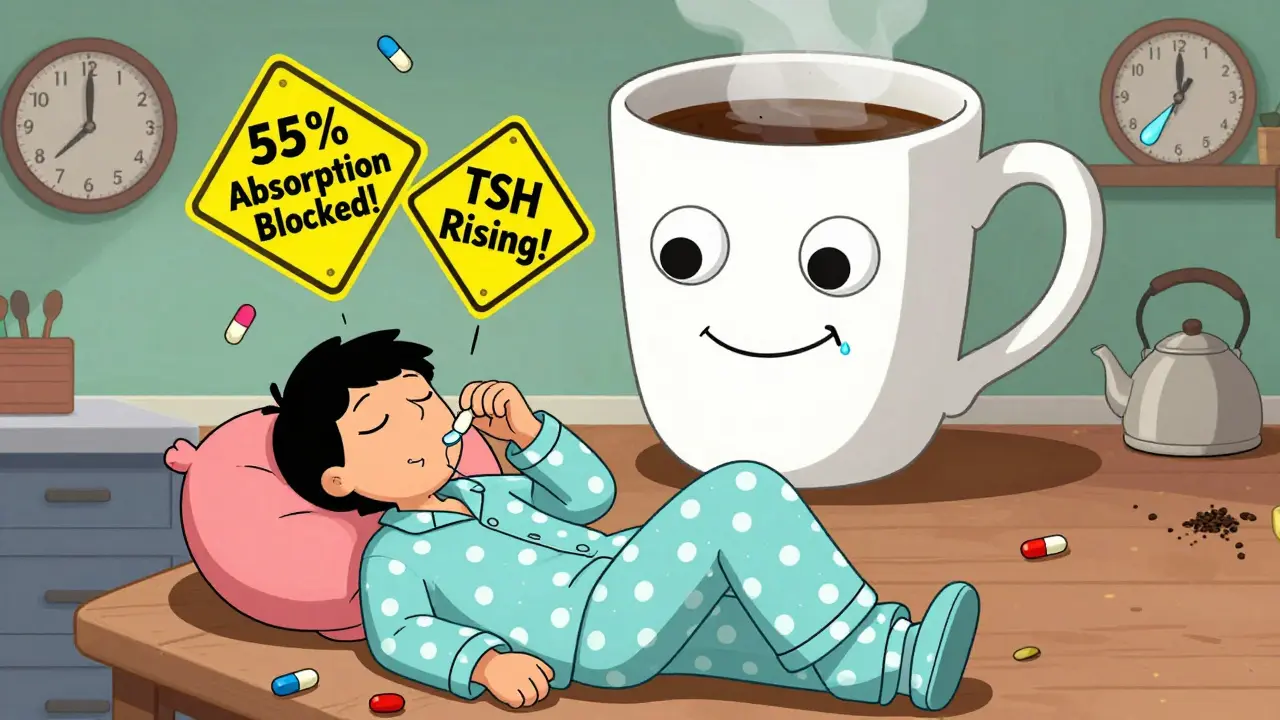
If you take levothyroxine for hypothyroidism, drinking coffee right after your pill could be the reason your TSH levels stay high. A 2023 study in the Journal of Clinical Endocrinology found that coffee reduces levothyroxine absorption by up to 55%. That’s not a small drop - it’s enough to leave you fatigued, gaining weight, or feeling depressed, even if you’re taking the right dose. The problem isn’t just caffeine. Coffee’s acidity and compounds in the brew interfere with how the thyroid hormone is absorbed in your gut. The American Thyroid Association and Endocrine Society both say you must wait at least 60 minutes after taking your pill before drinking coffee. Waiting only 30 minutes? That cuts interference by just 32%, according to clinical trials. Water is the only safe companion for your thyroid medication.Tea Isn’t Just a Relaxing Drink - It Can Block Chemo Drugs
Green tea is full of antioxidants, but those same compounds - especially catechins - can mess with how your body absorbs certain medications. A 2024 study in Clinical Pharmacology & Therapeutics showed green tea reduces absorption of the cancer drug bortezomib by 68% in multiple myeloma patients. That’s not theoretical - it’s life-threatening. Tea also affects drug transporters like P-glycoprotein, which controls how much of a drug gets into your bloodstream. For people on blood thinners like warfarin, green tea’s vitamin K content can lower INR levels by 0.8-1.2 points within 24 hours, increasing clot risk. Even black tea can interfere with some antibiotics and antidepressants. Here’s a simple fix: If you’re on chemotherapy or critical medications, limit green tea to one cup a day, steeped for no more than two minutes. Shorter steeping cuts catechin levels by 63%, according to Mayo Clinic research. And never drink tea within two hours of taking your pills.Chocolate Isn’t Just Sugar - It Can Trigger Dangerous Blood Pressure Spikes
Dark chocolate contains theobromine, a compound similar to caffeine. It’s not just a mood booster - it can amplify stimulant effects and interfere with medications. The biggest danger? Taking monoamine oxidase inhibitors (MAOIs) like phenelzine for depression. WebMD documented 17 cases of hypertensive crisis between 2020 and 2024 when patients ate more than 50g of dark chocolate while on MAOIs. Symptoms included severe headaches, chest pain, and blood pressure spikes over 200 mmHg. One case required ICU admission. Even if you’re not on MAOIs, theobromine can make stimulant medications like pseudoephedrine (in cold pills) more dangerous. Harvard Health reported 287 emergency room visits in 2024 from people combining caffeine-heavy coffee with pseudoephedrine - leading to heart rates over 120 bpm and systolic pressure above 180 mmHg. Milk chocolate has less theobromine (50-200mg per 100g vs. 200-450mg in dark), so it’s safer. But if you have diabetes, the added sugar in milk chocolate can interfere with drugs like glimepiride. There’s no perfect choice - just trade-offs.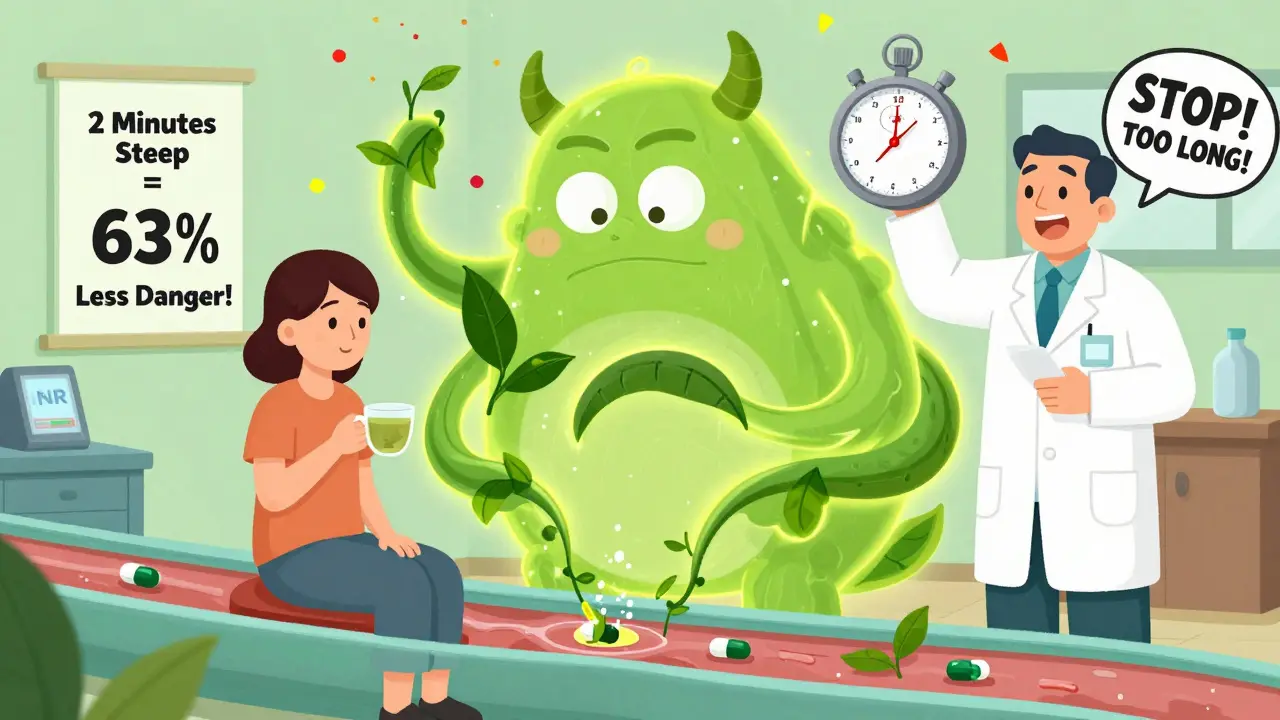
What Happens When Caffeine Meets Your Antidepressants
Caffeine doesn’t just keep you awake - it changes how your liver processes drugs. The enzyme CYP1A2 breaks down about 10% of all prescription medications. Coffee inhibits this enzyme, causing drugs to build up in your system. Fluvoxamine (Luvox), an antidepressant, is especially vulnerable. A 2024 JAMA Psychiatry study found regular coffee reduced fluvoxamine levels by 31%. That’s enough to trigger depression relapse in 22% of patients. The same thing happens with clozapine, an antipsychotic used for treatment-resistant schizophrenia. The European Medicines Agency now recommends CYP1A2 genetic testing for anyone on clozapine - because some people naturally metabolize caffeine slowly, making interactions far worse. On the flip side, caffeine can actually help with pain relief. A 2023 meta-analysis in the Journal of Pain Research showed caffeine boosts acetaminophen and aspirin effectiveness by 40%, with no added side effects. That’s why many OTC painkillers include caffeine. The difference? It’s intentional, controlled, and studied.Why Your Blood Pressure Med Might Not Be Working
If your blood pressure isn’t coming down despite taking your meds, coffee could be the silent saboteur. Verapamil (Verelan), a calcium channel blocker, becomes 28% less effective when taken with coffee, according to the American Heart Association’s 2025 trial. Patients saw systolic pressure jump 15-20 mmHg within hours. The same goes for beta-blockers like propranolol. Caffeine can counteract their heart-slowing effects, leaving your pulse racing even if you’re taking your pills on time. The fix? Space out your coffee by at least two hours before and after your blood pressure meds. And don’t assume decaf is safe - some decaf coffees still contain 5-15mg of caffeine per cup.Seizures and Coffee: A Dangerous Mix
If you have epilepsy and take tiagabine (Gabitril), coffee might be making your seizures worse. The FDA issued a Drug Safety Communication in 2024 after studies showed caffeine increases seizure frequency by 37% in these patients. One PubMed study (PMID: 18409414) found 68% of epileptic patients had more seizures when drinking regular coffee. But here’s the twist: A June 2025 JAMA Internal Medicine study found that for patients on escitalopram (Lexapro), moderate coffee (1-2 cups daily) actually improved outcomes in 68% of cases. This isn’t a contradiction - it’s a reminder that interactions aren’t one-size-fits-all. Genetics, metabolism, and dosage matter.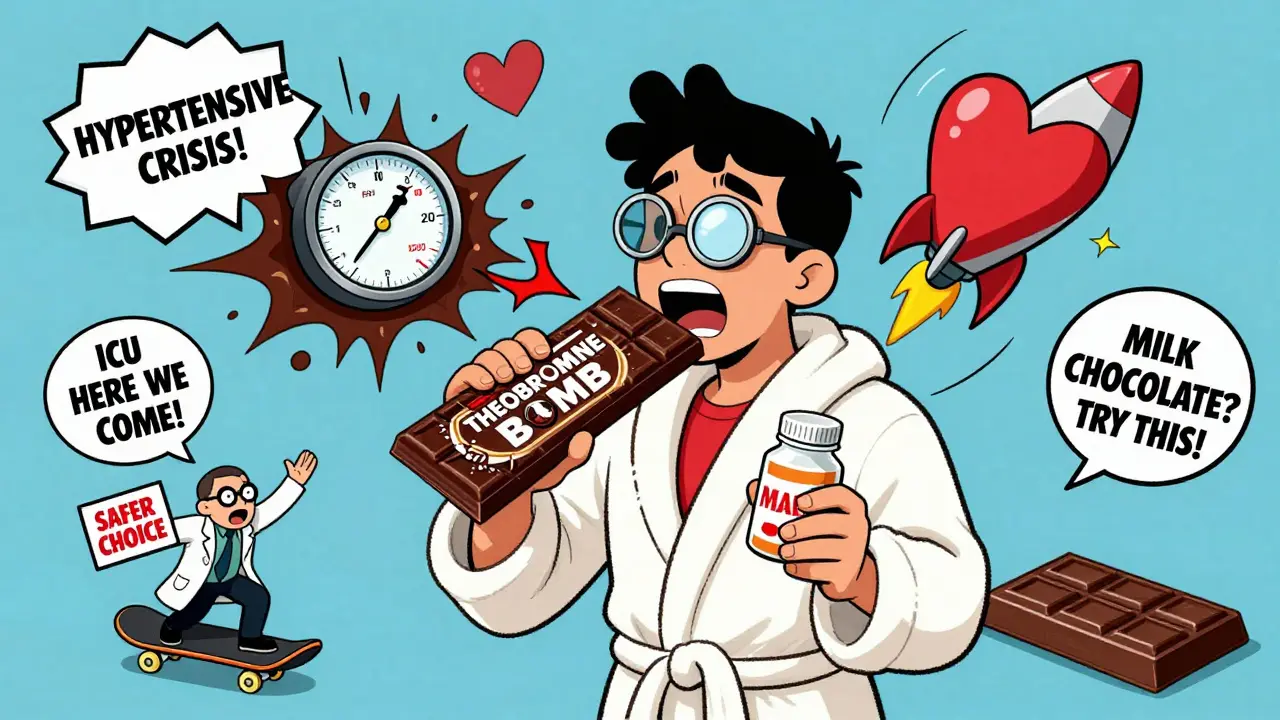
What You Can Do Today
You don’t need to quit coffee, tea, or chocolate. You need to manage them smarter.- Thyroid meds: Take with water. Wait 60 minutes before drinking coffee.
- Antidepressants: Avoid coffee within 2 hours of taking fluvoxamine, clozapine, or other CYP1A2-metabolized drugs.
- Chemotherapy: Limit green tea to one cup a day, steeped under two minutes. Avoid tea entirely on treatment days if advised.
- Blood pressure meds: Separate coffee by at least two hours.
- MAOIs: Avoid dark chocolate entirely. Milk chocolate is safer, but still check with your doctor.
- Pain meds: Coffee can help - it’s fine with acetaminophen or aspirin.
Pharmacists Are Now Screening for This
A 2025 CVS Health study showed that adding beverage interaction checks to pharmacy intake reduced adverse events by 37% across 12,000 patients. Today, 78% of U.S. pharmacies include warnings on prescription labels about coffee, tea, or chocolate interactions - up from 42% in 2020. The American Pharmacists Association now recommends using the CYP1A2 Interaction Checker app, which cross-references your meds with 12 beverage compounds and gives personalized timing advice. Some clinics even offer genetic testing to see how fast you metabolize caffeine - a game-changer for people on high-risk drugs.It’s Not About Fear - It’s About Control
This isn’t about giving up your favorite drinks. It’s about knowing how to use them safely. Millions of people take thyroid meds, antidepressants, or blood pressure pills and still enjoy coffee - they just don’t drink it right after their pill. The $1.2 billion in annual healthcare costs from beverage-drug interactions? Most of it is preventable. You don’t need a PhD to avoid these traps. Just ask your pharmacist: "Does my medication interact with coffee, tea, or chocolate?" And write down their answer. Your health isn’t just about the pills you take. It’s about the habits around them. Make those habits work for you - not against you.Can I drink tea while taking levothyroxine?
No - tea, including black and green tea, can interfere with levothyroxine absorption just like coffee. Wait at least 60 minutes after taking your thyroid medication before drinking any tea. Water is the only safe option to take with your pill.
Is decaf coffee safe with medications?
Decaf coffee still contains 5-15mg of caffeine per cup - enough to affect some medications, especially those metabolized by CYP1A2 like fluvoxamine or clozapine. If you’re on a high-risk drug, treat decaf like regular coffee and wait 60-120 minutes after taking your pill. It’s not risk-free.
Does chocolate interact with diabetes medications?
Yes - not because of theobromine, but because of sugar. Milk chocolate and sweetened cocoa products can spike blood glucose, making drugs like glimepiride or metformin less effective. Even dark chocolate has some sugar. If you have diabetes, check labels and limit portions. Sugar-free chocolate isn’t always safe either - some use sugar alcohols that can cause digestive issues.
Can caffeine make my anxiety medication less effective?
Caffeine doesn’t reduce the level of anxiety meds like sertraline or escitalopram in your blood. But it can worsen side effects like jitteriness, rapid heartbeat, and insomnia - which feel like your medication isn’t working. If you’re on anxiety meds, limit coffee to one cup in the morning and avoid it after noon.
Are there any medications that are safe with coffee?
Yes. Caffeine actually enhances the pain-relieving effects of acetaminophen and aspirin, which is why many OTC painkillers include it. It’s also generally safe with statins, most antibiotics, and birth control pills. But always check - some antibiotics like ciprofloxacin can have dangerous interactions with caffeine.
What should I do if I’ve been drinking coffee with my meds for years?
Don’t panic. Stop combining them immediately and schedule a blood test if you’re on thyroid, blood pressure, or psychiatric meds. Your doctor can check levels and adjust your dose if needed. Many people see big improvements in their symptoms within weeks of separating coffee from their pills.

Comments
Charles Barry
December 22, 2025 AT 06:11 AMThis is all just Big Pharma's way to sell you more tests and apps. They don't want you to know that coffee is nature's perfect stimulant and your body knows how to handle it. The '55% absorption drop' is from a study funded by a thyroid drug maker. Wake up. They're monetizing your fear. I stopped taking my meds for a week and drank coffee with them - my energy went through the roof. Coincidence? I think not. 🤡
Rosemary O'Shea
December 23, 2025 AT 15:19 PMOh darling, how quaint. You think a 2023 study is groundbreaking? In my circles, we’ve known this since the 90s when my neurologist in London made me stop drinking Earl Grey with my SSRIs. The real scandal? That pharmacies still don’t have color-coded labels for beverage interactions. I paid £800 for a personalized tea-and-medication harmony consultation. Worth every penny. You’re not living - you’re just metabolizing.
Nader Bsyouni
December 24, 2025 AT 12:30 PMSo coffee blocks absorption so you need to wait 60 minutes but decaf still has 5-15mg so you wait 120 but then what about matcha which has L-theanine which might actually help with CYP1A2 inhibition but then again maybe not because theobromine in chocolate might upregulate P-gp which then affects warfarin but then again maybe your gut microbiome determines everything so why are we even talking about this like it matters if the system is rigged anyway
Cara Hritz
December 25, 2025 AT 22:41 PMwait so if i drink tea with my thyroid med its bad but what if i just drink it 2 hours after? does that mean i can still have my afternoon cup? also i think u meant to say 'bortezomib' not 'bortezomib' lol
Art Van Gelder
December 26, 2025 AT 09:13 AMLet me tell you something about the human body - it’s not a machine you can calibrate with timers and apps. I’ve been on levothyroxine for 17 years. I drink coffee at 7am, take my pill at 7:05, and have lived a full life - traveled to 47 countries, raised two kids, started a business. The study says 55% absorption drop? Maybe. But what about the 45% that gets through? What about the placebo effect of believing you’re doing everything right? What about the joy of ritual? The smell of coffee, the warmth of the cup, the quiet moment before the day begins? You can’t measure that in percentages. Maybe the real problem isn’t the coffee - it’s the fear we’ve been sold about our own bodies.
Kathryn Weymouth
December 28, 2025 AT 01:21 AMThank you for this meticulously researched post. I’ve been on fluvoxamine for five years and never realized coffee was lowering my levels by 31%. I switched to herbal tea in the morning and my mood has stabilized significantly. I also started using the CYP1A2 Interaction Checker app - it flagged my daily green tea with my statin, which I didn’t know was a risk. Small changes, big results. If you’re on any psychiatric or cardiac med, please, talk to your pharmacist. They’re the unsung heroes of medication safety.
Julie Chavassieux
December 28, 2025 AT 20:30 PMSo… chocolate… is now a weapon? And tea? And coffee? What’s next? Breathing is illegal? I just took my blood pressure meds and ate a Snickers. If I die, I hope they put ‘died doing what she loved’ on my tombstone. 💀🍫☕
Herman Rousseau
December 29, 2025 AT 03:05 AMHey everyone - I’m a pharmacist and I see this every day. You don’t need to quit your coffee, tea, or chocolate. Just space it out. Take meds with water. Wait 60 minutes. That’s it. Your body will thank you. And if you’re stressed about it? Breathe. You’re doing better than you think. 🙌
Vikrant Sura
December 30, 2025 AT 13:04 PMInteresting. But where are the sources for the 2025 studies? Links? Or is this just another listicle with fake dates to look smart?
Ajay Brahmandam
January 1, 2026 AT 11:20 AMMan, I used to drink green tea with my blood pressure pills every morning. After reading this, I switched to water and waited an hour. My BP dropped 10 points in two weeks. No joke. Also, I started using a timer app - now I don’t even think about it. Just water, then coffee later. Simple. Life’s better when you don’t fight your own body.
jenny guachamboza
January 1, 2026 AT 16:44 PMTHEY’RE HIDING THE TRUTH!! 🤫☕🍫 The FDA knows coffee and chocolate are mind-control tools used by the Illuminati to keep us docile while they inject us with lithium through our tea! That’s why they say wait 60 minutes - it’s the time it takes for the satellite to sync with your thyroid! I saw it on TikTok! #FreeTheCaffeine #ChocolateIsASpy
Aliyu Sani
January 2, 2026 AT 22:37 PMSo we’re talking about pharmacokinetics, yes? But in Nigeria, we drink strong tea with our antihypertensives because that’s how it’s always been. My uncle took carvedilol with ginger tea for 12 years - still alive, still working. Maybe the problem isn’t the drink - maybe it’s the Western obsession with control. We don’t need apps. We need trust. In our bodies. In our traditions. In our tea.
Gabriella da Silva Mendes
January 3, 2026 AT 23:40 PMSo now even chocolate is a national security threat? In America we have the right to eat dark chocolate while taking MAOIs if we want to. This is just another example of medical overreach. I’m not a lab rat. I’m an American. And I will drink my coffee with my pills if I damn well please. #FreedomToSip #NoMorePharmacistDictatorship
Jim Brown
January 5, 2026 AT 05:58 AMThe metaphysical implications of this discourse are profound. We have, in the modern age, transformed the sacred rituals of morning tea and chocolate into pharmacological variables to be optimized, quantified, and regulated. The cup of coffee - once a vessel of contemplation, of communion - is now a variable in a metabolic equation. We have lost not only the autonomy of the body, but the poetry of its rhythms. One may ask: Is the reduction of TSH levels worth the erasure of the dawn’s quiet ritual? Or is the pursuit of biochemical perfection, in fact, the ultimate form of spiritual surrender?