
Drug Safety Risk Calculator
Emergency Medication Risk Assessment
Based on article statistics: 37% of ER errors involve medication issues. This tool calculates your risk level using critical safety factors.
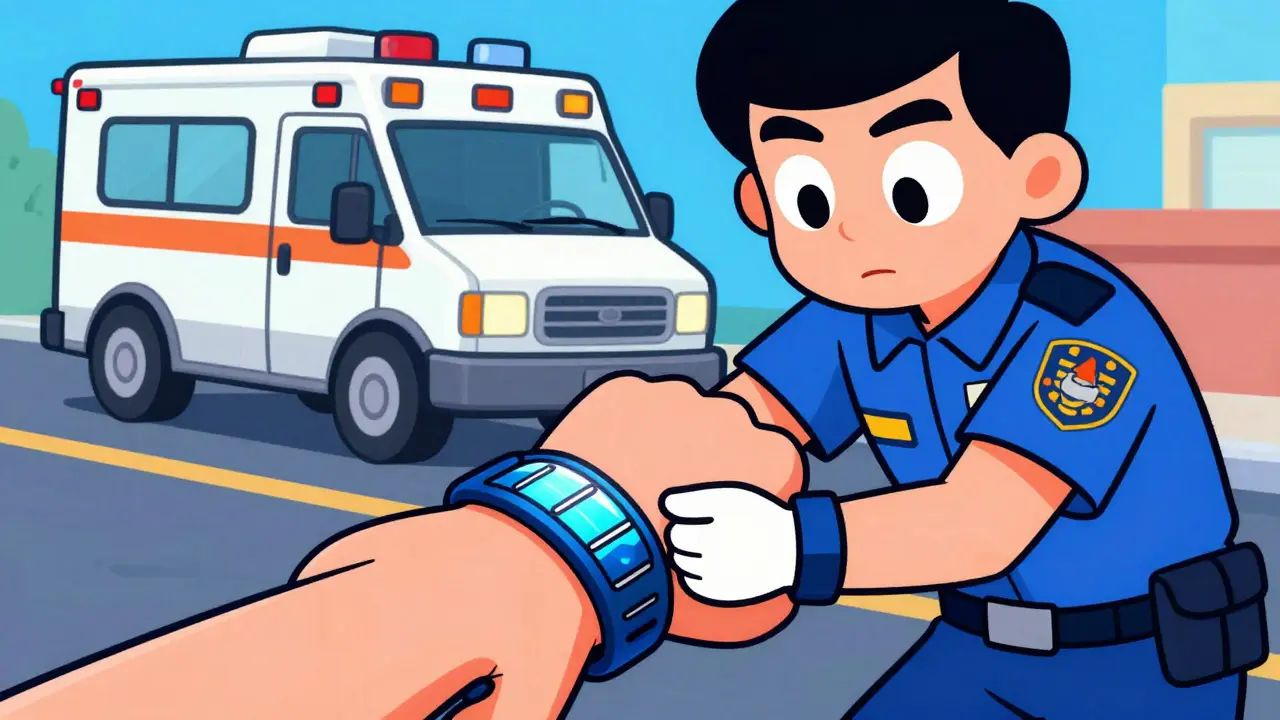
Medical Alert Bracelets are simple devices that could save your life during a medical emergency. When you're unable to communicate, these bracelets tell first responders critical health information instantly. A 2022 study found 37% of ER errors involve medication issues. That's why they matter so much for drug safety.
What Are Medical Alert Bracelets?
Medical Alert Bracelets were invented by the MedicAlert Foundation in 1956. These aren't just jewelry-they're lifesaving tools engraved with your medical details. First responders are trained to check wrists and necks for them during emergencies. The American College of Emergency Physicians (ACEP) confirms this. Today, over 4 million people worldwide wear them, including traditional metal versions and modern QR code bracelets that link to digital health profiles.
Why They Matter for Drug Safety
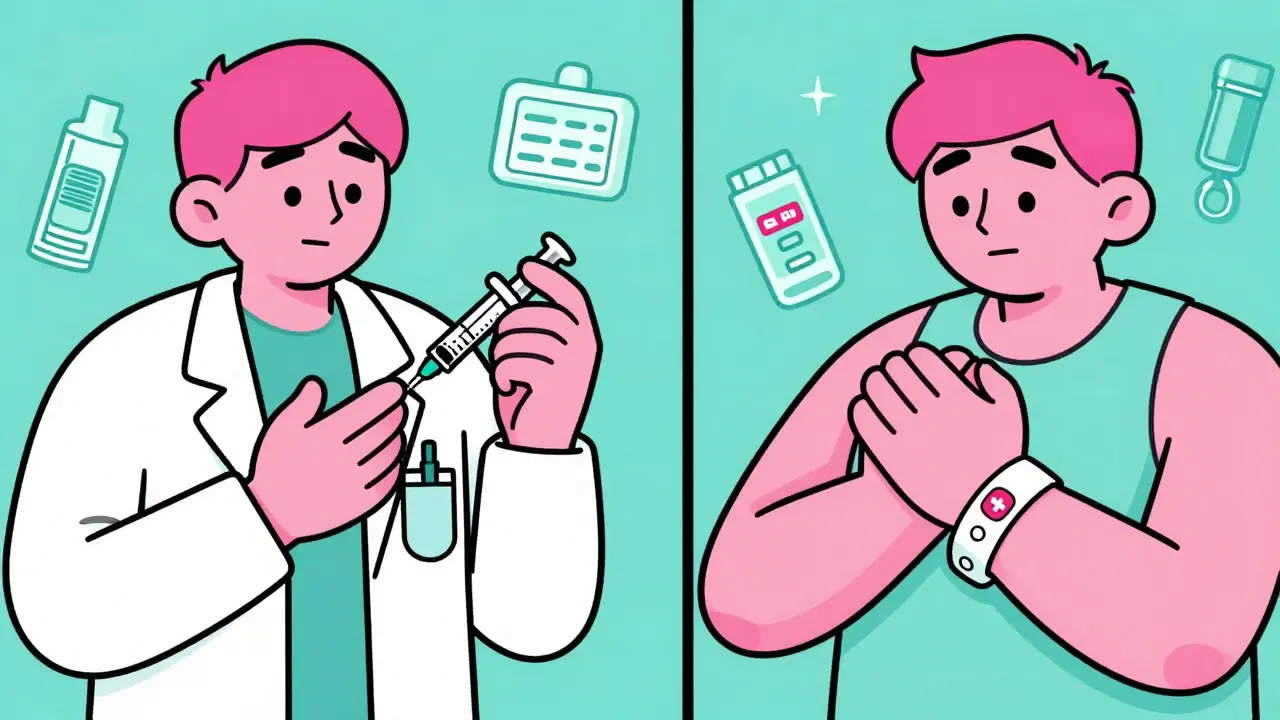
Imagine you're in an accident and can't speak. Doctors might give you a drug that harms you. For example, Warfarin users (2.9 million Americans) need special care during trauma. Giving them the wrong blood thinner could be fatal. Similarly, Penicillin Allergy affects 10% of the U.S. population. If you're allergic and get penicillin, it could cause anaphylaxis. Medical alert bracelets prevent these mistakes by showing critical info in seconds. ACEP says drug allergies and current medications top their priority list for first responders.
What Information Should You Include?
Not all details fit on a bracelet. Prioritize what matters most. ACEP guidelines say: 1) Drug allergies (like penicillin or latex), 2) Critical medications (blood thinners, insulin), 3) Chronic conditions (diabetes type). For blood thinners, specify the name-"warfarin" not just "on blood thinners." MedicAlert Foundation found 42% of bracelet orders include blood thinner info. Diabetics should state "Type 1 insulin-dependent" or "Type 2"-this affects glucose or insulin treatment. Traditional bracelets fit 3-5 items. QR code versions store unlimited data.
| Feature | Traditional Bracelet | QR Code Bracelet |
|---|---|---|
| Information Capacity | 3-5 critical items | Unlimited digital data |
| Update Method | Re-engraving required | Online profile updates |
| Cost | $49.99+ (one-time) | $69.99+ + $59.99 annual fee |
| Emergency Access | Direct engraving reading | Scanner needed for QR code |
Real Stories: How They Save Lives
Reddit user 'AllergicAmy' shared a 2022 emergency where her bracelet listing 'ANAPHYLACTIC TO PENICILLIN' prevented doctors from giving her penicillin during an appendicitis surgery. She wrote: 'The ER nurse told me they were about to give me penicillin before noticing my bracelet-I'd have died within minutes.' MedicAlert Foundation reports 63% of customers buy bracelets for drug safety reasons. Trustpilot reviews show 4.7/5 stars from 1,247 users. One blood thinner user said, 'My bracelet made them double-check my meds-no mistakes this time.' But issues exist: 12% of users complain about engraving space limits. One user noted, 'My bracelet only said 'ON BLOOD THINNERS' but not which one, so they still did extra tests.'
Keeping Your Info Up-to-Date
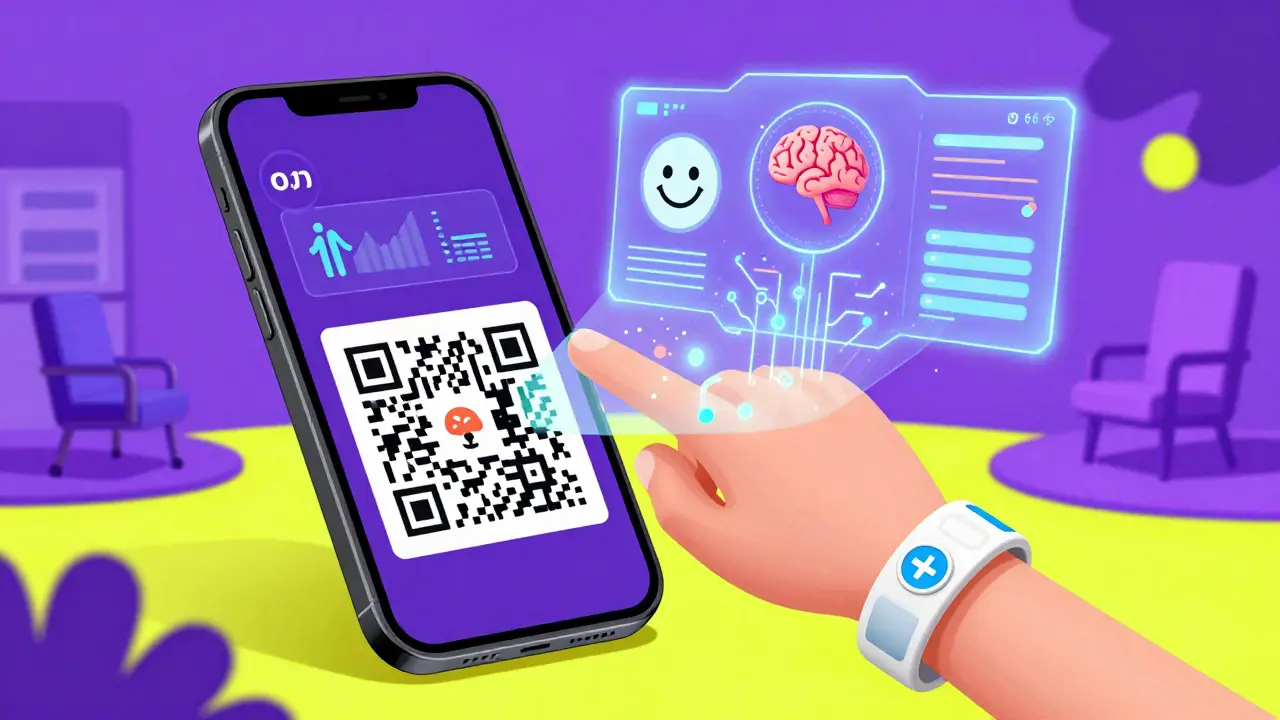
Outdated info can be dangerous. The American Pharmacists Association says 35% of users forget to update bracelets after medication changes. If you start a new drug, update your bracelet immediately. Set calendar reminders for medication reviews. MedicAlert Foundation launched SmartProfile in 2024, which syncs with pharmacy databases to auto-update medication lists. For QR code bracelets, log in to your profile whenever your meds change. FDA now requires standardized formatting for drug info on bracelets to improve first responder recognition.
The Future of Medical Alert Bracelets
The global medical ID market hit $287 million in 2023 and is growing at 6.2% yearly. MedicAlert Foundation holds 65% of the U.S. market. New tech is emerging: Epic Systems and Cerner are creating API connections to sync bracelets with hospital records. This will automatically update your medical ID when prescriptions change. Medical Guardian's 2025 system uses AI to check for medication conflicts and alerts you via smartphone. The FDA is standardizing bracelet formats to ensure consistency. Johns Hopkins predicts these improvements could reduce medication errors by 35% in emergencies.
What info should be on a medical alert bracelet?
Prioritize drug allergies (e.g., 'PENICILLIN ALLERGIC'), critical medications (e.g., 'WARFARIN 5MG'), and chronic conditions (e.g., 'TYPE 1 DIABETIC'). Avoid vague terms like 'on blood thinners'-specify the drug name. Traditional bracelets fit 3-5 items; QR code versions store full lists. The American College of Emergency Physicians recommends this order: allergies first, then medications, then conditions.
Do QR code bracelets work better than traditional ones?
Yes, for most people. QR code bracelets store unlimited data and auto-update via apps. Traditional bracelets only fit 3-5 items and require re-engraving for changes. However, QR codes need a scanner to read-some rural areas may lack scanners. For reliability, many experts recommend carrying both: a traditional bracelet for immediate info and a QR code for full details. MedicAlert Foundation reports 78% of blood thinner users prefer QR code systems for this reason.
How often should I update my bracelet?
Update immediately after any medication change. Set a monthly reminder to check your details. The American Pharmacists Association found 35% of users don't update their bracelets after new prescriptions. Smart systems like MedicAlert Foundation's SmartProfile sync with pharmacies to auto-update. For traditional bracelets, schedule engraving updates every 6 months if you take multiple meds.
Can first responders read QR code bracelets?
Yes, but it depends. Most ERs and ambulances have QR scanners. The FDA 2023 initiative standardized QR formats for first responders. However, some rural areas might not have scanners. Always wear a traditional bracelet too for immediate info. GoodRx data shows first responders correctly use QR code info in 89% of cases where it's present. For safety, ensure your QR code links to a simple, readable profile.
Are medical alert bracelets covered by insurance?
Usually not. Most insurance plans don't cover medical ID bracelets. However, some Medicare Advantage plans or Medicaid waivers might help if you have chronic conditions like diabetes or blood disorders. MedicAlert Foundation offers financial aid for low-income users. Check with your provider-some states require coverage for specific high-risk conditions. For most people, bracelets cost $50-$100 upfront, which is far cheaper than ER mistakes.

Comments
Bella Cullen
February 5, 2026 AT 10:16 AMI've heard about these, but honestly, I'm too lazy to get one. They seem like a hassle for something I don't think I need.
Cullen Bausman
February 5, 2026 AT 13:29 PMAs Americans we should all have these Its common sense The government should mandate them Its a basic right to have your health information accessible
Danielle Vila
February 5, 2026 AT 17:53 PMOh no you don't! You're part of the problem. These bracelets are a lifeline! Your laziness could kill someone. Think about it-what if you were in an accident and couldn't speak? QR codes are the future, not some lazy excuse. You need to wake up!
Thorben Westerhuys
February 6, 2026 AT 03:56 AMOh my goodness! I can't believe how important this is! My sister almost died because she didn't have one! It's so crucial! You need to get one immediately! Why wouldn't you? It's life-saving! I'm so emotional about this!
Laissa Peixoto
February 8, 2026 AT 01:59 AMMedical alert bracelets are fascinating because they address a systemic issue in emergency care. The statistic about 37% of ER errors involving medication is alarming, but it's not just about having the bracelet-it's about how the information is presented. For instance, specifying 'warfarin' instead of 'on blood thinners' makes a huge difference. I've researched this extensively, and the key is clarity. Also, the QR code versions have potential, but they require infrastructure. In rural areas without scanners, traditional bracelets are more reliable. The real issue is standardization across hospitals. Without it, even a perfect bracelet might not help. It's a complex problem, but simple solutions like these can save lives if implemented correctly. We need to push for better integration with healthcare systems. Otherwise, we're just putting band-aids on a broken system. The future of medical IDs should involve seamless data sharing, not just static engravings. This is a step in the right direction, but there's more work to do.
Diana Phe
February 8, 2026 AT 03:20 AMThis is all a ploy by Big Pharma to sell more bracelets. They want you to think you need them, but really, they're just making money. Don't fall for it! The government is in cahoots with them. It's all a scam.
Dr. Sara Harowitz
February 9, 2026 AT 13:54 PMAs a medical professional, I can tell you this is critical! You need to have one! If you don't, you're putting yourself at risk! It's not optional! Stop ignoring this! It's life-saving!
Joyce cuypers
February 11, 2026 AT 03:44 AMThis is so important! I got my bracelet last year and it's been a lifesaver! But I misspelled 'diabetic' on mine-oops! Make sure to check your spelling! It's easy to do but so crucial!
Carol Woulfe
February 13, 2026 AT 01:00 AMWhile these bracelets are useful, the QR code versions are a bit too mainstream. True safety comes from having a physical engraving with all details. QR codes can be hacked, you know. Only the elite know this. Most people are too naive to see the dangers.
Kieran Griffiths
February 13, 2026 AT 05:59 AMHey, if you're on blood thinners, this is a must. I've had a few close calls, and my bracelet saved the day. Just make sure to keep it updated. Simple as that. QR codes are fine if you have a scanner.
Tehya Wilson
February 14, 2026 AT 13:27 PMMedical alert bracelets are indeed essential. However, the data presented lacks context. 37% of ER errors involving meds-compared to what? Without a baseline, this is misleading. Also, the QR code infrastructure isn't universal. It's a flawed system.
Brendan Ferguson
February 14, 2026 AT 21:13 PMI've researched this a lot. The key is to include specific drug names. Vague terms like 'on blood thinners' aren't helpful. Always specify warfarin or apixaban. It makes a huge difference. Also, update your info regularly. Don't just assume it's covered.
jan civil
February 16, 2026 AT 04:25 AMQR code bracelets need scanners; traditional ones are better for rural areas.
Gregory Rodriguez
February 18, 2026 AT 02:57 AMOh yeah, because nothing says 'I care about your safety' like a $70 bracelet. Let's all go buy one and thank the corporations for their generosity. /s
Jenna Elliott
February 19, 2026 AT 23:08 PMThis is why America is falling behind. Other countries have mandatory medical IDs. We need to enforce this. No excuses. If you don't have one, you're a danger to yourself.