
Health Guides: Easy Tips for Meds, Supplements & Wellness
Welcome to the health hub where you get straight‑forward advice on medicines, supplements, and common health concerns. No jargon, just what you need to know to make smart choices and feel better fast.
Make Smart Choices with Medications
First things first – know why a drug is prescribed and how it works in your body. If you’re looking at antibiotics like Ofloxacin or Bactrim, check the infection type, dosage schedule, and any resistance warnings. When you shop online, stick to licensed pharmacies, verify the pharmacist’s credentials, and compare prices before you buy. Scams often hide behind deals that seem too good to be true.
Side‑effects are another key piece. For drugs such as Metoprolol or Bisoprolol, keep an eye on sudden dizziness, low heart rate, or breathing changes. Write down any new symptoms and talk to your doctor right away. If you need to stop a medication, follow a tapering plan – a sudden quit can cause more harm than good.
Supplements and Everyday Wellness
Supplements like prebiotics and melatonin can boost energy and sleep, but they’re not magic pills. Prebiotics feed good gut bacteria, helping you fight fatigue. Take them with fiber‑rich foods for best results. Melatonin works best when you set a regular bedtime, dim the lights an hour before sleep, and avoid caffeine late in the day.
When you buy supplements, treat them like any other medication. Look for third‑party testing labels, read the ingredient list carefully, and avoid products that promise unrealistic results. A reliable online shop will show batch numbers and have clear return policies.
Beyond pills, simple lifestyle tweaks make a huge difference. Stay hydrated, move a little each day, and keep stress in check with short breathing exercises. These habits work hand‑in‑hand with any treatment plan you follow.
If you’re dealing with a specific condition – say, high cholesterol, hair loss, or prostate health – we have focused guides on drugs like Zetia, Rogaine, and Avodart. Each article explains who benefits most, common side‑effects, and what to discuss with your doctor.
Finally, remember that reliable information is power. Use the resources on this site to compare options, ask the right questions, and stay on top of updates in the medical world. Your health journey is personal, and the right knowledge makes it smoother.
Got a question about a medication or supplement? Drop a comment or start a new search. We’re here to keep you informed, safe, and feeling your best.
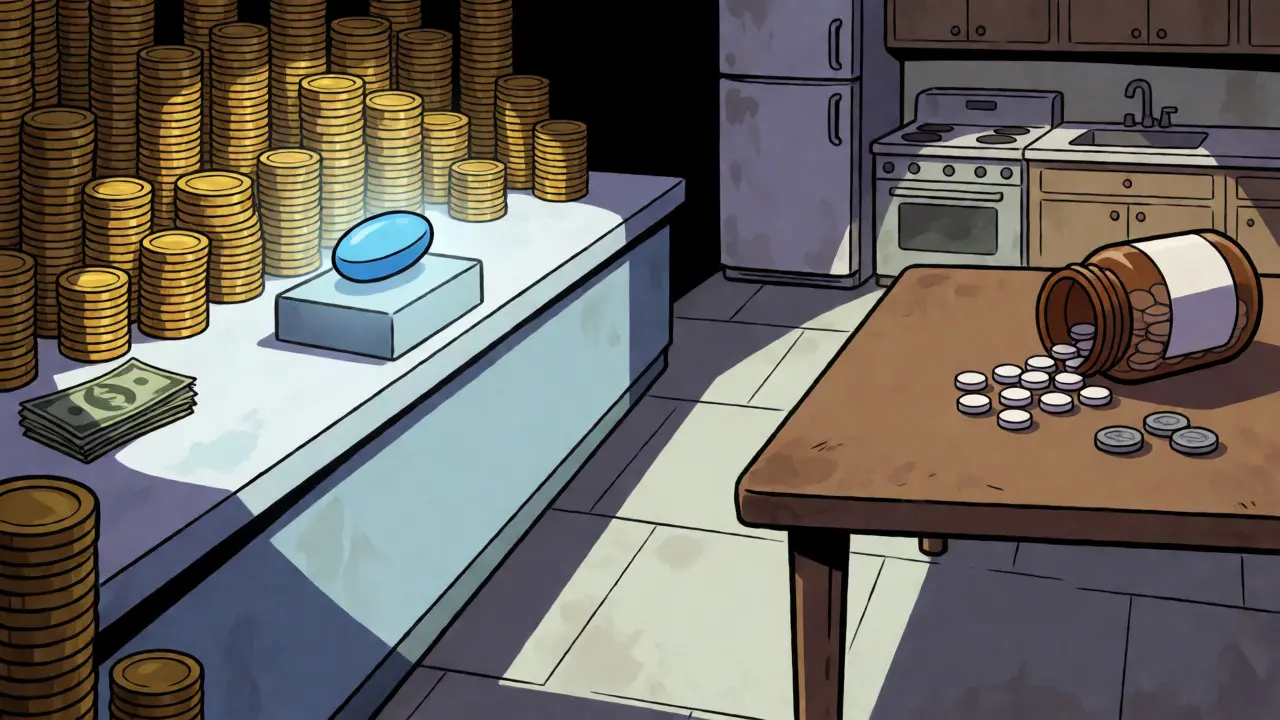
Buy Online Cheap Generic Levitra: Best Vendors & Prices in 2026
Discover how to buy online cheap generic Levitra (vardenafil) in 2026. Compare prices from GoodRx, telehealth apps, and Canadian pharmacies to save up to 90%.
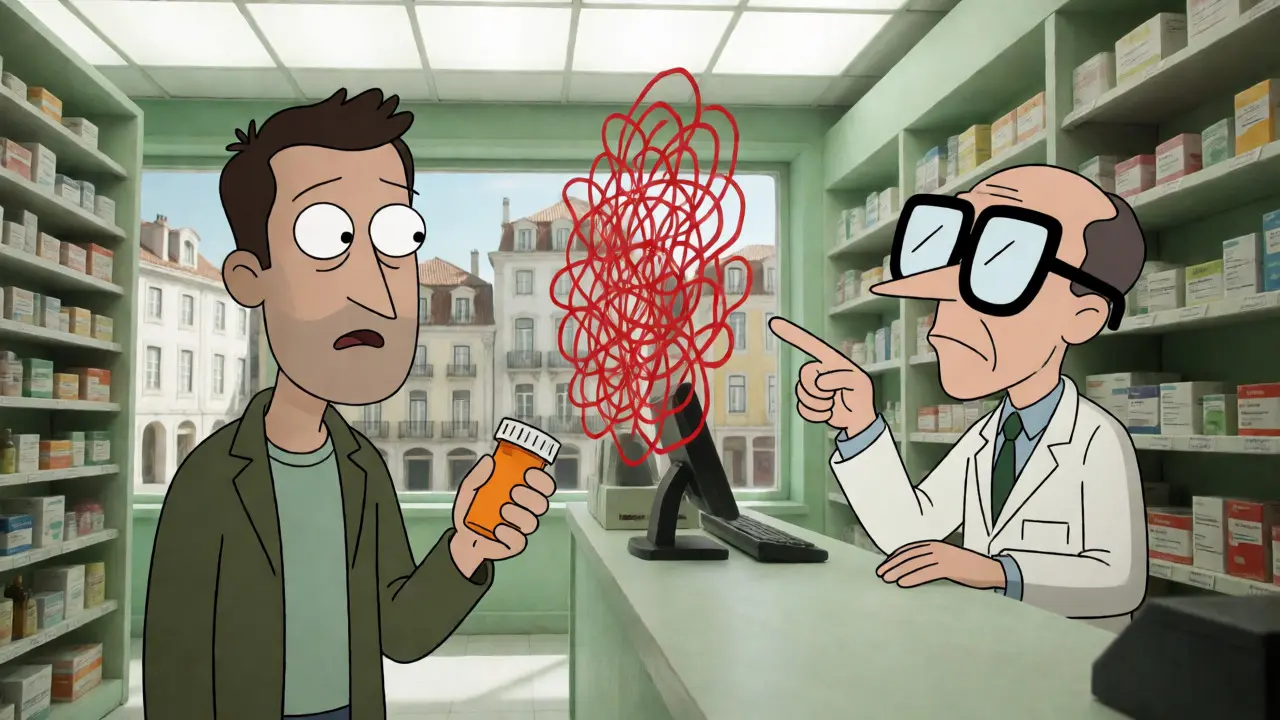
How to Handle Prescription Transfers Between Countries: A Traveler's Guide
Learn how to handle prescription transfers between countries. Discover why direct transfers rarely work, how to navigate EU vs. US rules, and get a step-by-step guide for managing medications while traveling or moving abroad.

How to Access FDA Medication Guides: A Patient’s Practical Guide
Learn how to access FDA-required Medication Guides for your prescriptions. Discover your rights at the pharmacy, digital options, and upcoming changes to patient labeling.
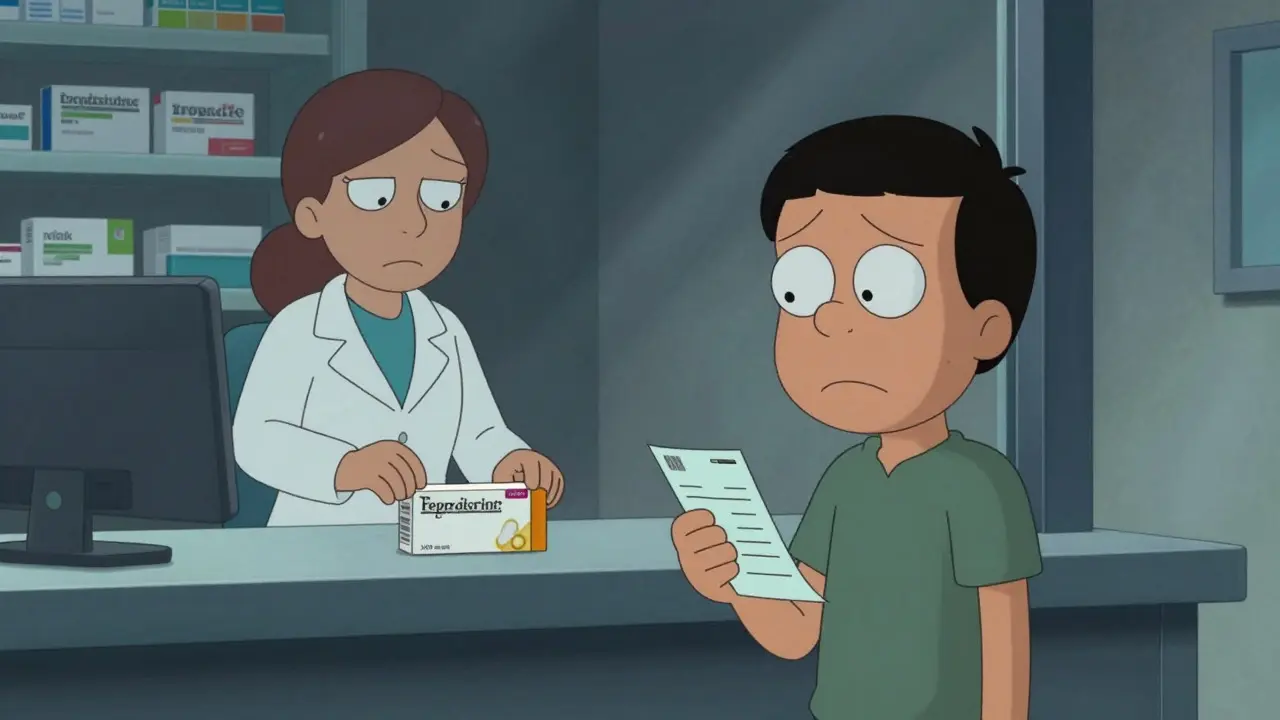
How to Refuse Generic Substitution: Patient Rights & Brand-Name Drug Requests
Learn how to legally refuse generic substitution and request brand-name drugs. We break down state laws, NTI drug risks, and practical steps to protect your medication choice.

Alcohol and Diabetes Medications: Hypoglycemia and Liver Effects
Mixing alcohol with diabetes meds can trigger dangerous hypoglycemia and stress the liver. Learn how to manage blood sugar safely while drinking.

Pulmonary Embolism: Recognizing Sudden Shortness of Breath and Modern Diagnosis
Learn to recognize the signs of pulmonary embolism, such as sudden shortness of breath, and understand the modern diagnostic steps including D-dimer tests and CTPA scans.

ACE Inhibitors vs ARBs: Safety, Interactions & Cross-Reactivity Guide
Learn why ACE inhibitors and ARBs are rarely combined. This guide covers side effects, cross-reactivity, and the latest safety data for hypertension and kidney care.
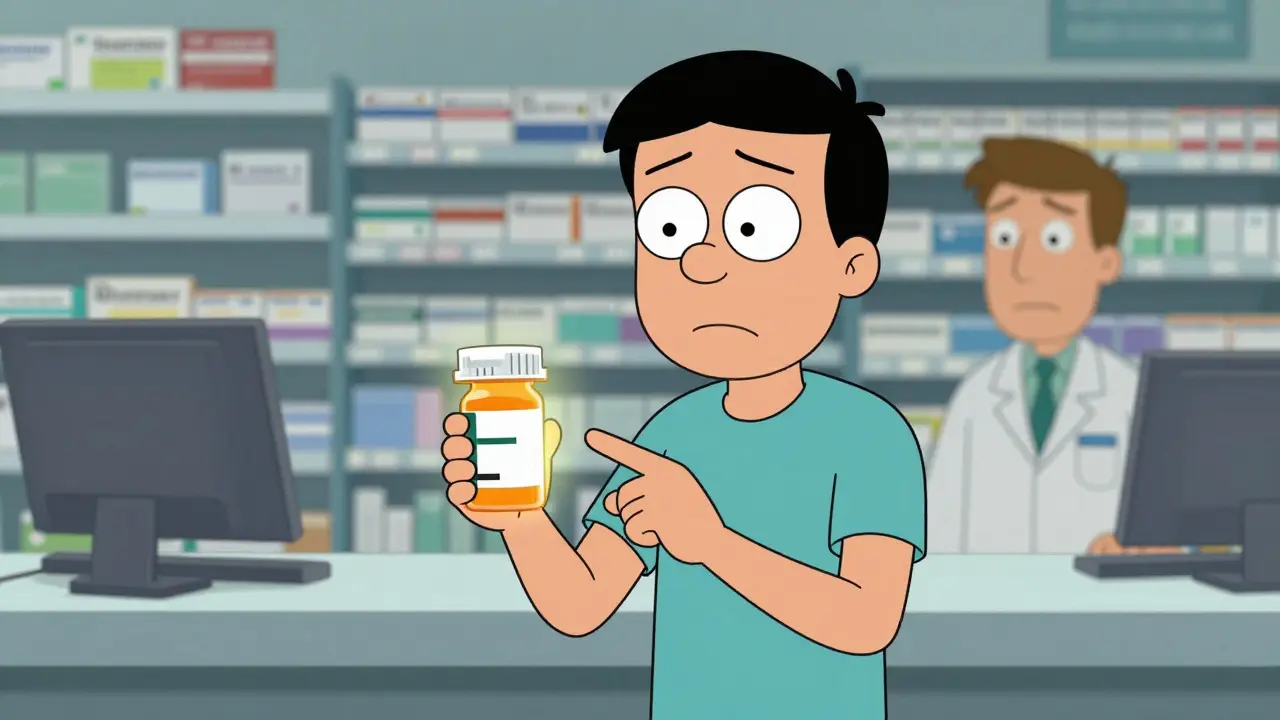
Questions to Ask About Your Prescription Label at the Pharmacy
Learn the essential questions to ask about your prescription label to prevent medication errors. From decoding abbreviations to checking storage needs, this guide helps you verify every detail before leaving the pharmacy.

Medication Anaphylaxis Emergency Response: Step-by-Step Guide
Learn the critical emergency response steps for medication-induced anaphylaxis. From recognizing subtle symptoms to administering epinephrine correctly, this guide saves lives.

Alcohol and Sleep: Why Your Nightcap Causes Fragmentation, Apnea, and Brain Fog
Discover how alcohol disrupts sleep architecture, worsens apnea, and causes next-day cognitive decline. Learn why your nightcap is hurting your health.
Chronic Hepatitis C: How Curative Antivirals Protect Your Liver
Discover how direct-acting antivirals cure chronic Hepatitis C in 8-12 weeks with >95% success. Learn about liver protection, reversing fibrosis, and overcoming access barriers.

How and Where to Buy Dilantin Online: A Safe Guide for 2026
Learn how to buy Dilantin online safely in 2026. Compare prices from Amazon, Blink Health, and GoodRx. Find out where to get cheap phenytoin with free shipping.