
Category: Health - Page 2
Economic Impact of Patent Expiration: When Drug Prices Drop
When pharmaceutical patents expire, drug prices can drop by up to 82% as generics enter the market. But delays from rebates, formularies, and patent thickets often block savings. Here’s how it really works-and what you can do to save.
Medications with a Narrow Therapeutic Index and Expiration Risk: Why Expired Drugs Can Be Dangerous
Expired medications with a narrow therapeutic index can be deadly. Even small changes in potency can cause overdose or treatment failure. Learn which drugs are most dangerous past expiration and what to do.
Generic Drug Quality Standards: What the FDA Requires and How Testing Works
Generic drugs must meet the same FDA standards as brand-name drugs. Learn how bioequivalence testing, cGMP manufacturing rules, and strict approval processes ensure generics are safe, effective, and affordable.
Metformin and Kidney Function: How to Monitor and Adjust Doses Safely
Learn how to safely use metformin with kidney disease. Understand eGFR thresholds, dose adjustments, monitoring schedules, and common myths. Metformin isn't harmful to kidneys - but your kidneys control how it's cleared from your body.
Medication Guides: What They Are and Why You Need Them for Safety
Medication Guides are FDA-mandated safety handouts for high-risk prescription drugs. Learn what's in them, why they matter, and how to use them to avoid serious side effects.
Diabetes Medications for Seniors: How to Prevent Dangerous Low Blood Sugar
Seniors with diabetes face higher risks of dangerous low blood sugar from common medications like glyburide. Learn which drugs are safest, how to prevent hypoglycemia, and what to do if a loved one has a low sugar episode.
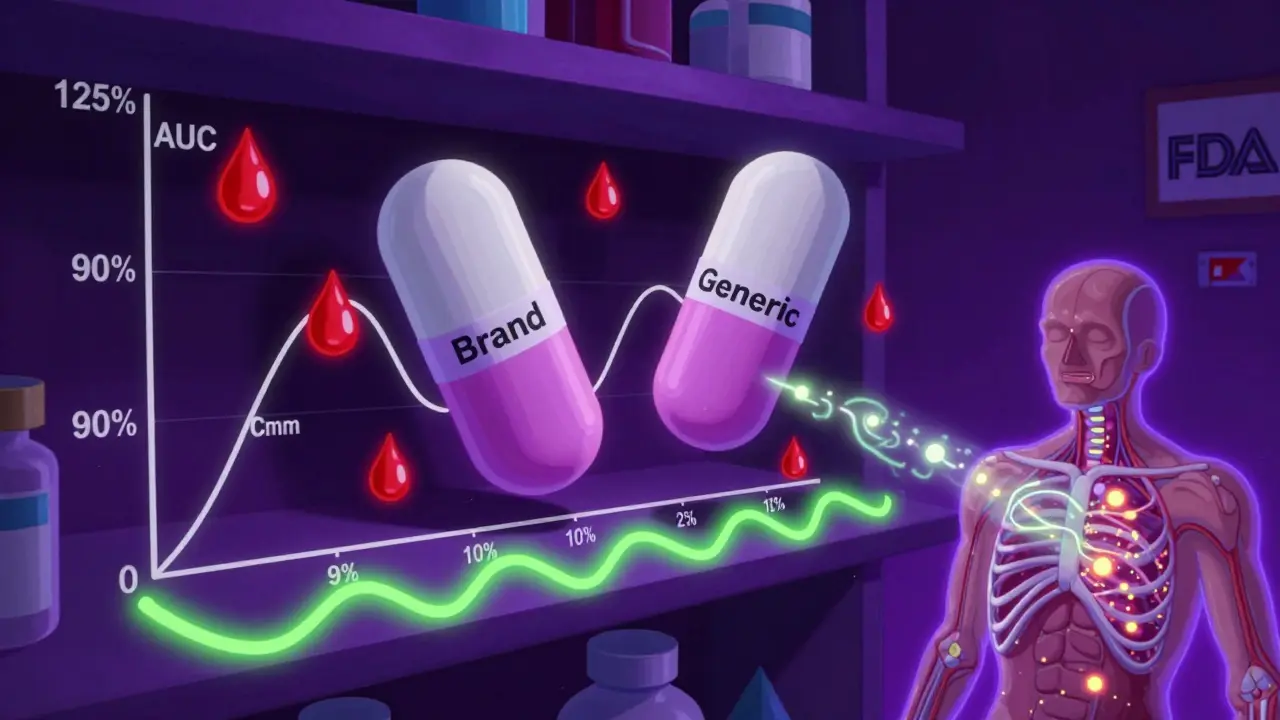
The 80-125% Rule: Understanding Bioequivalence Confidence Intervals in Generic Drugs
The 80-125% rule ensures generic drugs are as safe and effective as brand-name versions by measuring how much of the drug enters your bloodstream. It's based on statistical confidence intervals, not pill content.
Lupus Arthritis and Hydroxychloroquine: How This Medication Reduces Joint Inflammation and Prevents Flares
Hydroxychloroquine is the cornerstone treatment for lupus arthritis, reducing joint inflammation, preventing flares, and protecting against heart disease and organ damage. Learn how it works, why it takes months to help, and what you need to know about safety and dosing.

Soy Products and Levothyroxine: What You Need to Know About Absorption Interference
Soy products can reduce levothyroxine absorption by up to 40%, leading to uncontrolled hypothyroidism. Learn how to time your meals and medication to avoid this common interaction.
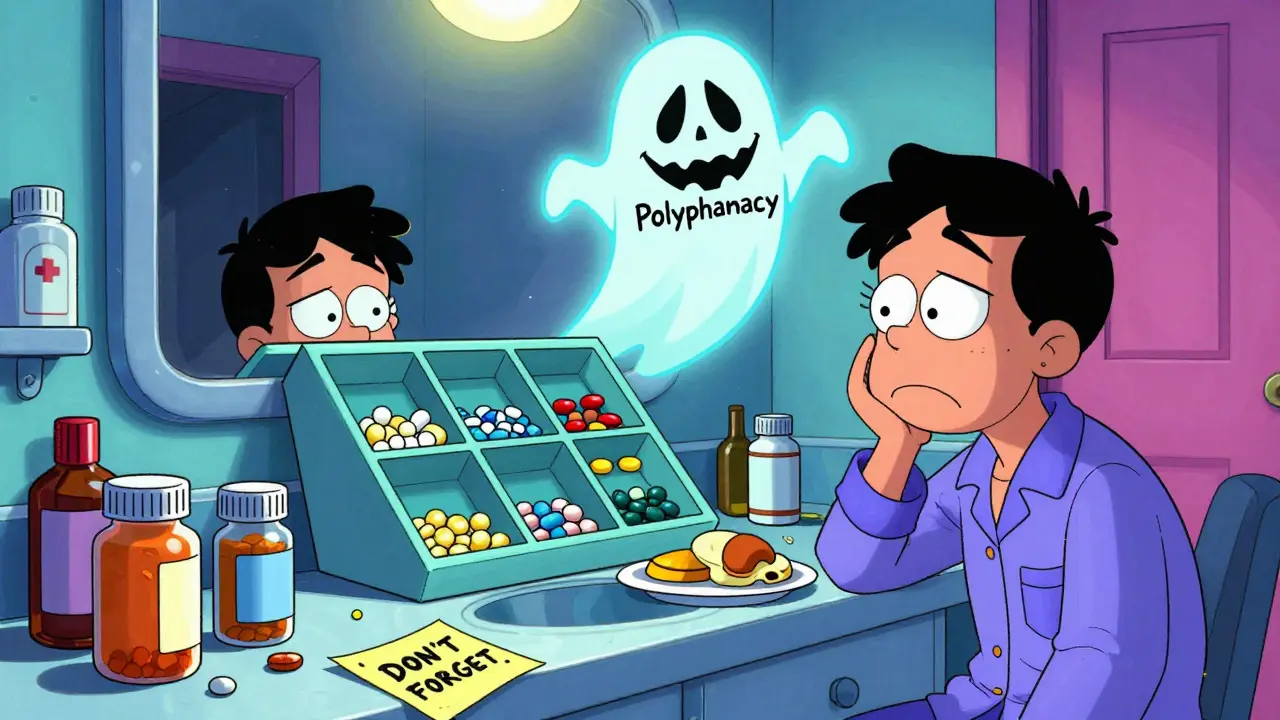
Medication Safety for Chronic Conditions: Practical Long-Term Use Tips
Learn practical tips to stay safe while taking long-term medications for chronic conditions. Avoid dangerous interactions, reduce polypharmacy risks, and improve adherence with simple, proven strategies.

Bone-Conduction Hearing Aids: A Practical Alternative for Hearing Loss
Bone-conduction hearing aids offer a life-changing alternative for people with conductive hearing loss, single-sided deafness, or chronic ear infections. Learn how they work, who benefits most, and what to expect before and after surgery.
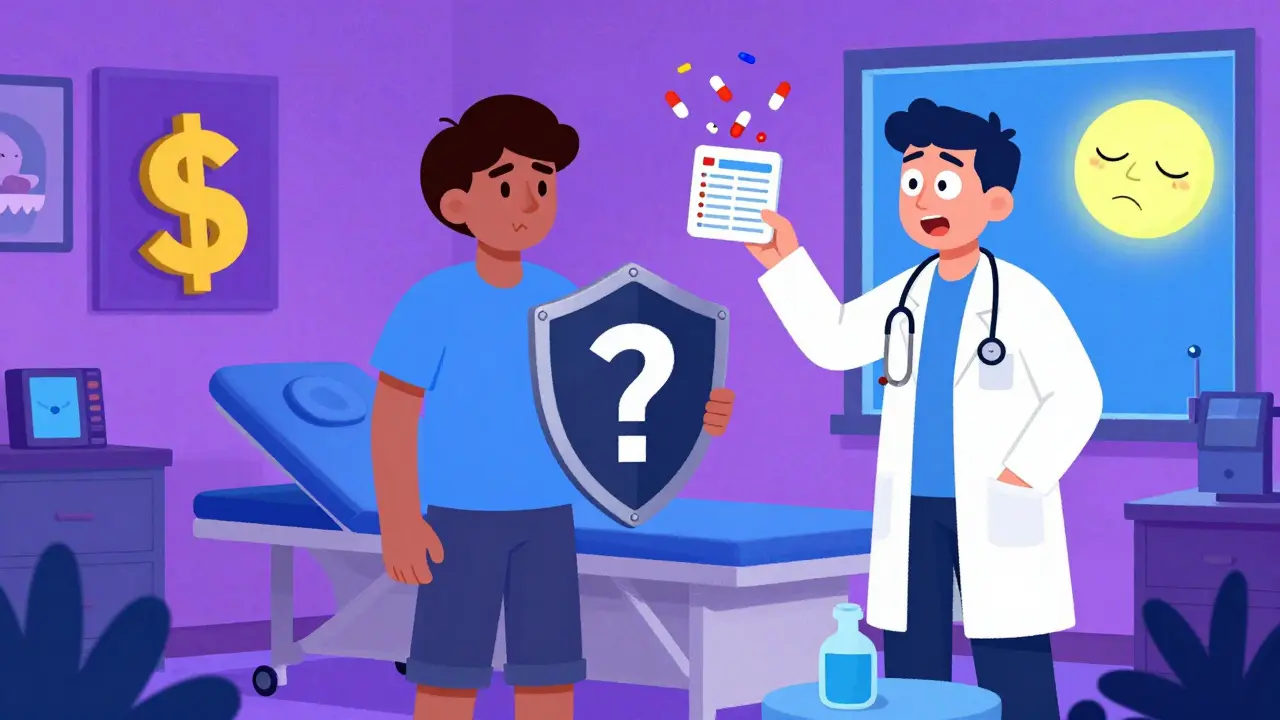
Control and Choice: How Patients Take Charge of Their Medication Decisions
Patients have the right to choose their medications - but too often, that choice is ignored. Learn how to truly take control of your drug decisions, from cost and side effects to alternatives and personal values.