
Health Guides: Easy Tips for Meds, Supplements & Wellness
Welcome to the health hub where you get straight‑forward advice on medicines, supplements, and common health concerns. No jargon, just what you need to know to make smart choices and feel better fast.
Make Smart Choices with Medications
First things first – know why a drug is prescribed and how it works in your body. If you’re looking at antibiotics like Ofloxacin or Bactrim, check the infection type, dosage schedule, and any resistance warnings. When you shop online, stick to licensed pharmacies, verify the pharmacist’s credentials, and compare prices before you buy. Scams often hide behind deals that seem too good to be true.
Side‑effects are another key piece. For drugs such as Metoprolol or Bisoprolol, keep an eye on sudden dizziness, low heart rate, or breathing changes. Write down any new symptoms and talk to your doctor right away. If you need to stop a medication, follow a tapering plan – a sudden quit can cause more harm than good.
Supplements and Everyday Wellness
Supplements like prebiotics and melatonin can boost energy and sleep, but they’re not magic pills. Prebiotics feed good gut bacteria, helping you fight fatigue. Take them with fiber‑rich foods for best results. Melatonin works best when you set a regular bedtime, dim the lights an hour before sleep, and avoid caffeine late in the day.
When you buy supplements, treat them like any other medication. Look for third‑party testing labels, read the ingredient list carefully, and avoid products that promise unrealistic results. A reliable online shop will show batch numbers and have clear return policies.
Beyond pills, simple lifestyle tweaks make a huge difference. Stay hydrated, move a little each day, and keep stress in check with short breathing exercises. These habits work hand‑in‑hand with any treatment plan you follow.
If you’re dealing with a specific condition – say, high cholesterol, hair loss, or prostate health – we have focused guides on drugs like Zetia, Rogaine, and Avodart. Each article explains who benefits most, common side‑effects, and what to discuss with your doctor.
Finally, remember that reliable information is power. Use the resources on this site to compare options, ask the right questions, and stay on top of updates in the medical world. Your health journey is personal, and the right knowledge makes it smoother.
Got a question about a medication or supplement? Drop a comment or start a new search. We’re here to keep you informed, safe, and feeling your best.
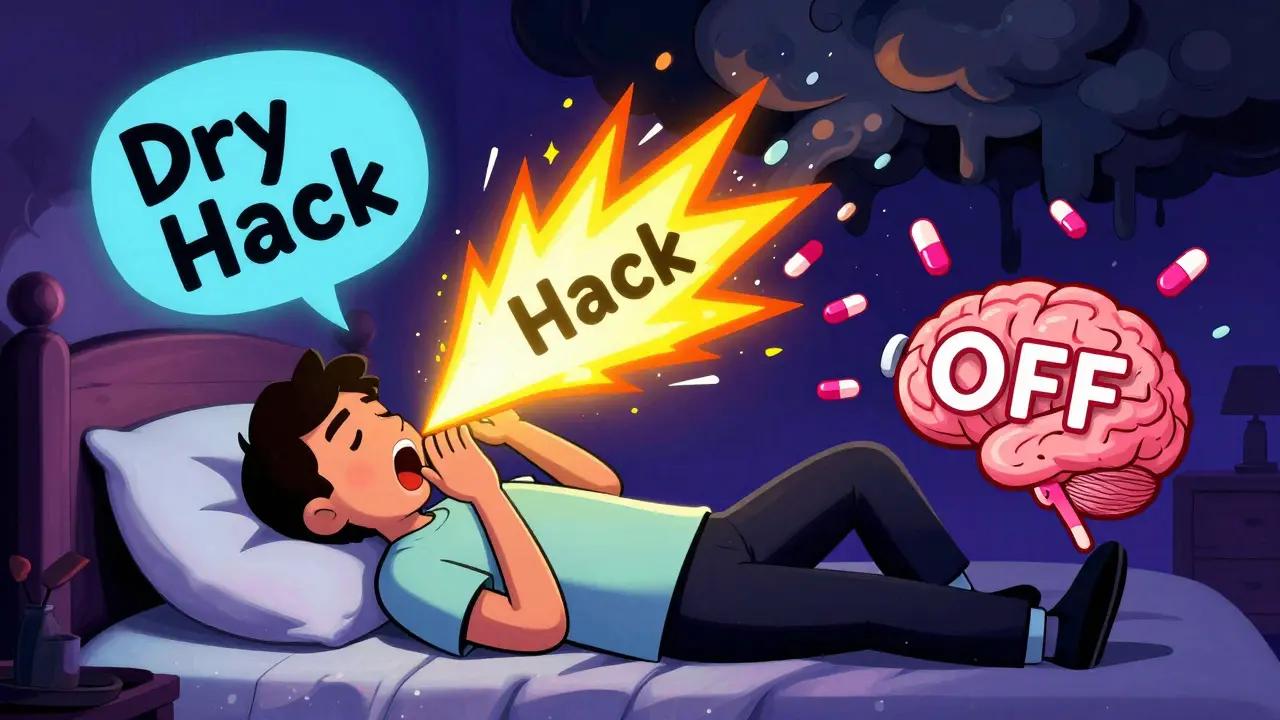
OTC Cough Suppressants vs. Expectorants: Which One Should You Use?
Learn how to choose between OTC cough suppressants and expectorants based on your cough type. Dextromethorphan stops dry coughs; guaifenesin clears mucus. Use the right one-or risk making things worse.
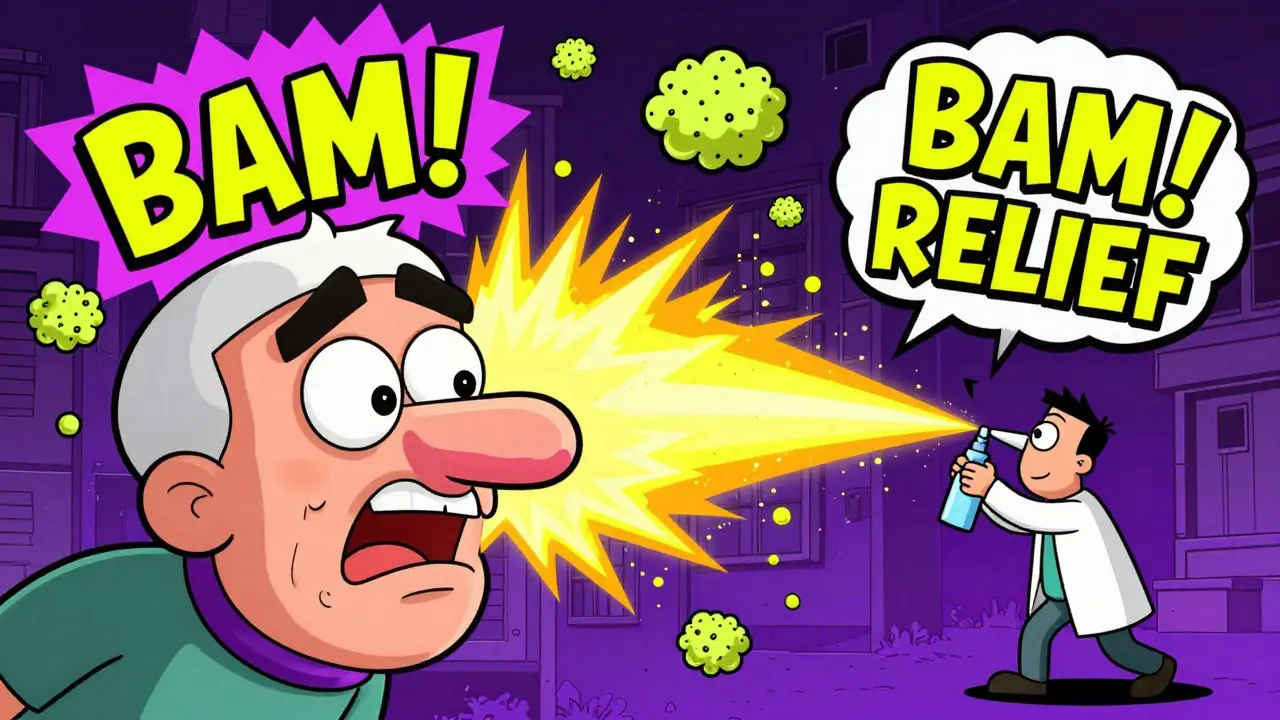
Nasal Antihistamine Sprays: What They Do, How They Work, and What to Expect
Nasal antihistamine sprays like Astepro and Astelin offer fast, targeted relief for runny noses and sneezing. Learn how they work, how they compare to other treatments, and how to use them without the bitter taste or nasal sting.
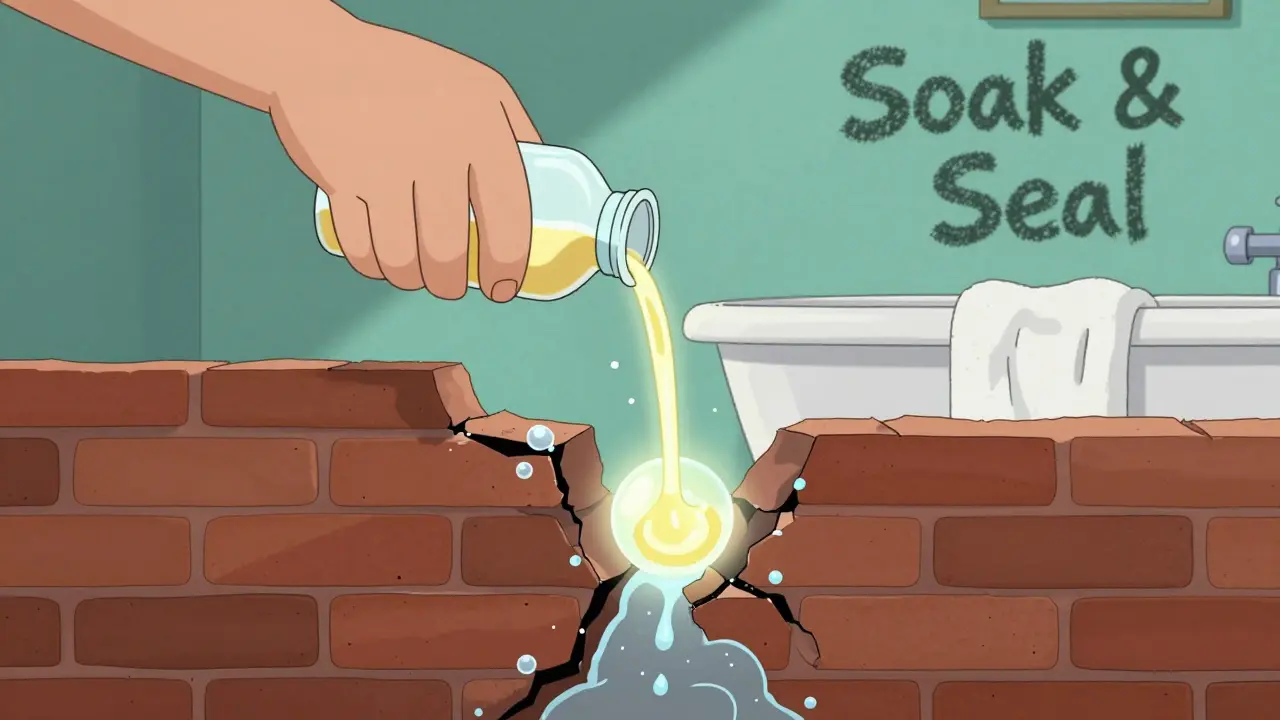
Barrier Repair in Eczema: Ceramides and Bathing Tips That Actually Work
Ceramides and proper bathing can repair the broken skin barrier in eczema. Learn how the right lipid ratio and soak-and-seal technique reduce flares, cut steroid use, and restore skin health-backed by science and real user results.
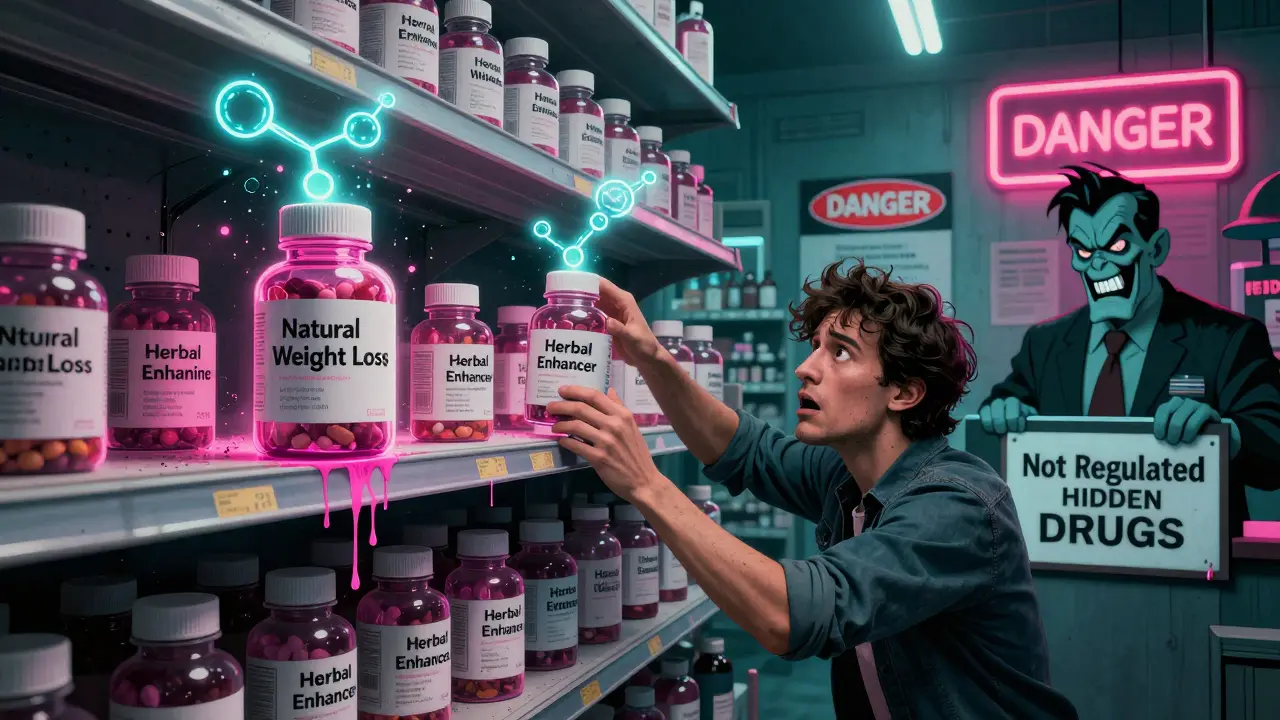
Over-the-Counter Medication Safety: Hidden Ingredients and Interactions You Can't Afford to Ignore
Many OTC medications and supplements contain hidden, dangerous ingredients that can cause serious drug interactions, hospitalizations, and even death. Learn how to protect yourself from unlabeled pharmaceuticals in everyday products.
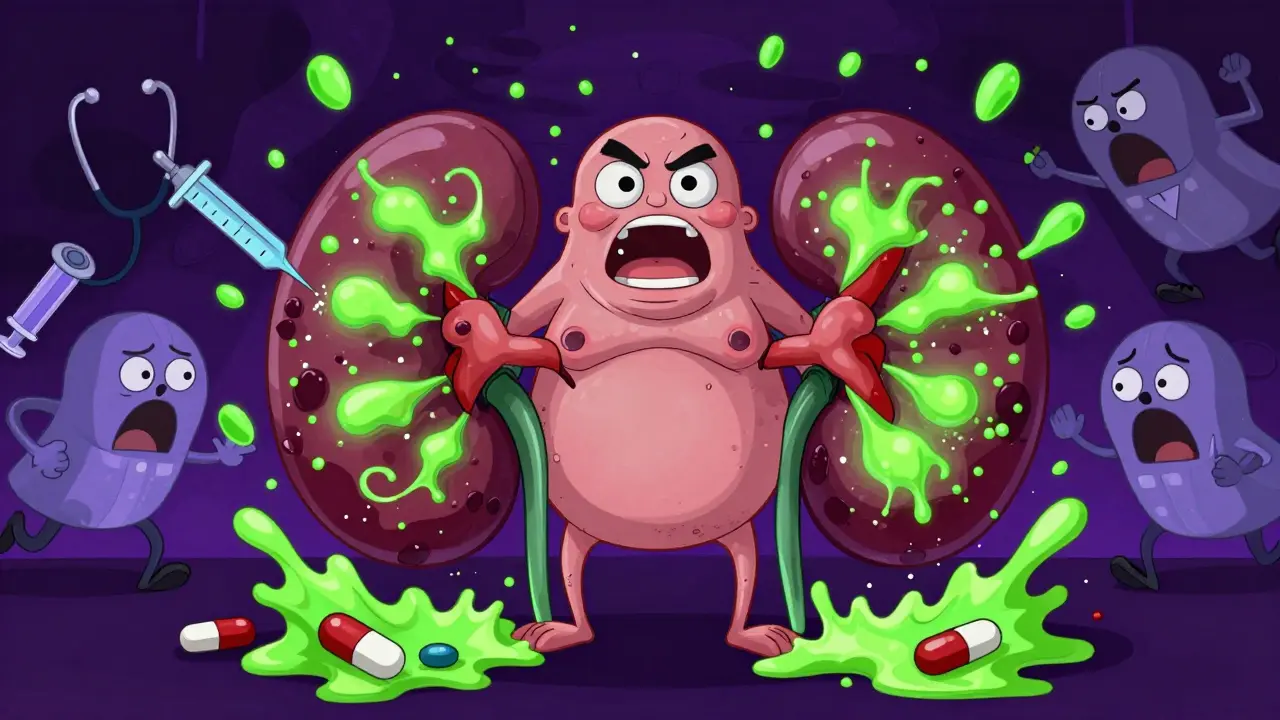
Opioids in Renal Failure: Safer Choices and Dosing Guidelines
In kidney failure, most opioids are dangerous due to toxic metabolites. Fentanyl and buprenorphine are the safest choices with clear dosing guidelines. Avoid morphine, codeine, and meperidine entirely.
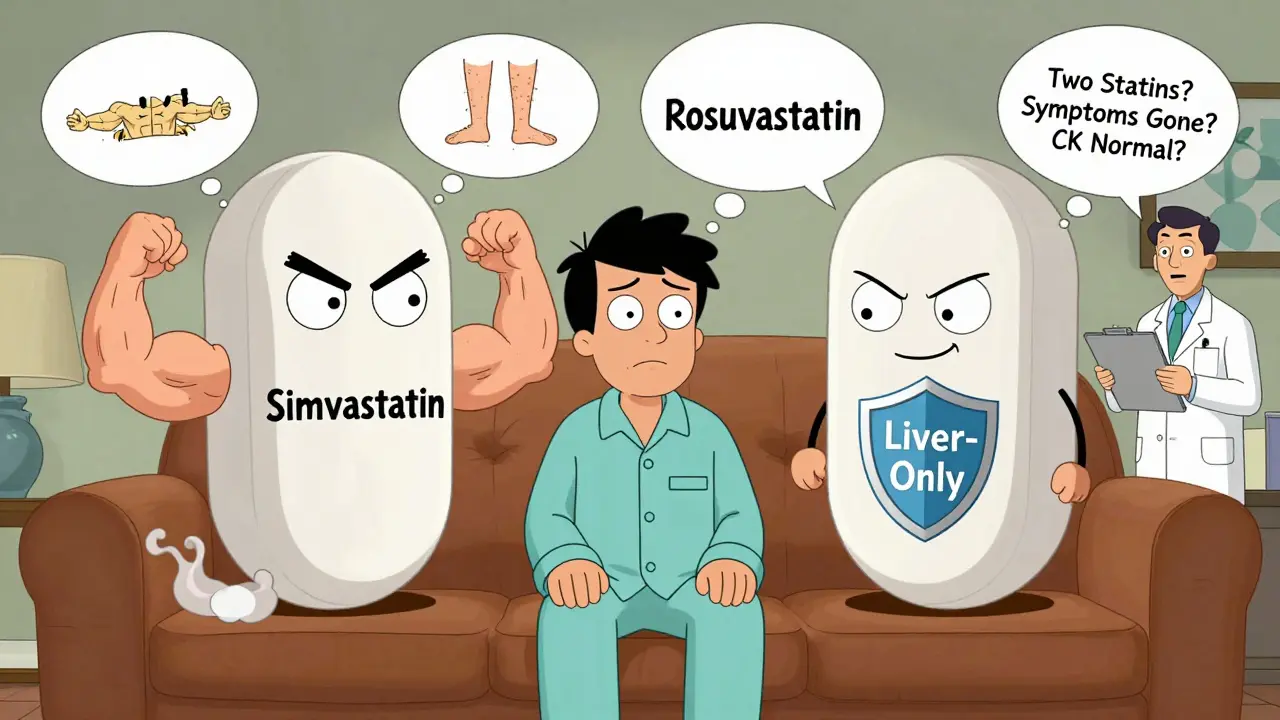
Statin Intolerance: Muscle Symptoms and What to Do When Statins Don’t Work
Statin intolerance causes muscle pain in many people, but most cases aren't truly caused by the drug. Learn how to tell real intolerance from side effects-and what to do next with proven alternatives like ezetimibe, bempedoic acid, and PCSK9 inhibitors.
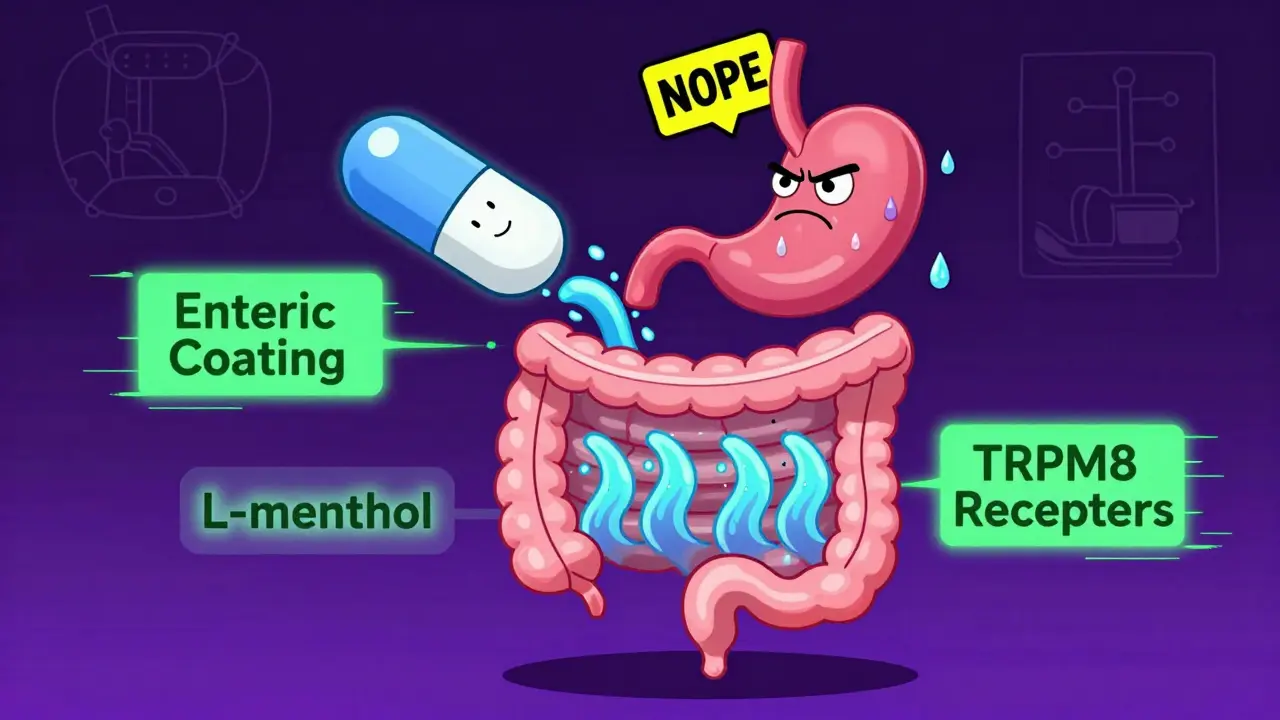
Peppermint Oil for IBS: What the Science Says and How to Use It
Peppermint oil in enteric-coated capsules is a clinically proven, safe, and affordable option for IBS relief. Learn how it works, which brands to choose, how to take it, and who it helps most - backed by research and real-world data.

Bioequivalence for Inhalers, Patches, and Injections: What Generic Drugs Must Prove to Work the Same
Bioequivalence for inhalers, patches, and injections isn't about matching blood levels-it's about ensuring the drug reaches the right place the same way. Learn why these generics are harder to approve, cost millions more, and still save lives.
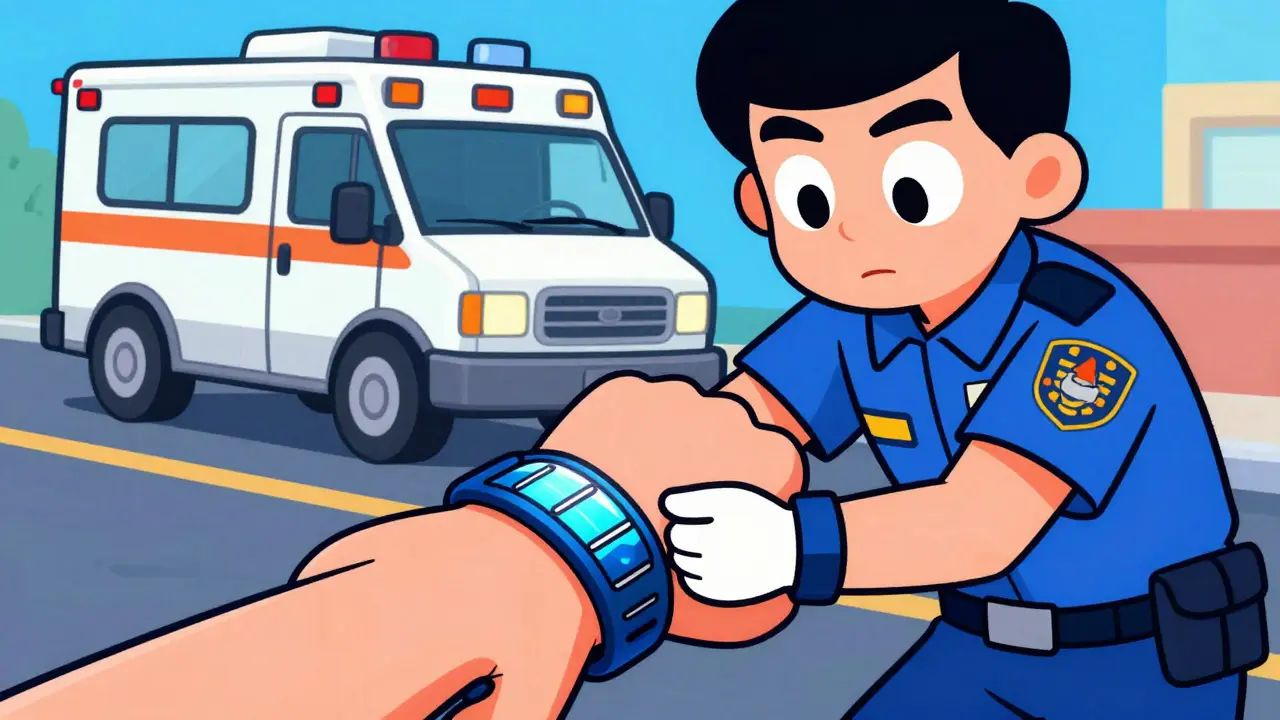
Medical Alert Bracelets: Why They're Essential for Drug Safety in Emergencies
Medical alert bracelets save lives in emergencies by communicating critical health info when you can't speak. They prevent medication errors, especially with blood thinners and allergies. Learn what to engrave, how QR codes work, and real-world examples. Updated standards ensure quick treatment. Essential for drug safety.
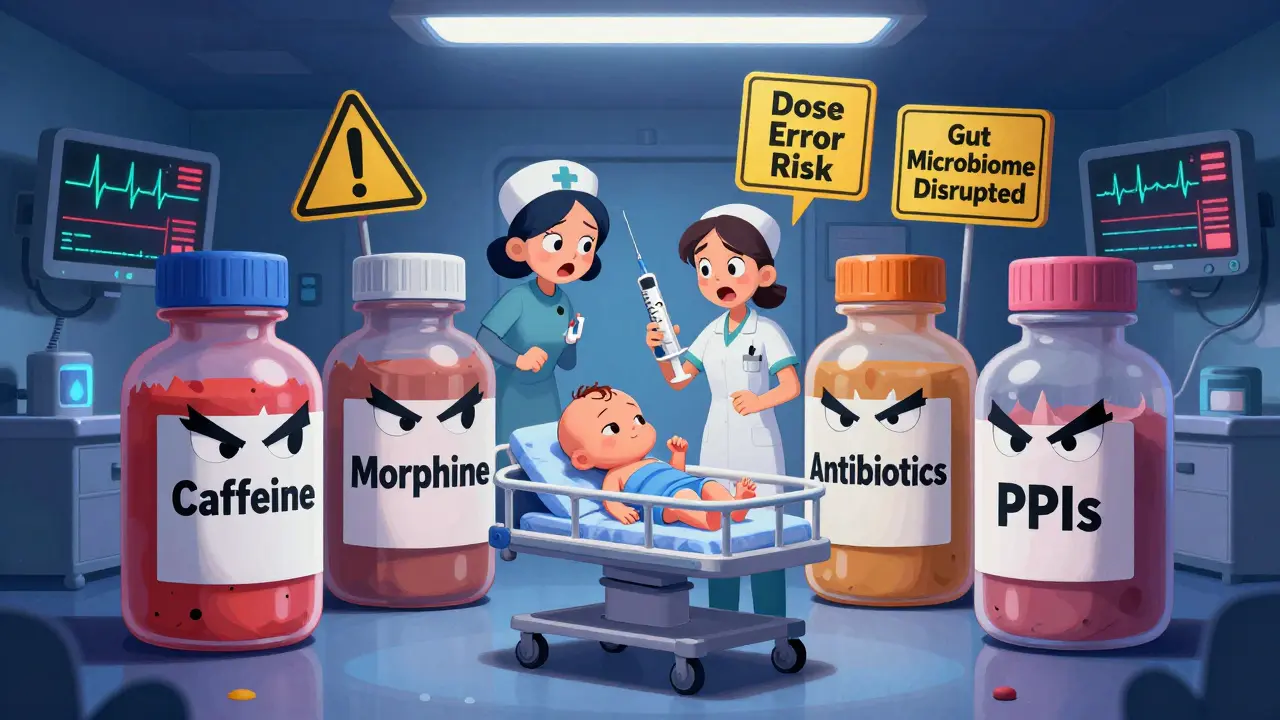
Preterm Infants and Medication Side Effects: What NICU Teams Need to Know
Preterm infants face unique risks from medications due to immature organs and developmental changes. Learn how common NICU drugs like opioids, antibiotics, and anti-reflux meds can cause long-term harm - and what’s being done to make treatment safer.
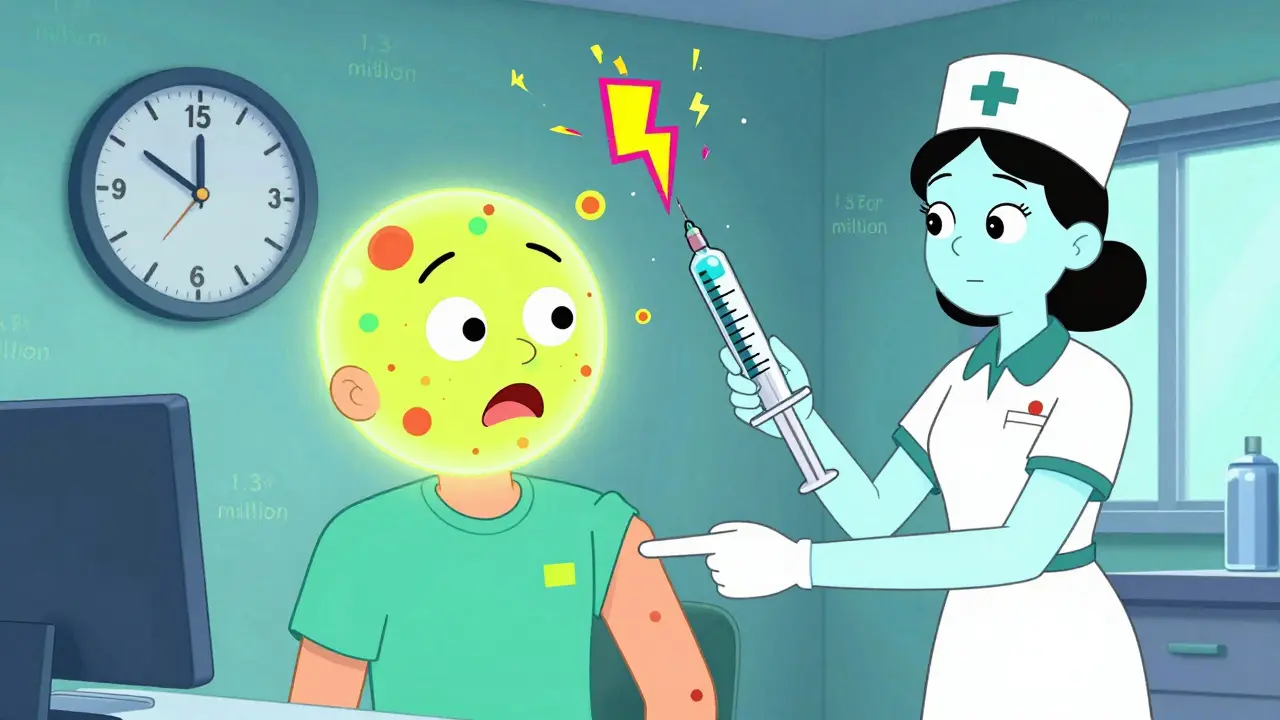
Vaccine Allergic Reactions: Understanding Rare Risks and How Safety Systems Work
Serious allergic reactions to vaccines are extremely rare - about 1 in a million doses. Learn what triggers them, how safety systems catch them, and why vaccination is still safe for almost everyone - even those with allergies.
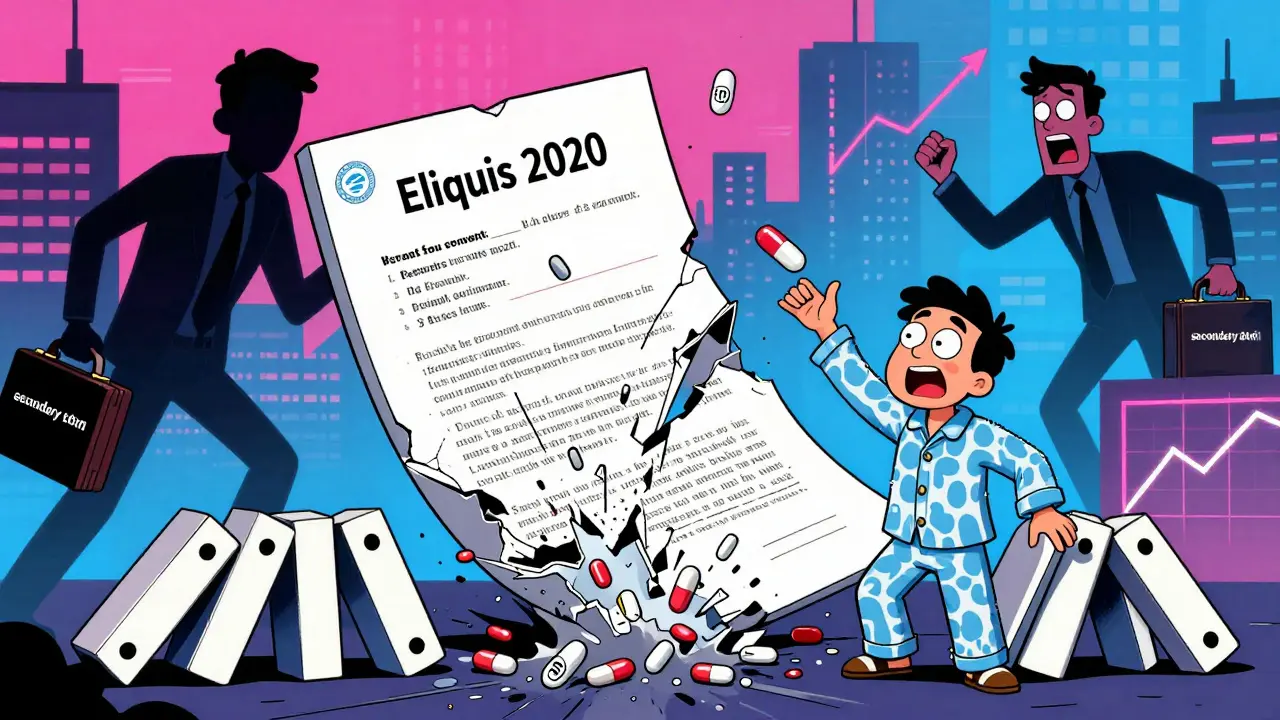
Economic Impact of Patent Expiration: When Drug Prices Drop
When pharmaceutical patents expire, drug prices can drop by up to 82% as generics enter the market. But delays from rebates, formularies, and patent thickets often block savings. Here’s how it really works-and what you can do to save.