
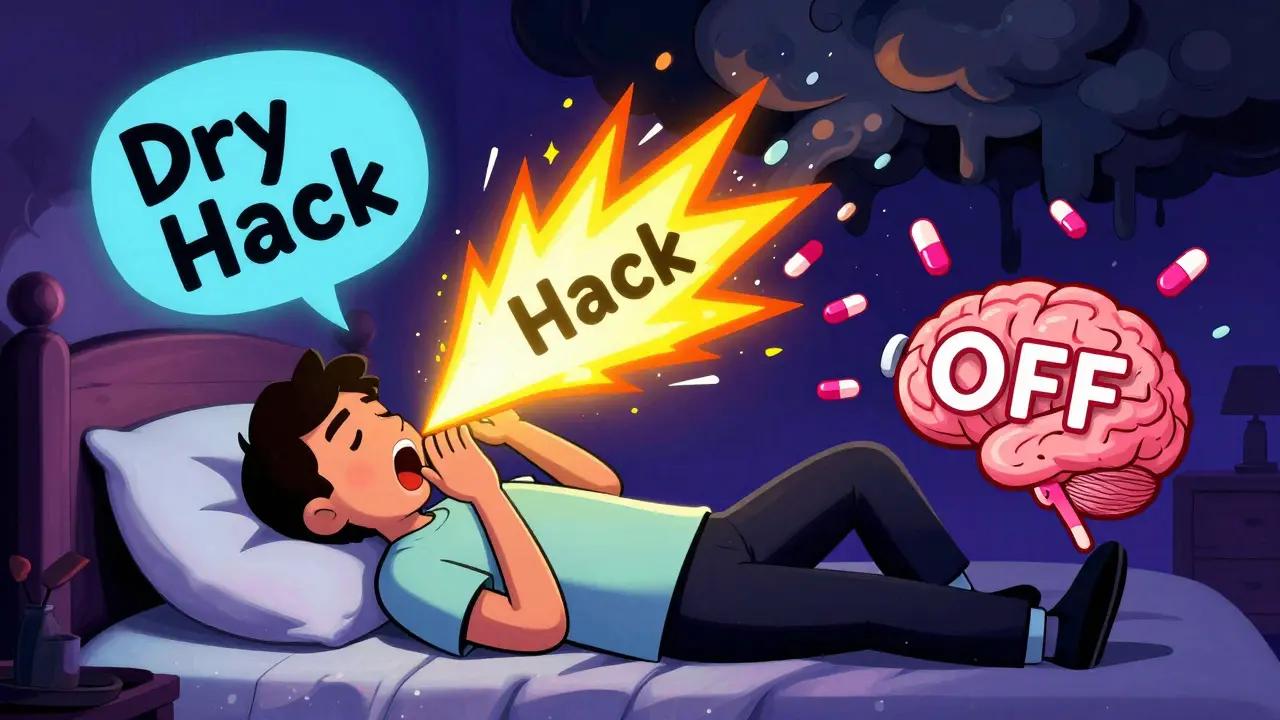
Ever bought a cough medicine, taken it for days, and felt worse instead of better? You’re not alone. Millions of people pick the wrong type of OTC cough medicine because they don’t know the difference between a cough suppressant and an expectorant. And that small mix-up can make your cough last longer, mess with your sleep, or even lead to complications. The truth is, these two types of medicine don’t just work differently-they’re meant for completely different kinds of coughs.
What’s the Difference Between Suppressants and Expectorants?
Think of your cough like a fire alarm. Sometimes it’s going off because there’s smoke (mucus) in your lungs. Other times, it’s just a false alarm-no smoke, just irritation. That’s the core difference.
Cough suppressants silence the alarm. They work on your brain, specifically the part that triggers the cough reflex. The most common one you’ll find on shelves is dextromethorphan a non-narcotic cough suppressant approved by the FDA since the 1950s. It’s in products like Delsym, Robitussin Maximum Strength, and many store brands. It’s designed for dry, hacking coughs-those that don’t bring up mucus and keep you up at night.
Expectorants, on the other hand, don’t silence the alarm. They help your body clear the smoke. The only FDA-approved expectorant ingredient is guaifenesin a mucoactive agent that thins mucus and helps your airways clear it out. You’ll find it in Mucinex, Robitussin Chest Congestion, and other chest congestion formulas. It’s meant for wet, productive coughs-ones where you’re coughing up phlegm.
How Do They Actually Work?
Dextromethorphan doesn’t numb your throat or stop irritation. It blocks signals in your brainstem that say, “Cough now.” At standard doses (15-30 mg every 4-8 hours), it reduces cough frequency by 60-70% in clinical trials for dry coughs. But if you take it when you’re producing mucus, you’re basically trapping that gunk in your lungs. That’s not helpful-it’s risky.
Guaifenesin works differently. It doesn’t cure the cold. It doesn’t kill germs. It makes your mucus thinner and less sticky. Studies show it increases fluid in your airways by about 26% within 30 minutes. That’s why it’s called an expectorant-it helps you expectorate, or bring up, mucus. The trick? You need to drink water. A lot of it. Experts say at least 64 ounces (about 2 liters) a day. Without enough hydration, guaifenesin barely works.
Which One Do You Need? The Simple Test
Here’s how to tell which cough you have-no doctor visit needed.
- When you cough, does anything come out? Mucus, phlegm, or snot? If yes, you have a productive cough. Use an expectorant (guaifenesin).
- Is your cough dry, tickly, or painful-but nothing comes up? That’s a non-productive cough. Go for a suppressor (dextromethorphan).
It sounds simple, but a 2022 Kaiser Permanente survey found 43% of people used the wrong one. One Reddit user, u/ColdSufferer2023, wrote: “I used Robitussin DM for my phlegmy cough for 3 days before realizing I should’ve used the chest congestion version. No wonder I felt worse.”

What’s in the Bottle? Read the Label
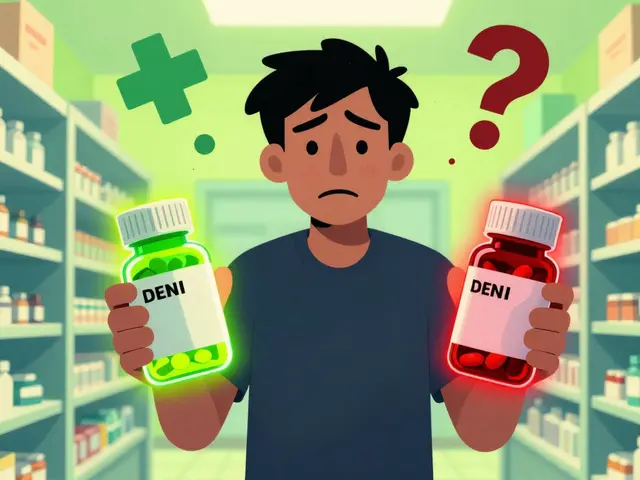
Many OTC cough medicines mix both ingredients-like Robitussin DM (dextromethorphan + guaifenesin). That’s fine if you have both a dry cough and thick mucus. But most people don’t. And if you’re using a combo product for a wet cough, you’re likely suppressing your body’s natural way of clearing infection.
Check the active ingredients. If it says:
- Dextromethorphan → for dry coughs
- Guaifenesin → for wet, phlegmy coughs
- Both → only if you have mixed symptoms
And watch out for labels that say “maximum strength,” “multi-symptom,” or “nighttime.” Those often contain antihistamines or decongestants that aren’t needed-and might cause drowsiness or jitters.
Real-World Results: What Do Users Say?
Looking at over 12,500 reviews from Amazon, CVS, and Walgreens:
- Mucinex (guaifenesin) has a 4.1/5 average rating. 78% of users say they noticed better mucus clearance within 24 hours-if they drank enough water.
- Delsym (dextromethorphan) scores 3.8/5. 65% say it stopped their dry cough, but 27% mention drowsiness or a weird, spaced-out feeling.
One Amazon review said: “Finally able to sleep through the night with chest congestion.” Another wrote: “Took Mucinex, drank a gallon of water, and coughed up enough gunk to fill a coffee mug. Felt like I’d won the lottery.”
But here’s the catch: 57% of users don’t drink enough water with guaifenesin. That’s why it doesn’t work for them. And 31% of inappropriate uses involve giving suppressants to someone with bronchitis and colored mucus-exactly what the American Lung Association warns against.

When Not to Use Them
Some rules can’t be broken.
- Don’t use dextromethorphan for coughs with colored mucus. Yellow, green, or bloody phlegm means infection. Suppressing the cough traps bacteria. Let your body cough it out.
- Don’t use either in kids under 4. The FDA says they’re not safe for young children. For older kids, stick to single-ingredient products.
- Don’t mix with MAOIs. If you take antidepressants like phenelzine or selegiline, dextromethorphan can cause dangerous serotonin buildup.
- Don’t use suppressants if you have COPD or asthma. Your lungs need to clear mucus. Stopping the cough could make breathing harder.
Dr. Sumita Khatri from Cleveland Clinic puts it this way: “Expectorants don’t treat the infection-but they help your body do its job better. They’re like adding oil to a stiff hinge, not silencing the squeak.”
What’s New in 2026?
Things are changing. In March 2023, Mucinex launched MoistureLock, a new formula that releases hydration-boosting ingredients over time to help guaifenesin work better. Early data shows users need less water to get results.
Also in the works: a new dextromethorphan-naloxone combo pill. Naloxone blocks the high you get from overdosing on dextromethorphan. It’s being tested to reduce abuse-especially among teens who misuse it for its dissociative effects.
The FDA is also rolling out new label rules in 2024. Expect pictograms: a brain with a “no” sign for suppressants, and a lung with an arrow for expectorants. The goal? Cut consumer confusion by 35%.
What to Do Right Now
Here’s your quick action plan:
- Listen to your cough. Is it dry or wet?
- Check the active ingredient on the bottle. Don’t rely on the brand name.
- If using guaifenesin, drink at least 8 oz of water every 2 hours.
- If you’re coughing up colored mucus, skip suppressants. See a doctor if it lasts more than 10 days.
- Avoid multi-symptom formulas unless you have multiple confirmed symptoms.
OTC cough medicines aren’t magic pills. They’re tools. Use the right tool for the job, and you’ll recover faster. Use the wrong one, and you might just be making things harder for your body.
Can I take a cough suppressant and expectorant together?
Yes, but only if you have both a dry, irritating cough and thick mucus you can’t clear. Most people don’t need both. Combination products like Robitussin DM are often overused. If you’re unsure, stick to single-ingredient formulas. You’re less likely to make a mistake.
How long should I wait before switching from a suppressant to an expectorant?
If your cough starts dry but you begin coughing up mucus after 2-3 days, switch to an expectorant. Don’t wait longer than 48 hours. Holding in mucus increases the risk of secondary infections like bronchitis or pneumonia. Your body is trying to heal itself-help it, don’t fight it.
Is guaifenesin safe for long-term use?
Guaifenesin is generally safe for short-term use (up to 7 days). If your cough lasts longer, it’s not a sign the medicine isn’t working-it’s a sign something else is going on. Chronic coughs (over 8 weeks) need medical evaluation. Don’t keep using expectorants indefinitely. They don’t treat underlying issues like asthma, GERD, or post-nasal drip.
Why does dextromethorphan make me feel weird?
At normal doses, dextromethorphan can cause mild drowsiness or dizziness. But at higher doses-sometimes taken recreationally-it can cause dissociation, hallucinations, and loss of coordination. The FDA and American Pharmacists Association warn that 1 in 4 teens have tried it for this effect. Always stick to the recommended dose. If you feel unusually spaced out or nauseated, stop taking it.
Are store-brand cough medicines just as good as name brands?
Yes-if they contain the same active ingredients. Mucinex and Delsym are popular, but store brands like CVS Health or Walgreens Maximum Strength with the same active ingredients (guaifenesin or dextromethorphan) work just as well. The difference is in labeling clarity: name brands score higher on FDA readability tests. Still, if you can read the label and match the ingredient, you’re fine.


Comments
Brandie Bradshaw
February 28, 2026 AT 19:07 PMThere’s a fundamental misunderstanding in how people treat symptoms versus causes. Coughing isn’t the enemy-it’s a defense mechanism. Suppressing it without understanding why it’s happening is like turning off a smoke alarm during a fire. The body isn’t malfunctioning; it’s trying to protect itself. Guaifenesin doesn’t cure anything, but it facilitates the body’s own cleanup crew. Dextromethorphan? It’s a neural silencer. Both have their place, but only if you’re listening to your physiology, not just your impatience.
Noah Cline
March 1, 2026 AT 14:58 PMFrom a pharmacokinetic standpoint, dextromethorphan’s CYP2D6 metabolism introduces significant interindividual variability-especially in poor metabolizers. Meanwhile, guaifenesin’s mucoactive effect is dose-dependent and hydration-sensitive, with a narrow therapeutic window. The real issue isn’t consumer confusion-it’s the lack of pharmacogenomic literacy in OTC labeling. If you’re taking a combo product without knowing your CYP2D6 status, you’re playing Russian roulette with CNS depression.
Sneha Mahapatra
March 2, 2026 AT 09:40 AMI used to think coughing was just annoying-until I had a cough that wouldn’t go away after my mom passed. She always said, ‘Let the body speak.’ I tried dextromethorphan first. Felt numb inside. Then I tried Mucinex with water-real water, not soda-and I coughed up things I didn’t know were stuck in me. It wasn’t pretty. But I felt lighter. Not because of the medicine. Because I finally stopped fighting my body.
bill cook
March 4, 2026 AT 05:28 AMWhy do people trust drug companies more than their own lungs? You think they care if you get better? They want you to keep buying. Look at the ads-‘maximum strength’ ‘nighttime relief’-it’s all designed to make you feel broken. I used to take Robitussin DM for everything. Then I read the label. One ingredient for dry cough. One for wet. I stopped buying the combo. My cough cleared in 3 days. No magic. Just common sense.
Full Scale Webmaster
March 4, 2026 AT 15:41 PMLet’s be real-this whole post is just corporate propaganda dressed up as public health. Dextromethorphan is banned in 12 countries for abuse potential. Guaifenesin? It’s basically water with a fancy name. The FDA doesn’t regulate OTC drugs like prescription ones. The ‘clinical trials’ they cite? Sponsored by Reckitt. The 78% satisfaction rate? Surveyed only people who drank 2+ liters of water. Meanwhile, the real epidemic is chronic dehydration and overmedication. We’re not treating coughs-we’re treating consumer anxiety. And the pharmaceutical industry is cashing in. The new ‘MoistureLock’? That’s not innovation-that’s a marketing gimmick to sell the same ingredient at double the price. Wake up.
Ajay Krishna
March 4, 2026 AT 22:10 PMAs someone who’s lived with asthma since childhood, I’ve learned this the hard way. Suppressants made me feel worse. Guaifenesin? Only worked when I drank water like it was my job. I used to think I was lazy for not ‘getting better fast.’ Now I know: healing isn’t about speed. It’s about listening. I keep a water bottle next to my bed now. And I read labels. Simple. But life-changing.
Lisa Fremder
March 5, 2026 AT 03:14 AMWhy are we letting Big Pharma dictate how we treat our bodies? In Russia, they use honey and steam. In India, they use turmeric milk. In Germany, they have herbal syrups with real extracts. Here? We get chemically engineered sugar water with a label that says ‘maximum strength.’ This isn’t medicine. It’s consumerism. And we’re the product.
Brandon Vasquez
March 5, 2026 AT 06:31 AMOne thing I learned after my pneumonia: don’t silence your cough unless you’re sure it’s not helping. I took dextromethorphan for my dry cough after the infection cleared. Worked fine. But when mucus came back? I kept taking it. Two days later, I had a fever. Doctor said I’d trapped bacteria. That’s not science-it’s ignorance. Read the label. Drink water. Let your body do what it’s built to do.
Katherine Farmer
March 6, 2026 AT 08:01 AMThe entire OTC cough market is a masterclass in behavioral economics. Consumers are primed to equate ‘maximum strength’ with ‘better,’ despite no clinical superiority. The FDA’s upcoming pictograms? A band-aid on a hemorrhage. The real problem is the erosion of medical literacy. Most people can’t distinguish between active ingredients and marketing copy. This isn’t about coughs-it’s about the collapse of critical thinking in the face of packaged convenience. We’ve outsourced our biology to shelf-stable solutions.
Angel Wolfe
March 6, 2026 AT 21:15 PMThey don’t want you to know this-but dextromethorphan was originally developed as a military chemical weapon to induce dissociation in soldiers. The FDA approved it for coughs because it was already being used recreationally. Guaifenesin? It’s just a byproduct of industrial solvent manufacturing. The real cure for coughs? Fasting. Your body clears mucus faster when you’re not feeding it sugar and carbs. And if you’re drinking 2 liters of water? You’re just diluting your immune response. Stop trusting the system. Go primal.
Charity Hanson
March 7, 2026 AT 03:58 AMI’m from Nigeria-we don’t have fancy cough medicine. We have ginger, lemon, and honey. I came to the US and tried all the pills. Felt worse. Then I remembered my grandma’s remedy. Coughed for three days. Then it was gone. No pills. Just warmth. Maybe the answer isn’t more science. Maybe it’s less noise.