
Hydroxyzine Cardiac Risk Calculator
About This Tool
This tool assesses your individual risk of QT prolongation when taking hydroxyzine based on factors discussed in the article. It helps you and your doctor determine if hydroxyzine is safe for you.
Assess Your Risk Factors
Select all factors that apply to you:
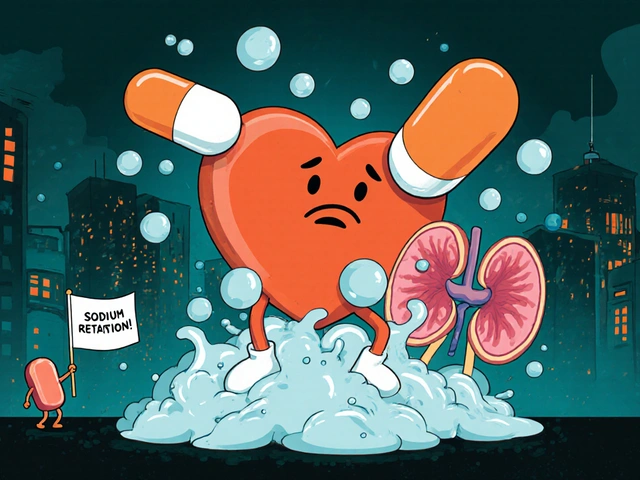
Hydroxyzine has been used for decades to treat anxiety, itching, and nausea. It’s cheap, effective, and widely prescribed. But in recent years, a quiet but serious danger has emerged: hydroxyzine can mess with your heart’s electrical system - and in rare cases, it can trigger a life-threatening arrhythmia called Torsade de Pointes. This isn’t theoretical. It’s documented in medical journals, flagged by regulators, and confirmed by real patient cases. If you’re taking hydroxyzine - or thinking about it - you need to understand the risk.
What Is Hydroxyzine, Really?
Hydroxyzine is a first-generation antihistamine. That means it blocks histamine, the chemical your body releases during allergies. But unlike newer antihistamines like cetirizine or loratadine, hydroxyzine also crosses into your brain. That’s why it’s used for anxiety and sleep - it makes you drowsy. It’s sold under brand names like Atarax and Vistaril. For years, doctors treated it like a gentle sedative. Safe for almost everyone. That assumption is now outdated.
Since its FDA approval in 1956, hydroxyzine was considered low-risk. But by the early 2000s, doctors started seeing cases where patients on hydroxyzine developed abnormal heart rhythms. These weren’t random. They followed a pattern: QT prolongation. That’s when the heart takes too long to recharge between beats. If it gets bad enough, it can spiral into Torsade de Pointes - a chaotic, fast heartbeat that can cause fainting, seizures, or sudden death.
How Hydroxyzine Affects Your Heart
The problem isn’t the antihistamine part. It’s the molecular structure. Hydroxyzine binds tightly to something called the hERG potassium channel in heart cells. This channel is like a gate that lets potassium flow out of the cell during the heart’s recovery phase. When it’s blocked, the heart can’t reset properly. The electrical signal lingers, lengthening the QT interval on an ECG.
Studies show hydroxyzine blocks hERG channels at concentrations you actually reach when taking normal doses. That’s not true for all antihistamines. Cetirizine? Minimal effect. Diphenhydramine? Some risk, but less than hydroxyzine. The European Medicines Agency (EMA) did a deep review in 2015 and confirmed: hydroxyzine has a real, dose-dependent risk of QT prolongation. They didn’t pull it off the market - they just tightened the rules.
The Real Danger: Who’s at Risk?
Most healthy people taking hydroxyzine won’t have problems. But if you have even one risk factor, the danger jumps dramatically. Here’s who needs to be extra careful:
- Age 65 or older - metabolism slows, drug builds up.
- Low potassium or magnesium - common in people on diuretics, with kidney disease, or eating poorly.
- Slow heart rate (bradycardia) - under 50 beats per minute.
- Existing heart disease - heart failure, enlarged heart, prior arrhythmia.
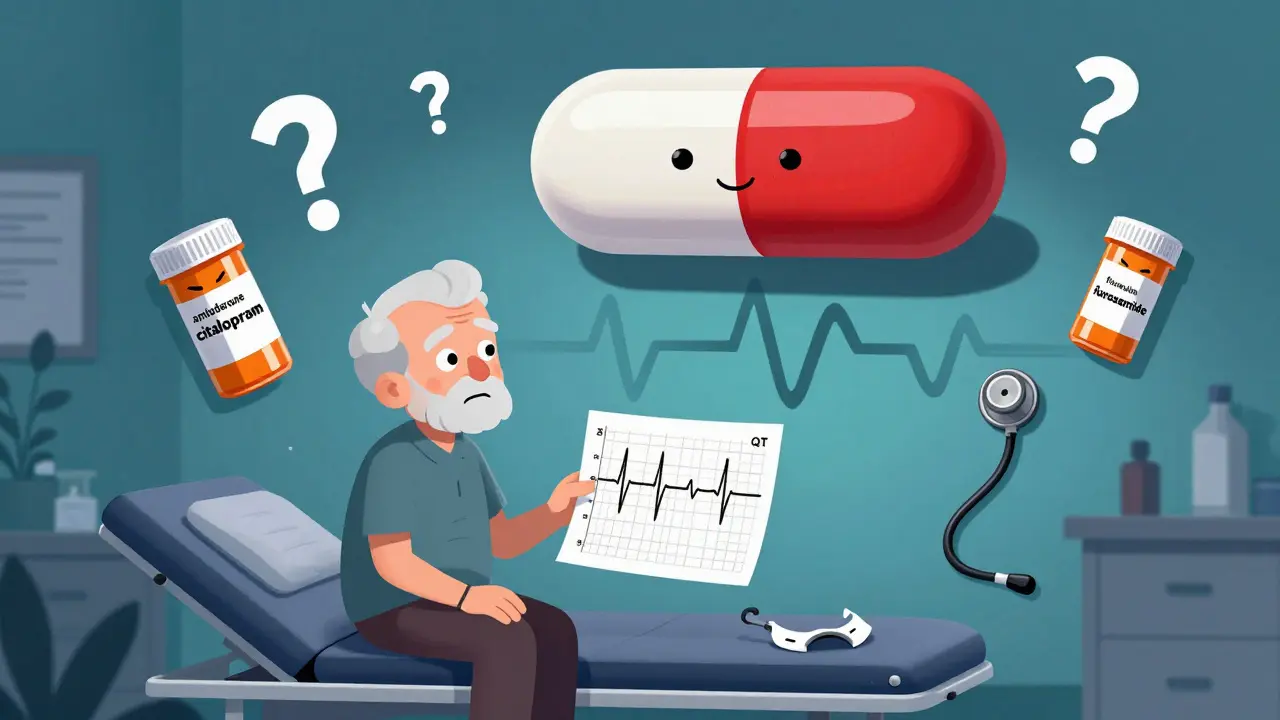
- Taking other QT-prolonging drugs - like certain antibiotics (azithromycin), antidepressants (citalopram), or antiarrhythmics (amiodarone).
- Genetic predisposition - CYP2D6 poor metabolizers break down hydroxyzine slowly, leading to higher blood levels.
One 2022 case report described a 68-year-old woman with no heart history. She took 50 mg of hydroxyzine for anxiety. Within hours, she went into Torsade de Pointes. Why? She was also on amiodarone. Two QT-prolonging drugs together? A recipe for disaster.
Dosing Limits Are Now Law - Not Suggestions
Before 2015, doctors could prescribe up to 400 mg a day. That’s dangerous. The EMA stepped in. Now, the maximum daily dose is:
- Adults: 100 mg - only if no risk factors.
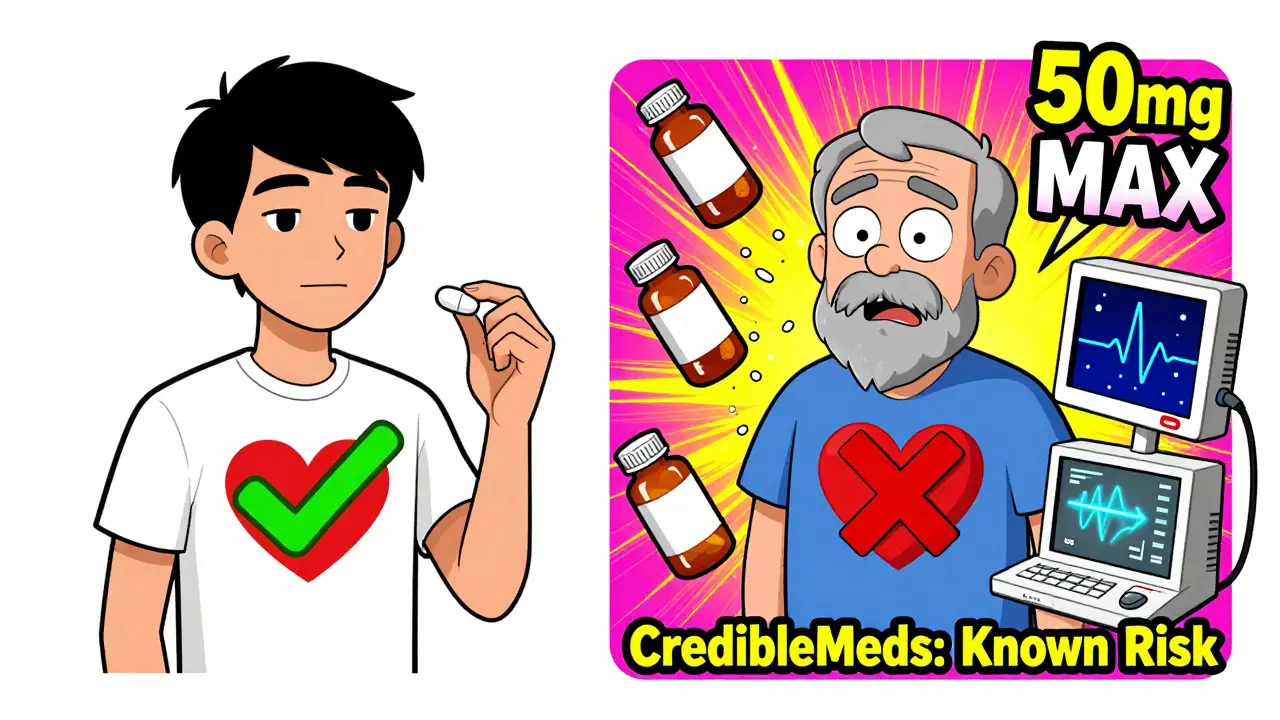
- Patients over 65: 50 mg max - even if they’re otherwise healthy.
- Children: 2 mg per kg - up to 40 kg.
Many hospitals now have electronic alerts that block hydroxyzine orders if the patient’s QTc is over 500 ms or if they’re on another high-risk drug. Pharmacists are trained to check the CredibleMeds database - which lists hydroxyzine as a “Known Risk” for Torsade de Pointes. If your doctor prescribes it without checking your ECG or meds, ask why.
What Should You Do Before Taking Hydroxyzine?
If you’re considering hydroxyzine - whether for anxiety, itching, or sleep - don’t skip these steps:
- Get a 12-lead ECG - check your QTc interval. Normal is under 450 ms for men, under 470 ms for women. If it’s over 450/470, hydroxyzine is risky. Over 500? Avoid it entirely.
- Review all your meds - use CredibleMeds or ask your pharmacist. Even common drugs like fluoxetine or metronidazole can add risk.
- Check your electrolytes - low potassium or magnesium? Fix it first. A simple blood test can catch this.
- Ask about alternatives - for anxiety: buspirone, SSRIs, or therapy. For itching: doxepin (low dose), gabapentin, or naltrexone. For sleep: melatonin or cognitive behavioral therapy.
Many people take hydroxyzine for chronic pruritus or insomnia. But if you’re on it long-term, you’re accumulating risk. The 2025 European Society of Cardiology guidelines are expected to ban chronic use entirely - only allowing single doses for procedural anxiety.
What If You’ve Already Taken It?
If you’ve taken hydroxyzine and felt dizzy, lightheaded, or had palpitations - especially within an hour of taking it - get checked. These aren’t just “side effects.” They could be early signs of arrhythmia. Don’t wait. Call your doctor. Get an ECG. If you’ve taken more than 50 mg in a day, especially if you’re over 65 or on other meds, don’t ignore it.
Even if you felt fine, consider this: a 2023 study found that 19% of Reddit users who reported hydroxyzine side effects described palpitations or dizziness within 60 minutes. That’s not anxiety. That’s your heart reacting.
Why Is This Still Prescribed?
Because it works. And because many doctors still don’t know the updated risks. In 2021, a survey of 127 hospital pharmacists found that 63% had seen hydroxyzine prescribed to patients with two or more risk factors - even though guidelines say to avoid it entirely in those cases.
Prescriptions have dropped since 2015 - from 18.3 million in the U.S. in 2014 to 12.7 million in 2022. But it’s still one of the top 15% of antihistamines prescribed for anxiety. The problem? Many prescriptions come from primary care, dermatology, or ERs - places where cardiac screening isn’t routine.
Meanwhile, alternatives are rising. Gabapentin prescriptions for itching jumped 62% between 2015 and 2022. Mirtazapine use for sleep in older adults rose 45%. These drugs don’t touch the hERG channel. They’re safer - and just as effective for many people.
The Bottom Line
Hydroxyzine isn’t banned. It’s not evil. But it’s no longer a “safe sedative.” It’s a drug that requires cardiac awareness - just like many heart medications. If you’re young, healthy, with no other meds and normal ECG - a single dose is likely fine. But if you’re older, on other drugs, or have any heart or electrolyte issues - it’s not worth the risk.
Ask your doctor: “Has my QT interval been checked? Am I on any other drugs that prolong it? Is there a safer alternative?” If they can’t answer, get a second opinion. Your heart doesn’t need to be a gamble.
Can hydroxyzine cause sudden cardiac arrest?
Yes, but only in rare cases. Hydroxyzine can trigger Torsade de Pointes, a type of dangerous arrhythmia that can lead to sudden cardiac arrest if not treated immediately. This typically happens in people with risk factors like older age, low potassium, existing heart conditions, or when combined with other QT-prolonging drugs. The overall risk is low, but the outcome can be fatal.
Is hydroxyzine safe for elderly patients?
Only with extreme caution. The European Medicines Agency recommends a maximum daily dose of 50 mg for patients over 65 - half the adult limit. Older adults metabolize the drug slower, increasing blood levels and risk of QT prolongation. Many geriatric guidelines, including the American Geriatrics Society Beers Criteria, now list hydroxyzine as potentially inappropriate for seniors due to cardiac and cognitive risks.
How long does it take for hydroxyzine to affect the heart?
QT prolongation can occur as early as 10 minutes after taking hydroxyzine, but most documented cases of Torsade de Pointes appear within hours to days. Some cases have been reported up to 20 days after starting therapy, especially with repeated doses. This makes it unpredictable - you can’t assume safety just because you’ve taken it before without issue.
Are there safer antihistamines for anxiety or itching?
Yes. For itching, alternatives include low-dose doxepin, gabapentin, or naltrexone. For anxiety or sleep, non-sedating antihistamines like cetirizine or loratadine are safer for the heart. For anxiety, buspirone or SSRIs are preferred. For insomnia, melatonin or CBT-I are first-line. These options avoid hERG channel blockade and carry no significant QT risk.
Should I get an ECG before taking hydroxyzine?
If you’re over 60, have heart disease, take other medications, or have electrolyte imbalances - yes. Even if you’re young and healthy, getting a baseline ECG before starting hydroxyzine is a smart precaution. A simple 10-second test can rule out pre-existing QT prolongation and help your doctor decide if the drug is appropriate. Many hospitals now require it before prescribing.



Comments
Bradford Beardall
January 9, 2026 AT 08:52 AMI took hydroxyzine for years for anxiety and never thought twice about it until my dad had a near-miss last year. He’s 72, on a diuretic, and took 50mg for sleep. Ended up in the ER with a QT spike. Turned out his cardiologist had no idea he was even on it. Scary how many docs still treat this like Benadryl.
Now I check CredibleMeds before any new med. Simple. Free. Could save your life.
McCarthy Halverson
January 10, 2026 AT 07:01 AMECG before hydroxyzine isn’t optional if you’re over 60 or on any other med. Period.
Jake Kelly
January 10, 2026 AT 08:47 AMThanks for laying this out so clearly. I’ve been on this for chronic hives and didn’t realize how risky it was long-term. Going to ask my doc about gabapentin instead.
Ashlee Montgomery
January 12, 2026 AT 05:38 AMIt’s not that hydroxyzine is evil. It’s that we treat it like it’s harmless because it’s old and cheap. But medicine evolves. Our assumptions shouldn’t stay stuck in 1956.
People forget that safety isn’t about absence of disaster. It’s about reducing preventable risk. This is one of those risks we can easily avoid.
Jay Amparo
January 13, 2026 AT 00:58 AMMan, I live in India and we’ve got hydroxyzine sold like candy over the counter here. No script, no questions. My cousin’s grandma took 100mg a day for insomnia for five years. She’s fine now, but I shudder thinking about it.
Doctors here don’t even know what QT prolongation means. I tried explaining it once and got laughed at. We need global awareness, not just Western guidelines.
My uncle had a stroke last year from a silent arrhythmia. Now I’m pushing every senior I know to get an ECG before taking anything that makes them drowsy.
It’s not paranoia. It’s responsibility. And if your pharmacist doesn’t check your meds against CredibleMeds, find a new one.
Lisa Cozad
January 14, 2026 AT 21:06 PMMy mom was on hydroxyzine for anxiety and never told her psych because she thought it was just an allergy pill. She started having weird palpitations at night. We got her ECG done - QTc was 510. They pulled her off it immediately.
She’s on buspirone now. No more dizziness. No more scares. And she’s actually sleeping better.
Don’t assume it’s just anxiety. Your heart doesn’t lie.
Ian Cheung
January 15, 2026 AT 22:33 PMHydroxyzine is the quiet killer no one talks about because it’s not a narcotic or a blood thinner. It’s just that one little blue pill you grab for a bad night or itchy bug bites.
But here’s the kicker - it doesn’t just affect your heart if you’re old or sick. It can hit anyone. I’m 34, healthy, no meds, no history. Took 50mg for hives. Felt like my heart was doing backflips. ECG showed QTc at 485.
They told me to stop. I did. No more hydroxyzine. Ever.
And now I check every med I take. Even if it’s OTC. Even if it’s ‘just for a few days.’
Because your heart doesn’t care how healthy you think you are.
Jake Nunez
January 17, 2026 AT 06:20 AMMy ER doc prescribed this to me for anxiety after a car crash. Didn’t even ask about my meds. I found out later it was on the FDA’s warning list. Felt like a damn guinea pig.
Now I Google every pill before I swallow it. No shame.
Christine Milne
January 18, 2026 AT 03:34 AMThis is a classic example of medical overreaction. The EMA is overstepping. Hydroxyzine has been used safely by millions for 70 years. A handful of cases does not constitute a public health crisis. You’re scaring people away from a safe, effective, affordable medication because of statistical noise.
Where’s the data on SSRIs causing suicide? Why aren’t they banned? Why single out hydroxyzine?
It’s fearmongering dressed as science.
Michael Marchio
January 18, 2026 AT 21:18 PMLook, I get it - you’re trying to raise awareness. But you’re also feeding into this toxic narrative that every medication is a potential death sentence. Hydroxyzine isn’t the enemy. Poor prescribing practices are.
And yes, there are risks. But so does driving a car. So does eating bananas. So does breathing air in a city.
People need context, not panic. The fact that you’re citing Reddit stats as evidence? That’s not science. That’s anecdotal noise wrapped in a lab coat.
Yes, check QT intervals. Yes, review meds. Yes, use alternatives when appropriate. But don’t vilify a drug that helps millions of people sleep, stop itching, or manage anxiety without a single incident.
Balance. Not fear. That’s what medicine should be about.
neeraj maor
January 20, 2026 AT 05:22 AMThey’re hiding the truth. Hydroxyzine doesn’t cause QT prolongation - it’s the 5G towers and the microchips in the pills that trigger it. The FDA and EMA are in on it. They want you dependent on expensive cardiac monitors and SSRIs. Why? Because Big Pharma owns them.
My cousin’s neighbor’s dog got sick after a vet prescribed it. Coincidence? I think not.
And why do you think they banned it in Europe but not in the US? Because the US is a lab for pharmaceutical experiments.
Don’t take it. Don’t trust anyone who says it’s safe. The system is rigged.