
DDK Health Live - Page 3
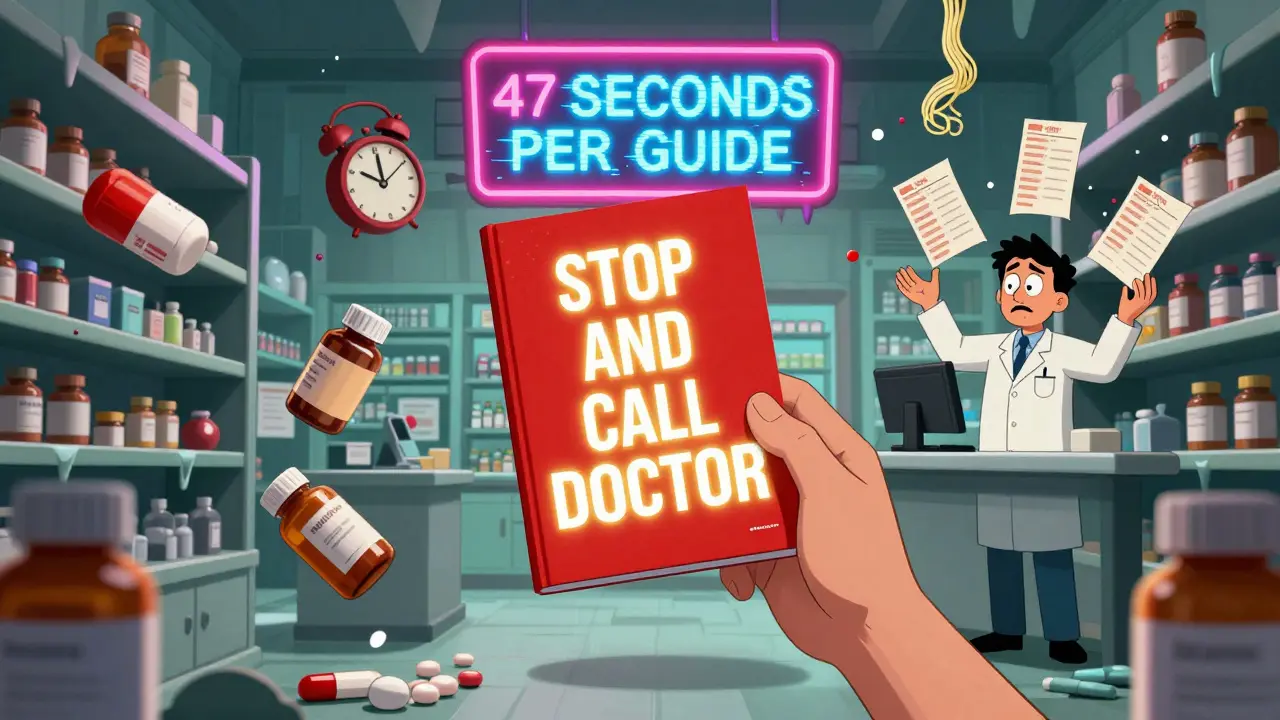
Medication Guides: What They Are and Why You Need Them for Safety
Medication Guides are FDA-mandated safety handouts for high-risk prescription drugs. Learn what's in them, why they matter, and how to use them to avoid serious side effects.
Diabetes Medications for Seniors: How to Prevent Dangerous Low Blood Sugar
Seniors with diabetes face higher risks of dangerous low blood sugar from common medications like glyburide. Learn which drugs are safest, how to prevent hypoglycemia, and what to do if a loved one has a low sugar episode.
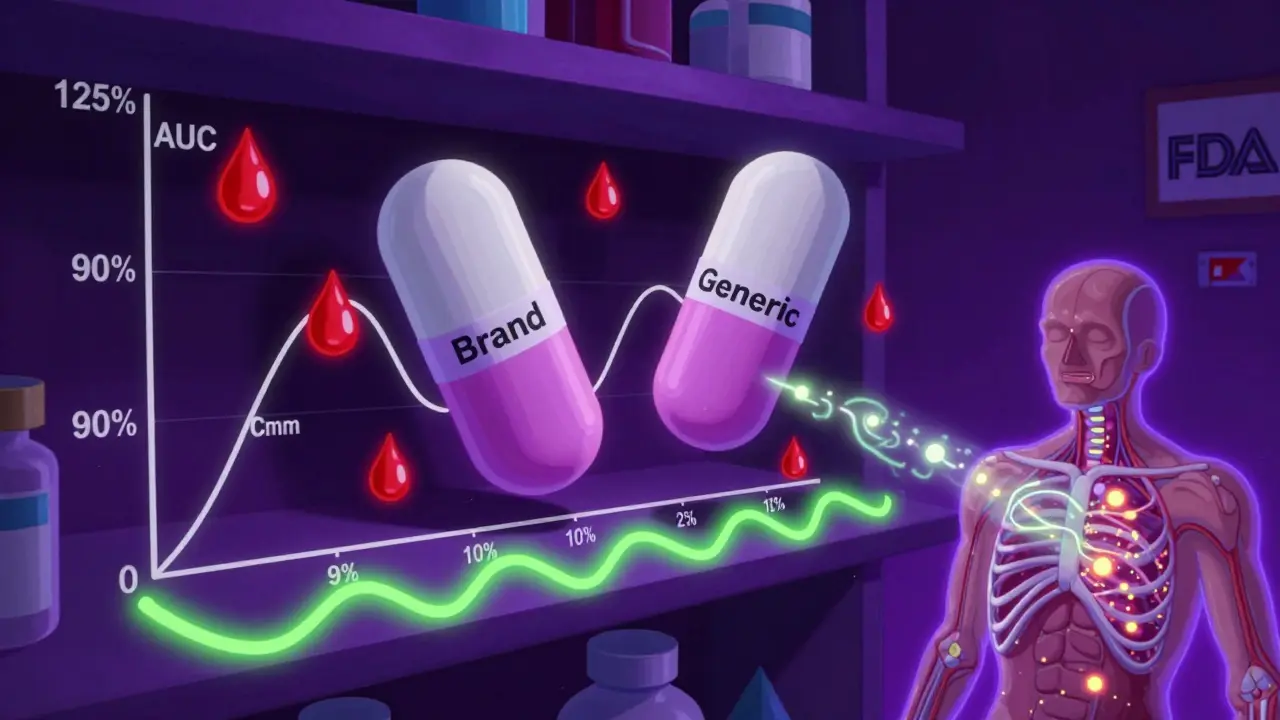
The 80-125% Rule: Understanding Bioequivalence Confidence Intervals in Generic Drugs
The 80-125% rule ensures generic drugs are as safe and effective as brand-name versions by measuring how much of the drug enters your bloodstream. It's based on statistical confidence intervals, not pill content.
Intentional Overdose: Mental Health Support and Crisis Resources You Can Trust
Intentional overdose is a leading method of suicide, especially among teens and middle-aged adults. Learn about the crisis resources that save lives, how to help someone in danger, and why funding mental health care is critical.

Generalized Anxiety Disorder: SSRIs, Benzodiazepines, and CBT Explained
Learn how SSRIs, benzodiazepines, and CBT treat generalized anxiety disorder-what works, what doesn’t, and which option is right for you based on current research and real-world outcomes.
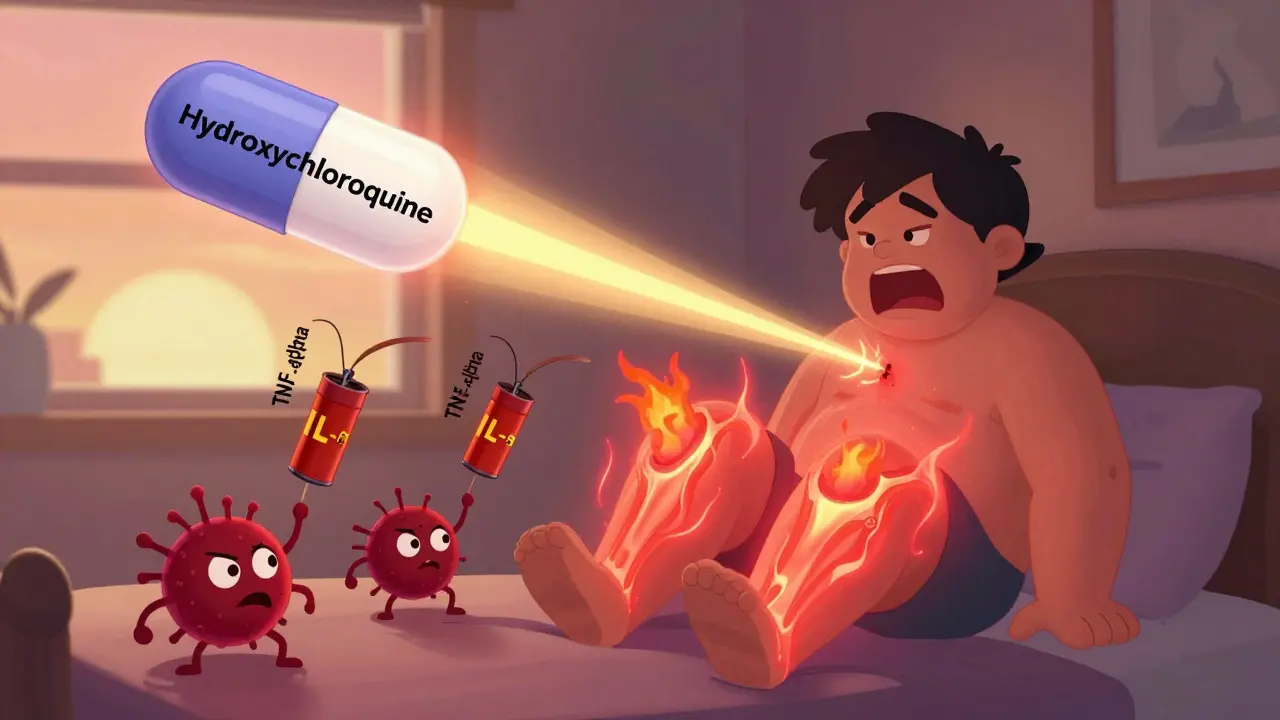
Lupus Arthritis and Hydroxychloroquine: How This Medication Reduces Joint Inflammation and Prevents Flares
Hydroxychloroquine is the cornerstone treatment for lupus arthritis, reducing joint inflammation, preventing flares, and protecting against heart disease and organ damage. Learn how it works, why it takes months to help, and what you need to know about safety and dosing.

Soy Products and Levothyroxine: What You Need to Know About Absorption Interference
Soy products can reduce levothyroxine absorption by up to 40%, leading to uncontrolled hypothyroidism. Learn how to time your meals and medication to avoid this common interaction.
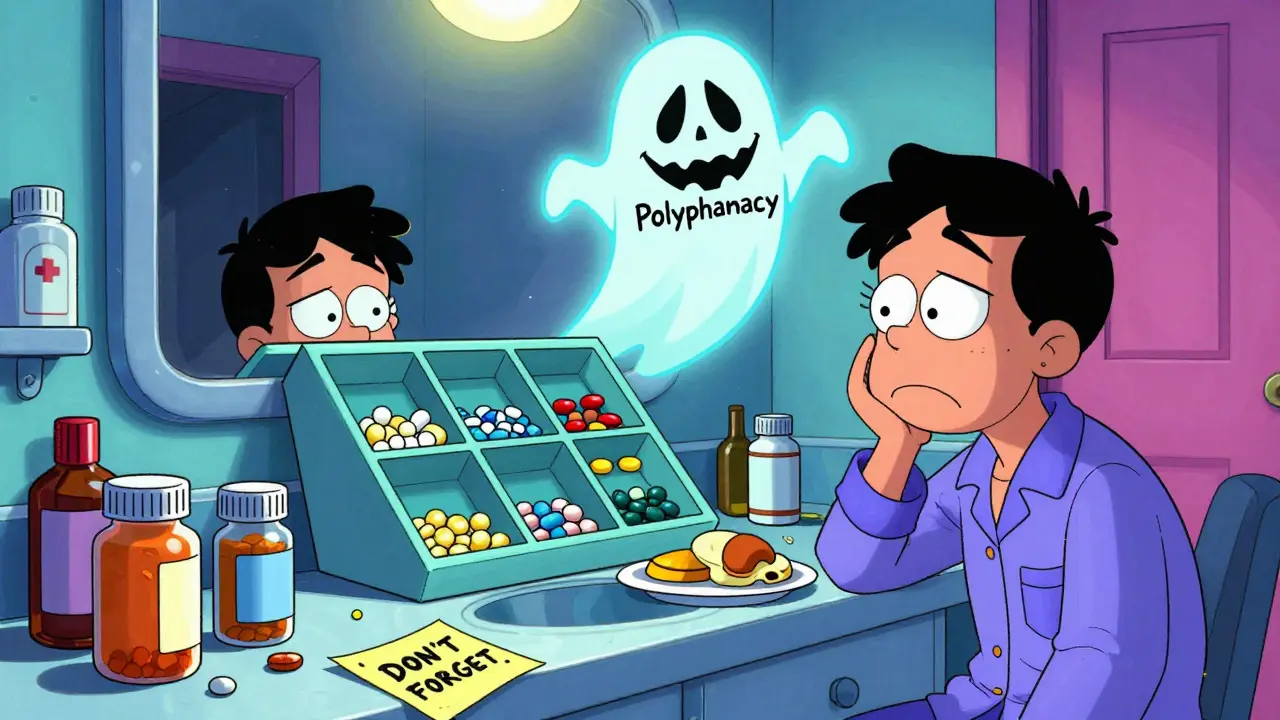
Medication Safety for Chronic Conditions: Practical Long-Term Use Tips
Learn practical tips to stay safe while taking long-term medications for chronic conditions. Avoid dangerous interactions, reduce polypharmacy risks, and improve adherence with simple, proven strategies.

Bone-Conduction Hearing Aids: A Practical Alternative for Hearing Loss
Bone-conduction hearing aids offer a life-changing alternative for people with conductive hearing loss, single-sided deafness, or chronic ear infections. Learn how they work, who benefits most, and what to expect before and after surgery.
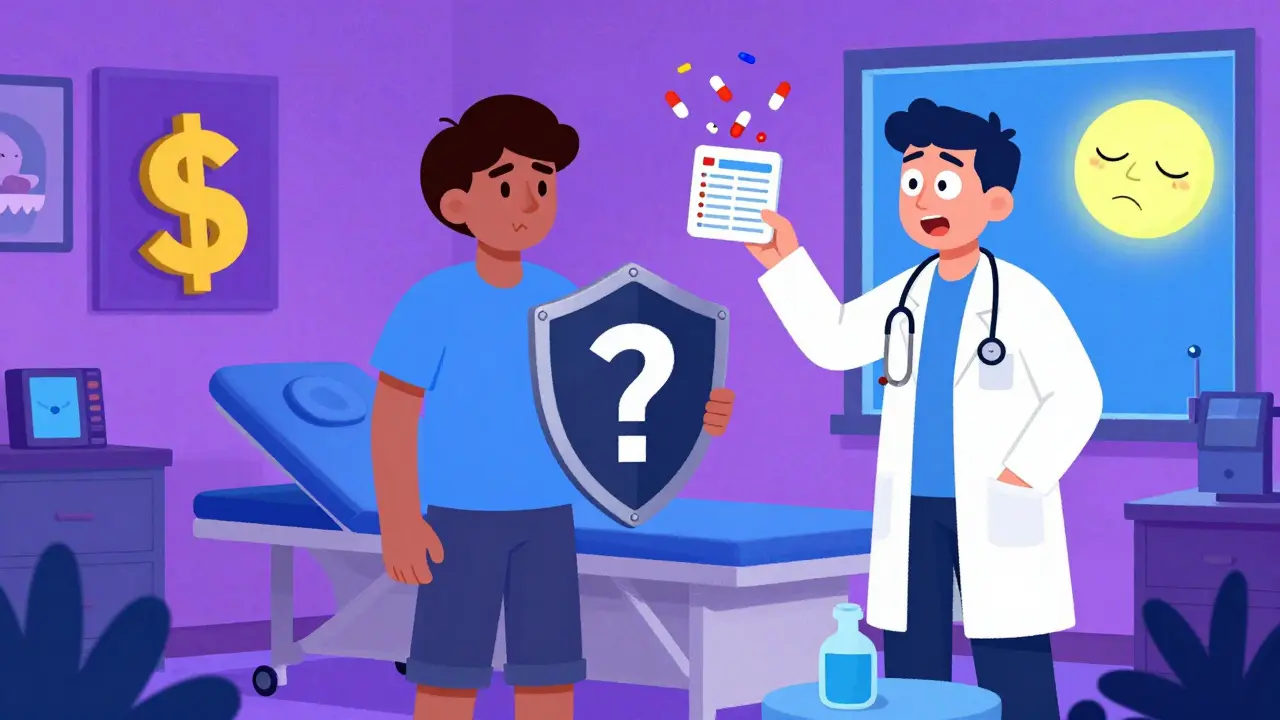
Control and Choice: How Patients Take Charge of Their Medication Decisions
Patients have the right to choose their medications - but too often, that choice is ignored. Learn how to truly take control of your drug decisions, from cost and side effects to alternatives and personal values.
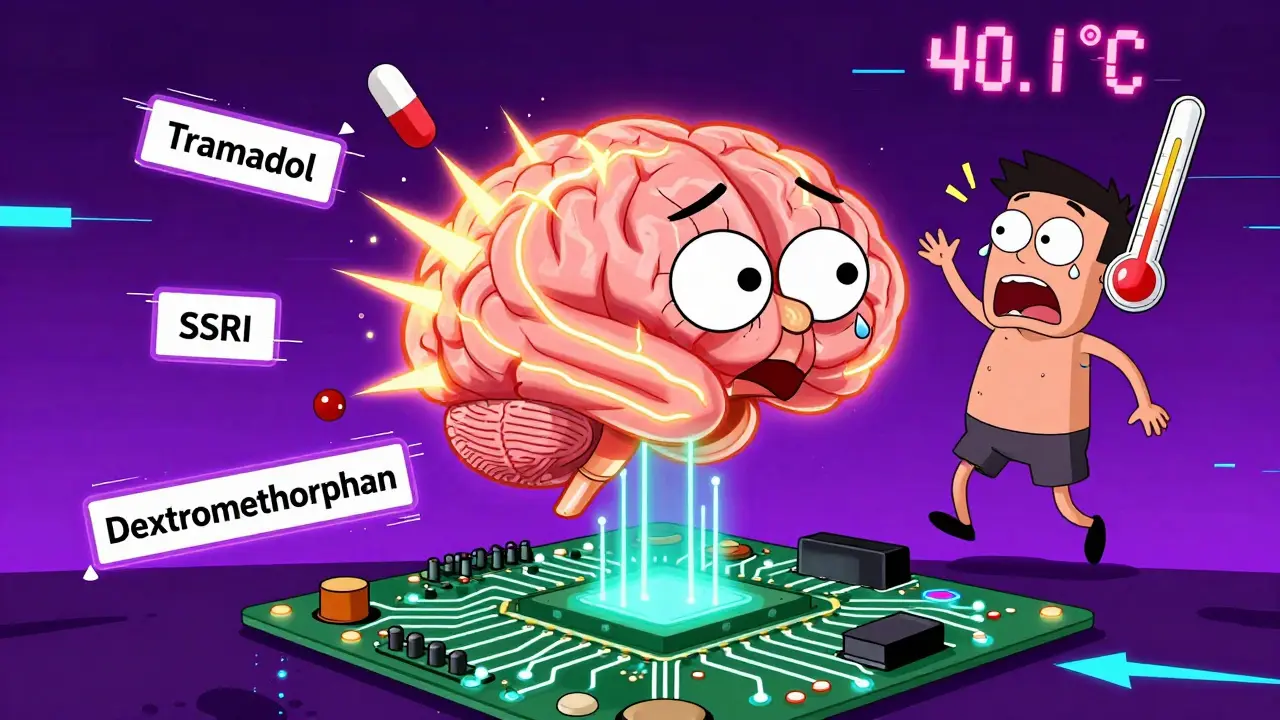
Opioids and Serotonin Syndrome: What You Need to Know About Dangerous Drug Mixes
Certain opioids like tramadol and dextromethorphan can trigger serotonin syndrome when mixed with antidepressants. Learn which painkillers are safe, which to avoid, and what to do if symptoms appear.
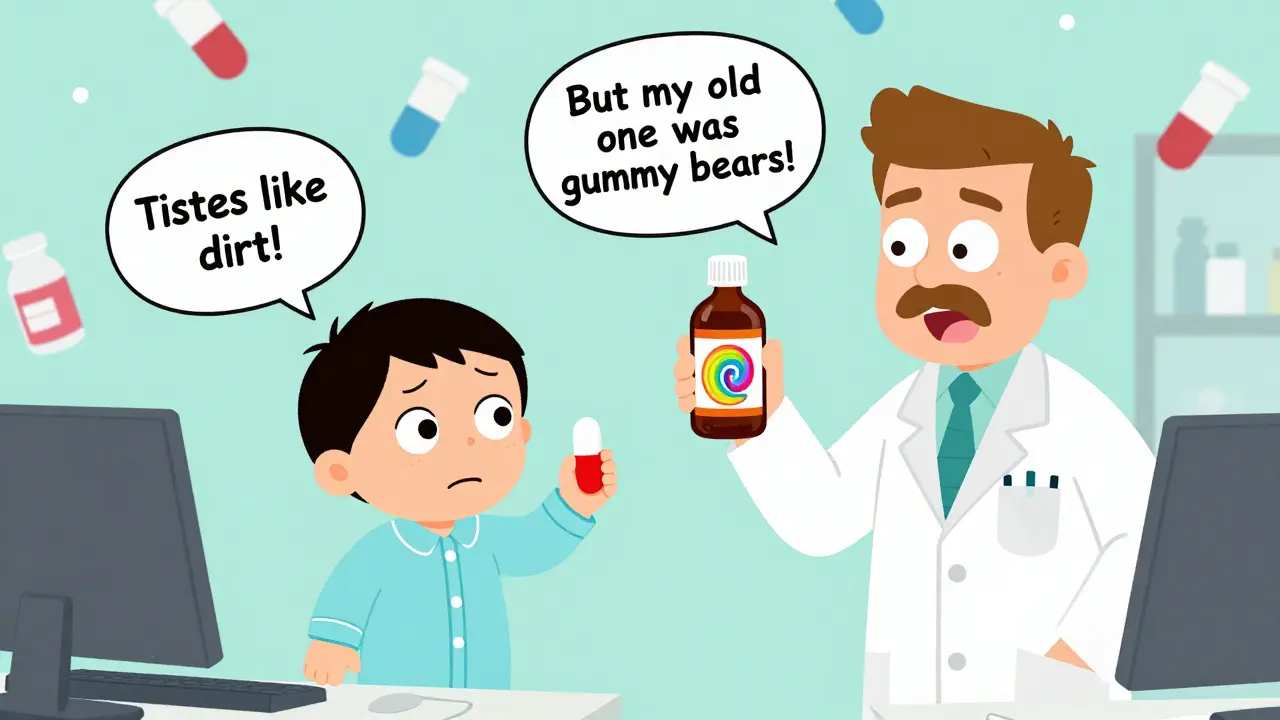
How to Communicate Generic Substitution to Pediatric and Senior Patients
Generic drugs save money but can confuse kids and seniors. Learn how to explain substitutions clearly, avoid adherence issues, and protect patients from the nocebo effect-without sacrificing safety or trust.