
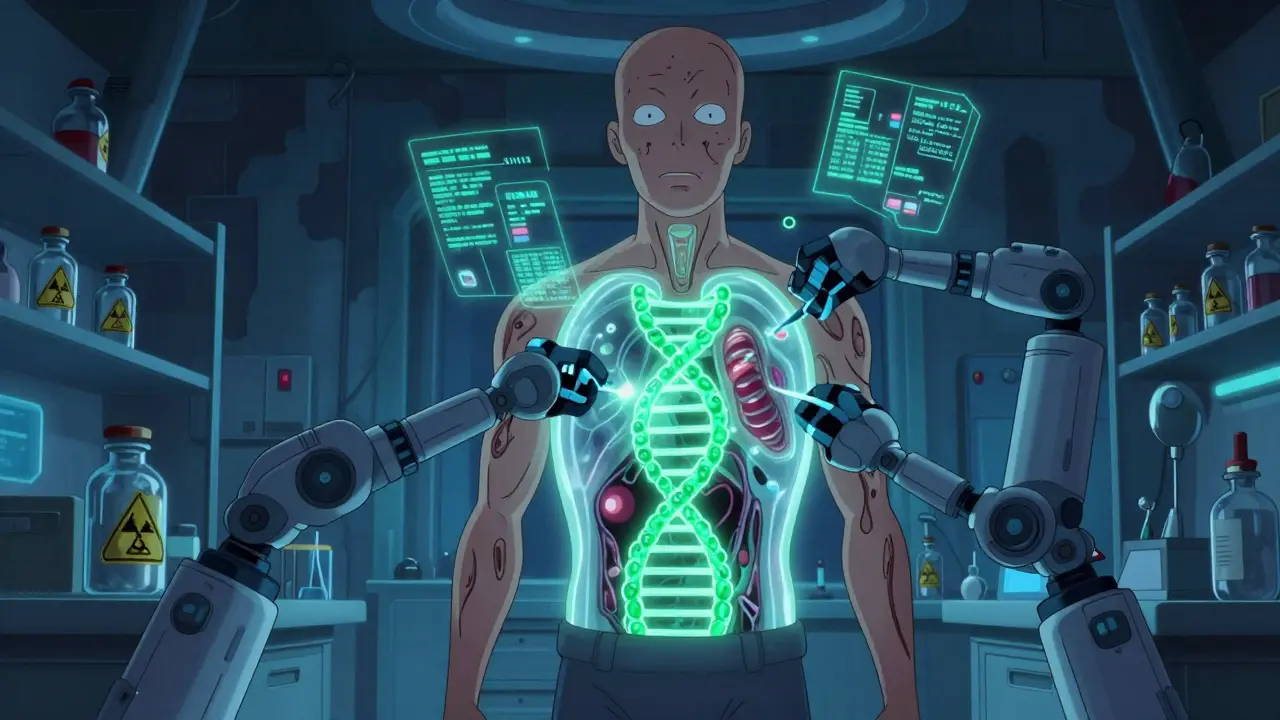
Gene Therapy Safety & Interaction Risk Checker
Please select parameters and click "Analyze Risks" to view potential safety challenges.
Imagine taking a medication that doesn't just treat your symptoms but actually rewrites the instructions inside your cells. That is the promise of gene therapy, a medical treatment that modifies or replaces genes to cure disease. It sounds like science fiction, but it is happening right now in clinics worldwide. However, this powerful approach comes with a hidden danger that traditional pills do not have: unpredictable interactions with other drugs you might be taking.
If you are considering gene therapy for yourself or a loved one, understanding these unique safety challenges is crucial. Unlike standard medications that leave your system in days or weeks, gene therapies can stay in your body for years-or even forever. This permanent change creates a long-term risk window where drug interactions can emerge unexpectedly, altering how your body processes other essential medicines.
The Legacy of Past Failures Shaping Today's Rules
To understand why we are so cautious about gene therapy safety, we have to look at where the field has been. The history of gene therapy is marked by both breakthroughs and heartbreaking tragedies that forced regulators to rewrite the rulebook.
In 1999, an 18-year-old named Jesse Gelsinger died after receiving gene therapy for a liver enzyme deficiency called ornithine transcarbamylase (OTC) deficiency. He was part of a clinical trial using a recombinant adenoviral vector to deliver the healthy gene. What went wrong? His immune system recognized the virus as a threat and launched a massive attack, leading to multiple organ failure. Preclinical tests had actually warned of this risk-two monkeys in earlier studies suffered fatal liver damage-but the human reaction was far more severe than anticipated.
This tragedy highlighted a critical flaw: viral vectors, while effective at delivering genetic material, carry inherent immunogenicity risks. Your immune system does not distinguish between a therapeutic virus and a harmful pathogen. Between 1999 and 2002, other trials for severe combined immunodeficiency (SCID) saw patients develop leukemia because the therapeutic gene inserted itself into the wrong spot in the DNA, activating cancer-causing genes. These events proved that gene therapy is not a simple "fix and forget" solution. It requires rigorous, long-term oversight that traditional drug development never demanded.
How Viral Vectors Trigger Hidden Drug Interactions
Most modern gene therapies use viruses as delivery trucks. Scientists strip out the disease-causing parts of viruses like Adeno-associated virus (AAV) or lentivirus and fill them with healthy genetic code. But even when modified, these viral shells can trigger significant biological responses.
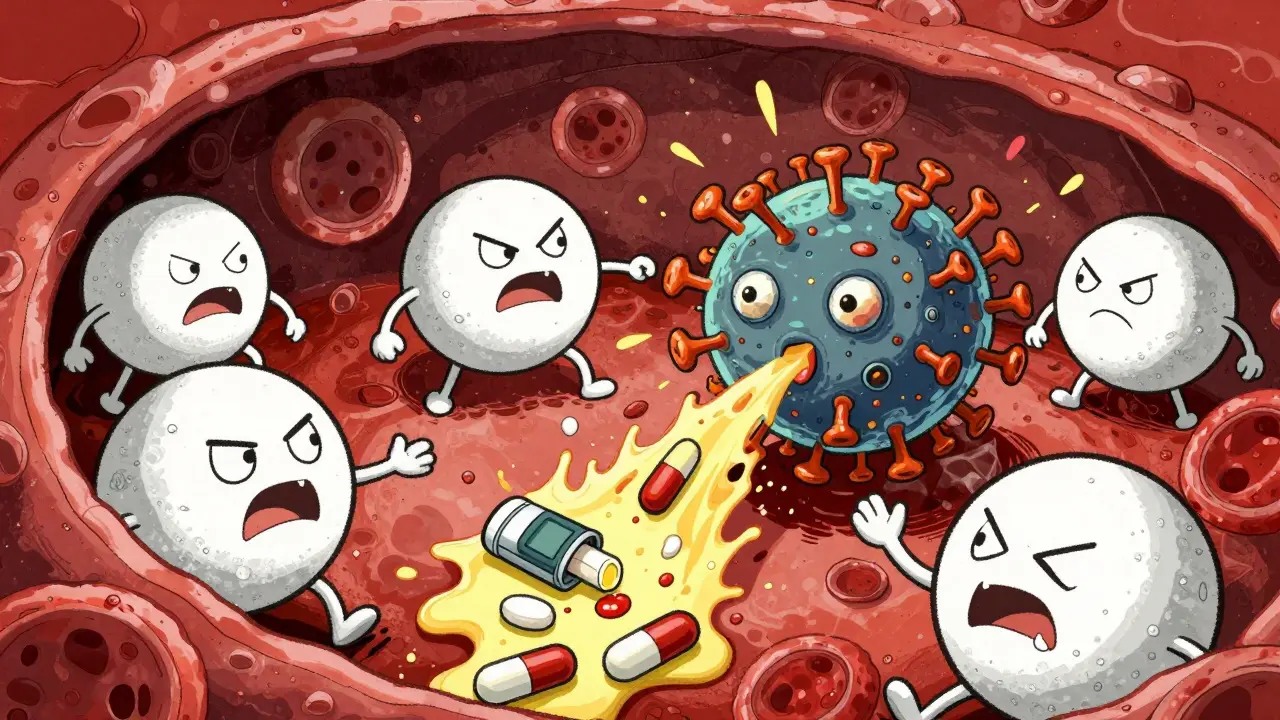
Here is where the drug interaction risk becomes complex. When your body detects a viral vector, it often triggers an innate immune response. This involves toll-like receptors, inflammatory cytokines, and complement activation. Why does this matter for your other medications?
Your liver uses enzymes called cytochrome P450 (CYP450) to break down most pharmaceutical drugs. Inflammation caused by the immune response to gene therapy can either suppress or induce these enzymes. If your CYP450 levels drop, the drugs you take for blood pressure, cholesterol, or depression could build up to toxic levels in your bloodstream. If they spike, those same drugs might become ineffective. Because every patient’s immune response varies wildly, predicting these changes is nearly impossible with current technology.
| Vector Type | Primary Risk | Drug Interaction Mechanism |
|---|---|---|
| Adenovirus | High immunogenicity | Systemic inflammation alters liver enzyme activity |
| Adeno-associated virus (AAV) | Moderate immunity, long expression | Persistent protein production may compete with drug targets |
| Lentivirus | Insertional mutagenesis | Long-term genomic changes affect cell metabolism over years |
The Problem of Off-Target Effects
Another major safety challenge is what happens when the gene therapy hits the wrong cells. Doctors aim for specific tissues, such as muscle or liver, but viral vectors can sometimes drift. If a vector modifies cells in the liver or kidneys-organs responsible for filtering drugs-it could permanently alter how your body metabolizes medications.
For example, if a gene therapy inadvertently affects hepatocytes (liver cells), it might increase the production of proteins that bind to drugs in the blood. This reduces the amount of "free" drug available to work, rendering treatments less effective. Worse still, some genome editing tools like CRISPR-Cas9 carry the risk of off-target cuts in DNA. While rare, these unintended edits could disrupt genes involved in drug transport or metabolism, creating side effects that appear months or years later.
Why 15 Years of Monitoring Is Non-Negotiable
You might wonder why you need to be monitored for so long. With a standard antibiotic, you know within days if it works or causes issues. Gene therapy is different because it introduces permanent or long-acting changes. The U.S. Food and Drug Administration (FDA) mandates 15 years of follow-up for many gene therapies, especially those using integrating vectors or those targeting non-dividing cells.
Why 15 years? Because some risks are latent. A gene inserted into your DNA might sit quietly for a decade before triggering a problem, such as tumor formation or chronic inflammation. During this time, you will likely continue taking other medications for age-related conditions. The interaction between a static, genetically modified cell line and a changing pharmacological regimen is largely uncharted territory.
Consider a patient treated with gene therapy for hemophilia at age 30. By age 50, they may be taking statins for cholesterol and beta-blockers for heart health. Did the gene therapy alter their liver’s ability to process statins? We may not know until late-stage data emerges from these long-term studies. This uncertainty makes informed consent incredibly difficult, as patients cannot fully predict future risks.
Navigating Concomitant Medications During Treatment
If you are undergoing gene therapy, managing other drugs requires extreme caution. Clinical trials often restrict what medications participants can take to avoid masking side effects or causing dangerous interactions. But in real-world scenarios, patients have complex medical histories.
Here are practical steps to consider:
- Disclose Everything: Tell your specialist about every supplement, over-the-counter drug, and herbal remedy you take. Even natural products like St. John’s Wort can interfere with liver enzymes already stressed by immune responses.
- Avoid NSAIDs Initially: Non-steroidal anti-inflammatory drugs (NSAIDs) like ibuprofen can exacerbate liver stress during the initial phase of gene therapy when immune activation is highest.
- Monitor Liver Function Regularly: Frequent blood tests checking alanine aminotransferase (ALT) and aspartate aminotransferase (AST) levels help detect early signs of hepatic distress caused by drug interactions.
- Adjust Doses Proactively: Work with a pharmacist who understands gene therapy to preemptively adjust doses of narrow-therapeutic-index drugs (like warfarin or digoxin) that require precise blood levels.

Ethical Concerns and Informed Consent
The complexity of these risks raises serious ethical questions. How can a patient truly consent to a treatment where the full range of drug interactions is unknown? Transparency is key. Ethical frameworks for gene therapy must include clear communication about potential societal repercussions, fair access to therapies, and the limits of current scientific knowledge.
Patients need to understand that while gene therapy offers curative potential, it also shifts the burden of safety monitoring onto them for decades. They must be prepared for regular check-ups, blood draws, and possibly adjusting their entire medication profile based on emerging data. This level of engagement is unprecedented in modern medicine.
What the Future Holds for Safety Protocols
As gene therapy moves from experimental trials to mainstream treatments, we are seeing improvements in vector design. Newer generations of AAV serotypes show reduced immunogenicity, and lipid nanoparticles offer non-viral delivery options that may lower interaction risks. However, gaps remain.
We currently lack comprehensive pharmacokinetic models that predict how gene therapy alters drug metabolism across diverse genetic backgrounds. Future developments will likely rely on multi-institutional longitudinal studies tracking thousands of patients over decades. Artificial intelligence and machine learning may eventually help predict individual interaction risks based on a patient’s genetic makeup and immune profile.
Until then, the safest approach remains vigilance. Patients and doctors must collaborate closely, treating gene therapy not as a one-time event but as the beginning of a lifelong partnership focused on safety and monitoring.
Can gene therapy make my other medications ineffective?
Yes, it is possible. If the gene therapy triggers an immune response that alters liver enzyme activity (specifically CYP450 enzymes), it can speed up or slow down the breakdown of other drugs. This can lead to toxicity if drugs build up, or treatment failure if they are cleared too quickly.
Why do I need to be monitored for 15 years after gene therapy?
The FDA mandates 15 years of follow-up for certain gene therapies because they introduce permanent changes to your DNA. Risks like insertional mutagenesis (cancer) or delayed immune reactions may not appear for years. Long-term monitoring ensures any late-onset side effects or drug interactions are caught early.
Are all gene therapies delivered using viruses?
Most currently approved therapies use viral vectors like Adeno-associated virus (AAV) or Lentivirus because they are efficient at entering cells. However, non-viral methods like lipid nanoparticles are being developed to reduce immune-related risks and potential drug interactions.
What should I avoid taking alongside gene therapy?
You should generally avoid medications that stress the liver or suppress the immune system without doctor approval. Over-the-counter NSAIDs (like ibuprofen) and certain herbal supplements can interact negatively with the inflammatory response triggered by viral vectors. Always consult your specialist before starting new meds.
Is gene therapy safe for people with compromised immune systems?
It depends on the specific therapy and condition. Patients with weakened immune systems may not mount the expected immune response to viral vectors, which could affect efficacy. Conversely, they might be more susceptible to infections. Each case requires careful evaluation by a multidisciplinary team.