
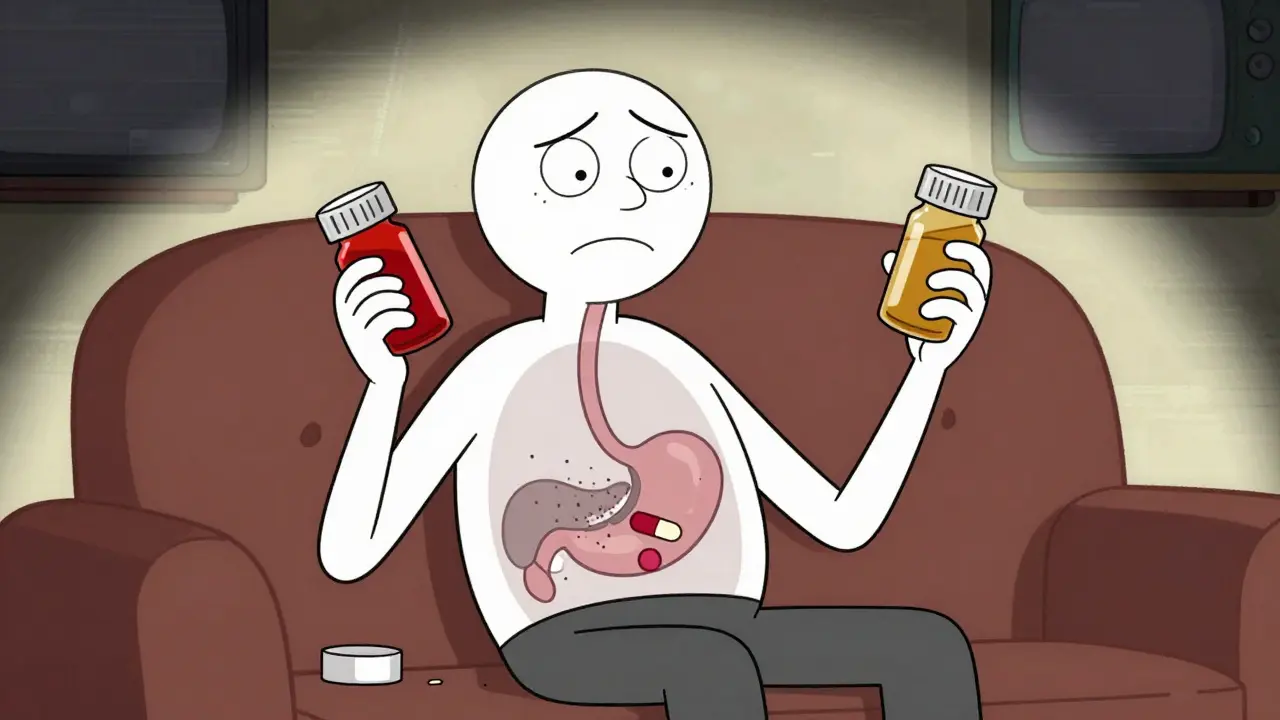
You've just picked up a prescription for that stubborn infection, and you're already planning your recovery routine. Maybe you even reached for your Zinca vital mineral supplement often used to support immune function and reduce the duration of colds. bottle right after, thinking more protection equals faster healing. But here's the hard truth: popping those pills at the exact same time might actually make your medicine useless. It sounds counterintuitive, but taking zinc and certain types of antibiotics together is like trying to fill a bucket with a hole in it. One cancels out the other before it can do its job.
We aren't talking about vague "might be" possibilities here. We are looking at hard pharmacokinetic data showing exactly how these two substances clash in your digestive tract. If you are currently prescribed antibiotics, ignoring this timing rule could mean your body never gets the full dose needed to kill the bacteria. In some cases, patients end up with lingering infections or, worse, contribute to antibiotic resistance because the treatment failed. Today, I'm breaking down exactly which drugs are involved, how much time you really need to wait, and why standard advice like "just take them separately" isn't always enough.
The Mechanics of Interaction: Why They Fight
To understand why you can't stack these supplements, we have to look inside your gut. Your body uses transporters to move nutrients and medications from your stomach into your bloodstream. Think of these as security gates. One specific transporter called PEPT1Peptide Transporter 1, a protein critical for absorbing beta-lactam antibiotics like cephalexin. plays a massive role in getting certain antibiotics absorbed. When you take zinc, the mineral competes for that same entry point.
Imagine two people trying to walk through a single narrow turnstile at the exact same moment. Someone is going to get stuck. In the case of zinc and antibiotics, the metal ions essentially block the path for the medication. A pivotal study published in the Journal of Antimicrobial Chemotherapy back in 2012 (Koh et al.) showed this clearly. When healthy volunteers took zinc sulfate alongside cephalexin, their blood levels of the antibiotic dropped significantly. The maximum concentration in the blood was lower, and the total area under the curve-which tells us how long the drug stays active-was reduced too.
This isn't just one type of chemical binding either. With other antibiotics, specifically tetracyclines, the issue changes to chelation. This is a direct chemical reaction where the zinc binds to the antibiotic molecule itself, forming a new compound that your body cannot absorb. It turns the medicine into something inert before it ever hits your system. The result is the same regardless of the mechanism: the bacteria survive, and your infection drags on longer than it should.
Which Antibiotics Get Blocked?
Not every pill sits poorly with your minerals. You don't need to stress over every single medication name in your pharmacy bag. However, there are three main families of antibiotics you absolutely need to watch for. These classes are notorious for interacting with divalent cations like zinc, iron, and calcium.
| Antibiotic Class | Common Examples | Risk Level | Primary Mechanism |
|---|---|---|---|
| Tetracyclines | Doxycycline, Minocycline, Tetracycline | High | Chelation (Chemical Binding) |
| Fluoroquinolones | Ciprofloxacin, Levofloxacin, Moxifloxacin | High | Chelation & Transport Block |
| Beta-Lactams | Cephalexin, Amoxicillin | Moderate | Transport Competition (PEPT1) |
| Macrolides | Azithromycin, Clarithromycin | Low | Negligible Impact |
The tetracycline family is the big worry here. Studies have noted reductions in absorption of up to 50% when taken simultaneously. Fluoroquinolones like Ciprofloxacina widely prescribed fluoroquinolone antibiotic used for urinary tract and respiratory infections. sit in a similar danger zone, with reports showing a 20-40% drop in effectiveness. Beta-lactams are slightly better but still require spacing. Conversely, drugs like azithromycin generally play nice with zinc, so if your doctor prescribes one of those, you have a bit more flexibility.

The Golden Rule of Timing
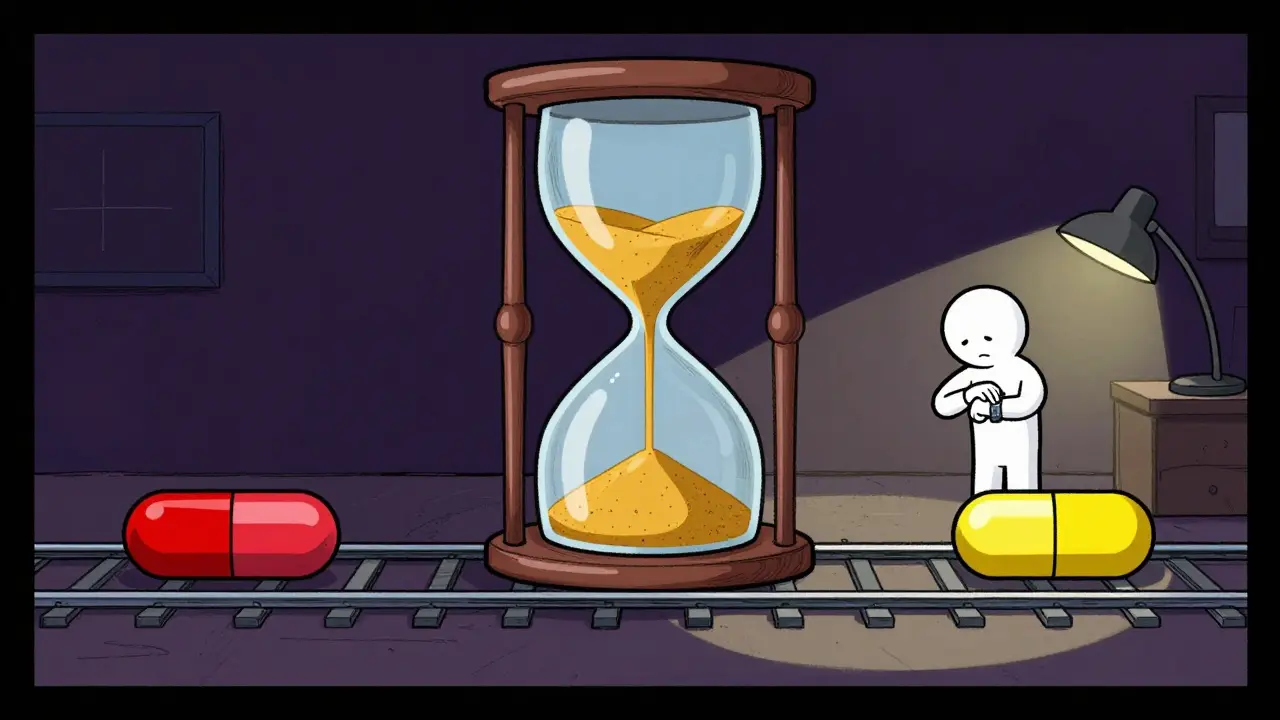
So, what's the fix? You need a buffer zone. Most authoritative sources, including the Linus Pauling InstituteA premier nutrition research center at Oregon State University known for evidence-based micronutrient studies. and WebMD, agree on a simple window: separate your doses. The sweet spot is taking your antibiotic at least two hours before or four to six hours after your zinc supplement.
Why the difference? Taking it before works well because the antibiotic has time to pass through the stomach before the zinc arrives. Waiting four to six hours after allows your system to largely clear the antibiotic. It sounds tricky, especially if you are on a schedule, but failing to do this can lead to treatment failure. A common mistake I see online is people saying "I took my zinc 30 minutes later." That doesn't cut it. Your gut hasn't cleared out yet. For extended-release zinc products, you actually need to widen that gap to four hours minimum, according to the Institute for Safe Medication Practices' 2023 update.
Hidden Sources of Zinc You Might Miss
Many people think they are safe because they aren't swallowing a dedicated zinc pill. But zinc is ubiquitous. Multivitamins are the usual culprits; almost all contain between 15 to 30 milligrams of elemental zinc per serving. That's enough to interfere. Protein powders fortified with trace minerals also count. Even certain foods can throw off your timing if eaten in large quantities during a dosage window.
I once read a forum thread where a patient reported a recurring UTI despite finishing her full course of ciprofloxacin. Turns out she had been taking a high-dose immune complex containing 50mg of zinc with every meal, overlapping her morning antibiotic dose perfectly. Once she separated the multivitamin to bedtime, her symptoms vanished. Always check the label. Look for "Elemental Zinc" specifically, as the compound name (like zinc picolinate or zinc oxide) dictates how much actual metal you are consuming.
Real World Pitfalls and Troubleshooting
Life isn't always perfect, and managing timing can get complicated when you are sick and tired. Here are some practical workarounds if your schedule makes standard separation difficult:
- Morning Routine Fix: Take your antibiotic immediately upon waking. Wait until lunchtime, or at least 2 hours later, before touching any vitamins.
- Sleep Window Solution: If you take antibiotics multiple times a day, save your zinc supplement for late evening, ensuring it is at least 4 hours past your last antibiotic dose.
- App Reminders: Use medication management apps. They allow you to set distinct "start" and "end" windows for different meds rather than just a single alarm time.
- Liquid Formulations: Keep in mind that liquid antibiotics absorb faster. While the general rule applies, liquid suspensions might move through your stomach quicker, potentially shortening the required gap slightly, but sticking to the standard safety margin is safer.
Pediatric care requires extra vigilance here. Children are often prescribed broad-spectrum antibiotics, and parents are eager to boost their immune systems with zinc. The Cochrane review notes the importance of this in pneumonia cases, where therapeutic zinc is beneficial, but timing remains critical to ensure the antibiotics fight the initial infection effectively. Don't assume small doses are safe; even low amounts matter when bioavailability is compromised.
When to Talk to Your Doctor
If your regimen is particularly complex or you find yourself constantly missing windows, speak to your pharmacist. There are alternative antibiotics within the same class that interact less severely. Sometimes switching to a different formulation, like a topical version instead of an oral one, bypasses the gut entirely. Never stop an antibiotic early because you think it's not working due to zinc; instead, verify your timing first. Checking your blood pressure, hydration, and rest quality also helps determine if the issue is truly pharmacological or if your body just needs more time to heal naturally.
Can I take Zinc with Penicillin?
While penicillin belongs to the beta-lactam class and can interact with zinc via transport competition, the risk is generally considered moderate. However, to be safe, separating doses by at least 2 hours is still recommended to ensure full absorption of the antibiotic.
Does food affect Zinc and Antibiotic absorption?
Yes, food can slow down gastric emptying, which delays absorption of both compounds. Dairy products specifically contain calcium, which compounds the problem further. Ideally, take antibiotics on an empty stomach unless side effects occur, and keep zinc separate from meals rich in phytates.
Is there a permanent way to avoid this interaction?
There is no permanent cure-all, but changing the antibiotic class to one that doesn't rely on PEPT1 transport or chelation is an option. Alternatively, some newer zinc formulations claim reduced interactions, but relying on timing separation remains the gold standard.
What happens if I accidentally take them together?
One accidental instance usually won't ruin your entire treatment course, as antibiotics have half-lives in the body. Just resume the proper separation for future doses immediately. If you notice your infection isn't improving after a few days, consult your doctor.
Does this apply to multivitamins too?
Absolutely. Most multivitamins contain 15-30mg of zinc, which is sufficient to trigger an interaction. You must apply the same waiting periods for your daily vitamin tablet as you would for a standalone zinc supplement.




Comments
Devon Riley
March 27, 2026 AT 17:12 PMWe ignore the small stuff sometimes but timing matters so much for healing. It feels manageable once you set alarms on your phone consistently. You definitely do not want your meds fighting each other inside your gut. The interaction is real and affects recovery speed directly. Embrace the routine though and stick to the schedule tightly. Your immune system will thank you for the proper support later. 💪🌟
Rohan Kumar
March 27, 2026 AT 17:30 PMThey want us dependent on pills forever lol. Big pharma hates when we take vitamins correctly too honestly. Probably why the guidelines are always confusing to read fully. They make it hard for patients just to save money later. 🙄💊 I suspect the studies are funded by supplement companies entirely. Just another way they sell us fear constantly. 🤯🚫
Tony Yorke
March 29, 2026 AT 07:52 AMTiming is simple enough if you try.
Sabrina Herciu
March 30, 2026 AT 07:56 AMThis info is crucial for everyone!!! The transport competition is real!!! Many people ignore the PEPT1 transporter issue completely!!! Please read the labels carefully for elemental zinc!!! Multivitamins are tricky traps for sure!!! Don't let infection linger because of bad timing!!! It ruins the entire course of treatment!!! Stay safe out there!!!
Monique Ball
March 30, 2026 AT 12:51 PMI agree completely with that detailed breakdown!!! It is so important to watch those specific numbers!!! Many folks think one hour is fine but it needs more time!!! The chemistry inside our gut is truly fascinating to study!!! If we bind the drug wrong it cannot fight bacteria properly!!! I learned this from my own pharmacy training experience!!! We must respect the body processes involved here!!! Some people forget about protein powders having minerals too!!! That hidden source of zinc can ruin the whole plan easily!!! Extended release forms need even bigger windows usually!!! Trust the science and separate your doses properly!!! Your recovery depends on following these exact guidelines closely!!! Please share this knowledge with your family members!!! Everyone deserves a full dose of their medication safely!!! Hope you stay healthy during cold season!!! Sending good vibes for strong immunity systems everywhere!!! 🌟🙏💊
Debra Brigman
March 31, 2026 AT 12:41 PMThe dance of molecules within the flesh is a cosmic ballet. When metals meet medicines, the rhythm shifts dangerously out of step. We become architects of our own biological destiny through timing alone. A missed beat in the cellular orchestra leads to discordant health outcomes. Nature requires precise intervals to restore balance effectively.
Jeannette Kwiatkowski Kwiatkowski
April 1, 2026 AT 09:05 AMCute metaphor but lacks clinical precision obviously. Most people do not need poetry to understand pharmacokinetics. You oversimplify the chelation process significantly here. Actual data matters more than flowery language usually. The mechanics are quite straightforward chemically. Stop trying to philosophize basic biology mechanisms.
Aaron Olney
April 2, 2026 AT 16:38 PMMy uncle had this problem last year with his doxycycline. He took his morning vits right with the pill too. Doc said the bug came back after week two. It was crazy how fast he felt worse again. I forgot to tell him to wait longer between doses tho. Now he is on round two which sucks big time really. Hope yall dont make that same mistake please god.
Jordan Marx
April 3, 2026 AT 18:31 PMBioavailability rates drop drastically with concurrent ingestion events. We see this frequently in clinical practice regarding divalent cations. Switching formulations might offer better therapeutic windows for patients. Ensure adequate spacing to prevent antagonistic binding effects. Consult with a specialist regarding alternative dosing schedules. Recovery trajectories improve with strict adherence protocols implemented correctly. Solidarity in managing complex medication regimens is key here.