
The Pill on Your Counter Looks Different-Here’s Why That Happens
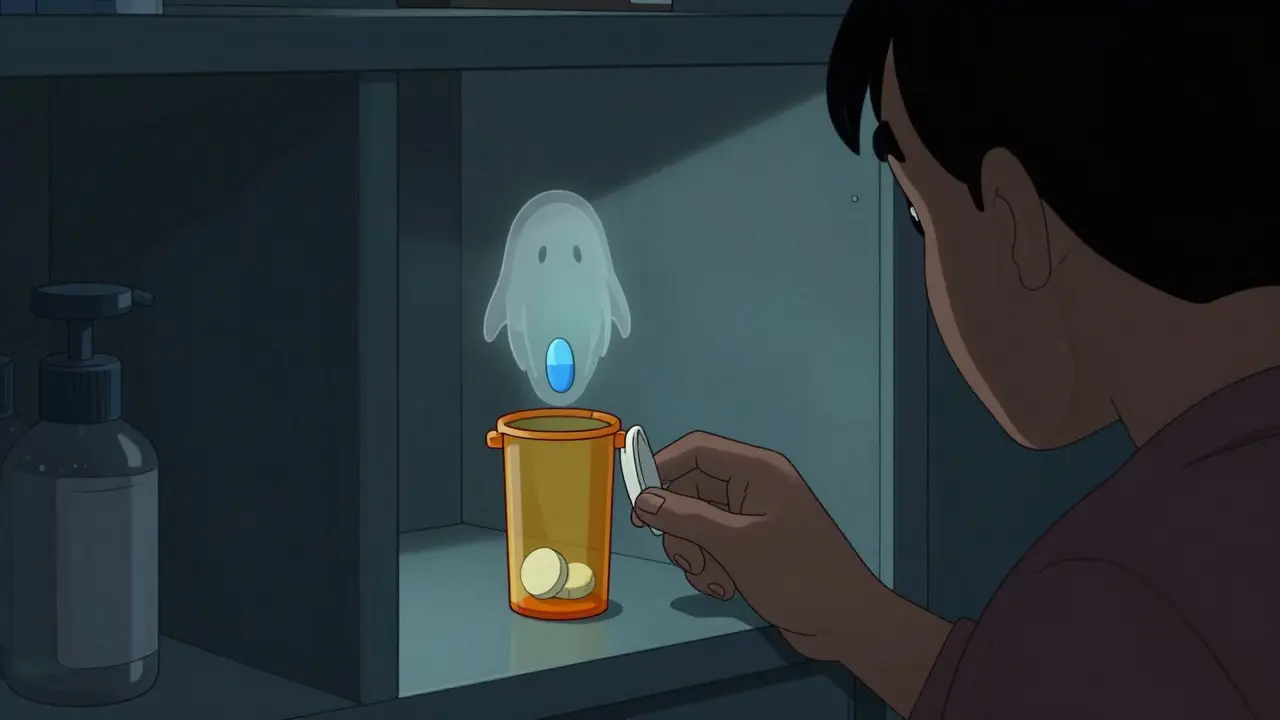
You walk into your local pharmacy, pick up your monthly script, and open the bottle. You expect to see the small blue oval you've taken for years. Instead, you find a white round tablet with different lettering printed on it. Your mind races. Is this the right medicine? Will it work the same way? If you are asking yourself these questions, you aren't alone. Many people pull back from taking medication when the physical appearance changes unexpectedly.
This specific situation usually involves what the industry calls an authorized generic. An authorized generic is defined as an approved brand name drug that is marketed without the brand name on its label. Other than the fact that it does not have the brand name on its label, it is the exact same drug product as the branded product. It is pharmacologically identical to the brand-name product in both active and inactive ingredients. Yet, visually, it often looks quite different. Understanding why manufacturers and regulators allow this helps put your mind at ease and ensures you trust the treatment you take.
How Authorized Generics Differ from Regular Generics
To understand the visual discrepancy, you need to know how these medications enter the market. A regular generic drug goes through a separate approval process known as the Abbreviated New Drug Application. Manufacturers must prove their version works just like the original. However, an authorized generic bypasses much of this because it is literally the same product coming from the same factory lines as the brand-name version.
The distinction matters for safety. Regular generics might look completely different because different companies make them using different recipes for the non-active parts. Authorized generics come from the brand manufacturer themselves. Sometimes, they sell it directly; other times, they license it to another company. Because the manufacturing process is identical, the chemical makeup inside the pill is essentially a clone. The only things allowed to change are the packaging, the label, and the visual design of the tablet itself.
Trademark Law Forces Visual Differences
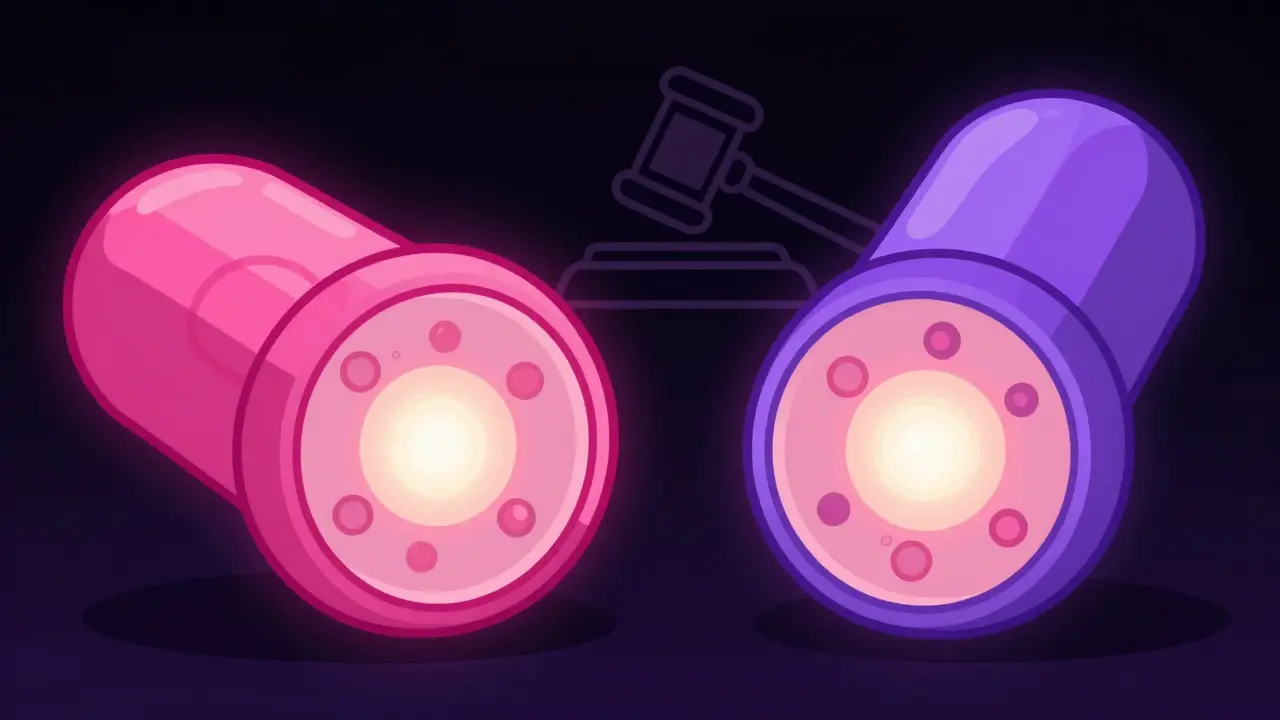
If the medicine inside is the same, why can't the outside look the same? The answer lies in legal protections rather than medical science. In the United States, pharmaceutical trademarks protect the unique look of a brand-name product. This includes the shape, color, and imprint. The law prevents any other entity, including the brand maker selling under a generic label, from copying that identity exactly.
Trademark Law. U.S. trademark laws prevent any drug product from looking identical to another, requiring sufficient visual differentiation to avoid consumer confusion, even when the products are pharmacologically identical. This regulation ensures that a patient never accidentally picks up two versions thinking they are distinct brands, which could lead to double-dosing.
Data shows this isn't a minor tweak. Analysis indicates that 76.4% of authorized generics have different coloration from the brand-name drug. Almost 90% feature different imprints or markings. These changes happen during the final coating stage. The manufacturer might slightly alter the concentration of dyes or change the mold used for the tablet shape to satisfy legal requirements while keeping the active ingredient untouched.
Safety Regulations and the FDA Role
The regulatory body overseeing this is the Food and Drug Administration. Their priority is preventing medication errors. If every drug looked exactly like every other version, a patient might confuse one life-saving dose with another. To mitigate this risk, the agency sets rules for labeling and identification.
Food and Drug Administration. The FDA maintains official lists of approved drugs, including specific guidelines for human prescription drug labeling to ensure unique identifying features. Their guidance documents state that appearance differences between authorized generics and brand-name drugs are required to prevent medication errors. Even though the therapeutic effect is the same, the FDA requires enough visual distinction so that a pharmacist or patient can tell them apart instantly.
This creates a balancing act. The goal is to keep the medicine effective (identical active ingredients) but distinguishable (different look). Studies confirm that in over 98% of cases, the size and shape remain nearly the same, but the color and text change enough to comply with safety standards. For example, a pink pill might become light purple, or a triangular shape might gain a scoring line down the middle.
Active and Inactive Ingredients Remain Identical
Perhaps the biggest concern for patients is whether the "filler" ingredients have changed. Regular generics often switch out binders or fillers to cut costs. Authorized generics do not face this issue. Because they are produced under the original New Drug Application, they use the exact same formula as the brand-name drug.
Inactive Ingredients. Also known as excipients, these are non-active components like fillers, binders, and dyes that affect the tablet's stability and appearance. This is crucial for sensitive patients. Clinical studies suggest that roughly 4.7% of patients react to different inactive ingredients found in regular generics. If you had trouble with a standard generic before, an authorized generic offers a safer alternative because the internal chemistry hasn't shifted.
Manufacturers can adjust dye concentrations by no more than 0.05% to meet color differences without affecting the therapeutic properties. This tiny margin ensures that the bioavailability remains consistent with the original brand product you trusted previously.
| Feature | Brand-Name Drug | Authorized Generic | Regular Generic |
|---|---|---|---|
| Manufacturer | Original Innovator | Same as Brand | Different Company |
| Active Ingredient | Standard Formula | Identical | Equivalent |
| Appearance | Proprietary Design | Modified (Color/Mark) | Often Completely Different |
| Price Cost | Highest ($478 avg) | Moderate ($341 avg) | Lowest ($276 avg) |
| Regulatory Path | New Drug App | Uses Original Brand App | Separate Approval |
Pricing and Availability Trends
While the price isn't the only factor, cost plays a big role in why pharmacies push authorized generics. They typically sit between brand-name prices and standard generic prices. On average, the cost savings compared to the brand version is significant, dropping about 28% lower than the full retail price.
Availability varies. Not every brand drug has an authorized generic option. Market analysis suggests only about 38% of brand-name drugs with generic competition actually offer an authorized version. When they are available, they provide a middle ground for patients who want price relief without risking a reaction to new fillers.
Managing Patient Confusion and Questions
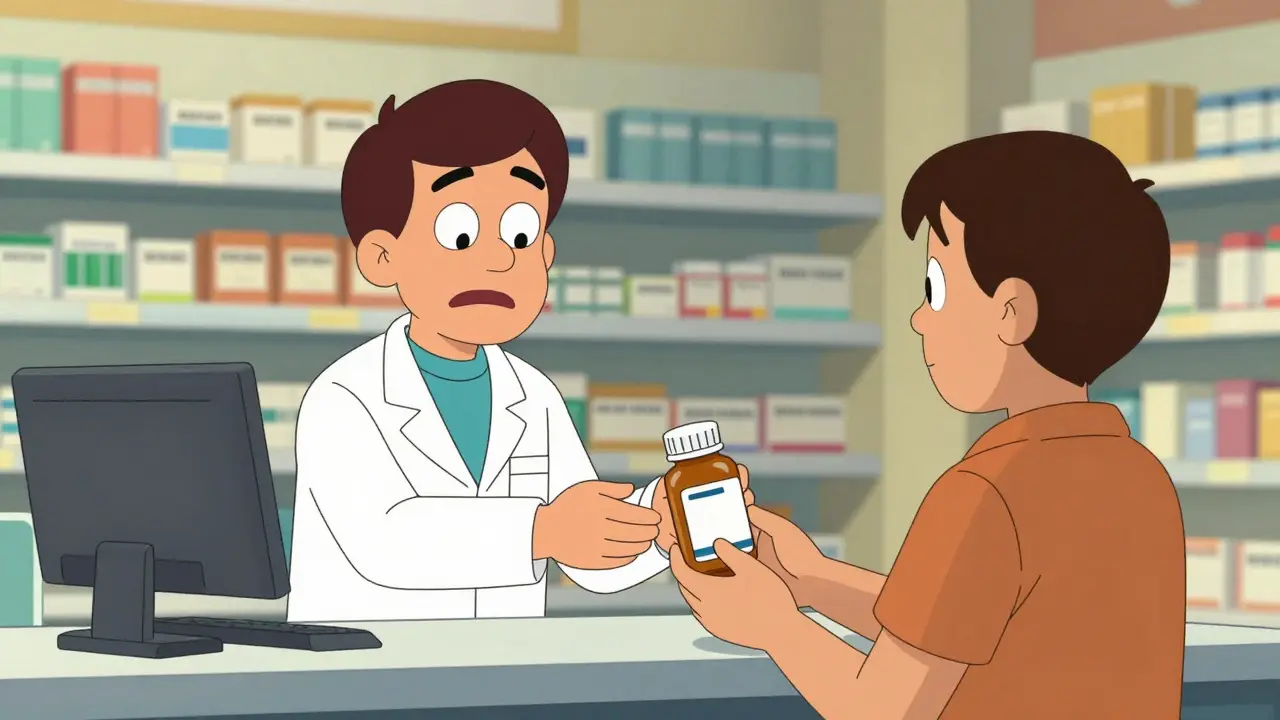
It is common to feel hesitant when you open a box and see a strange-looking pill. Surveys show that nearly 70% of users report initial confusion when receiving an authorized generic. This doesn't mean there is a defect; it means you are encountering the visual safeguards described above.
Your pharmacist is trained to handle this. They spend time explaining these changes, noting that the different color satisfies trademark laws. If you are still unsure, compare the package insert. The active ingredient name (like Levothyroxine or Lisinopril) should match exactly. The National Library of Medicine's Orange Book tracks many of these listings, though authorized generics often appear under the brand's listing code.
Frequently Asked Questions
Is an authorized generic safe to take?
Yes, authorized generics are considered safe and therapeutically equivalent. They contain the exact same active and inactive ingredients as the brand-name product, differing only in packaging and minor visual characteristics required by law.
Why does the color of my pill change?
The color changes to comply with trademark laws. Manufacturers cannot release a product that looks identical to their own brand version when sold under a generic label. A slight color shift ensures consumers do not confuse the two products.
Are the inactive ingredients different?
No. Unlike regular generics which may change fillers or binders, authorized generics use the identical formulation and excipients as the original brand-name drug, making them ideal for patients sensitive to inactive components.
Do I need to ask for an authorized generic specifically?
Usually, insurance plans direct you toward the lowest cost option first. However, you can discuss alternatives with your doctor or pharmacist if you prefer the formulation quality of an authorized generic over a standard generic.
Can I tell the difference between brand and authorized generic easily?
Visually, yes. While the size and shape often remain the same, the color and imprinting (letters on the pill) are always different to meet legal requirements for distinct identification.
Next Steps and Practical Advice
When you next collect your prescription, take a moment to inspect the bottle. If you spot a different colored pill, remember the logic behind it. Check the label for the drug name to ensure it matches your doctor's order. Speak openly with your pharmacist if you feel uneasy; they can verify the lot numbers and explain exactly which company produced that batch.
Knowing that authorized generics bridge the gap between high-cost brands and variable-quality third-party generics empowers you to make informed health decisions. Whether you choose the blue brand pill or the white authorized version, the active medicine working to help your body remains reliably the same.



Comments
tyler lamarre
March 28, 2026 AT 13:20 PMPeople really freak out over paint jobs on tablets like it's a crime scene. It's the exact same molecule inside whether it's dyed blue or beige. If you needed a pharmacist to explain basic chemistry then you were already failing health class. Stop treating medication like magical artifacts that need ritualistic consistency.
gina macabuhay
March 28, 2026 AT 18:50 PMIt is absolutely infuriating how lazy patients are regarding their own safety protocols. You expect the government to hold your hand through every single bottle refill process. Just read the label like an adult before screaming about arbitrary colors. Your ignorance puts everyone at risk unnecessarily.
walker texaxsranger
March 30, 2026 AT 06:58 AMthey change the color because they want to track who buys what. FDA guidelines are just corporate mandates wrapped in safety speak. real medicine is natural stuff not factory sludge anyway. big pharma controls the supply chain completely. none of us can truly trust these pills regardless of the label. you should question why brands spend millions on marketing instead of research. trust no label unless verified by independent sources outside the system
Monique Ball
March 31, 2026 AT 23:56 PMI actually work in pharmacy distribution so this makes total sense!!! It is frustrating when people panic over small details. The active ingredient is exactly the same thing inside. They just have to change the dye slightly for legal reasons. Trademark laws require a distinct look for safety purposes too. You cannot have two identical looking drugs sold under different names easily. The FDA forces manufacturers to ensure visual differentiation exists always. This protects patients from accidental overdose errors potentially. I know it looks scary when you open the bottle at home. But please remember that the chemistry is identical fundamentally. My boss told me the exact recipe comes from the same line. Even the fillers stay the same in authorized generic versions. Regular generics might swap out binders for cheaper options sometimes. Authorized ones keep everything consistent just with a new coat. It saves money without sacrificing quality control standards. Trust the system designed by experts instead of guessing blindly. Everyone should feel safer knowing how the rules protect them. You are getting the exact drug you originally paid for previously. So please stop worrying about the color change on the surface! 💊✅✨
Shawn Sauve
April 2, 2026 AT 16:44 PMThis information is really helpful for understanding the situation.
Sarah Klingenberg
April 2, 2026 AT 21:07 PMTotally valid points here especially regarding the confusion factor for patients. Thanks for sharing this perspective. It helps to normalize these changes so people don't stress.
Austin Oguche
April 4, 2026 AT 08:22 AMThe distinction is legally mandated rather than medically necessary which explains the friction observed. One must understand trademark law implications here. Compliance ensures unique identification features across retail channels.
Eva Maes
April 5, 2026 AT 02:58 AMThe branding strategy is clearly more influential than the clinical data in driving consumer perception here. Visual identity dictates purchase behavior more than actual efficacy metrics do. It's a fascinating intersection of law and psychology.
Debra Brigman
April 5, 2026 AT 11:24 AMIdentity is constructed through visual signifiers even when essence remains unchanged. We cling to the form because the form promises us continuity in a chaotic world. The pill becomes a talisman rather than mere chemistry.
Monique Louise Hill
April 7, 2026 AT 08:39 AMSafety first always! 💊🙏 You guys need to trust the process more though! 🌟 Don't let fear rule your health choices! ✨
Sophie Hallam
April 8, 2026 AT 06:40 AMI appreciate that we can discuss this openly without blaming anyone for the confusion. Understanding helps us move forward together calmly. Let's focus on the facts presented.