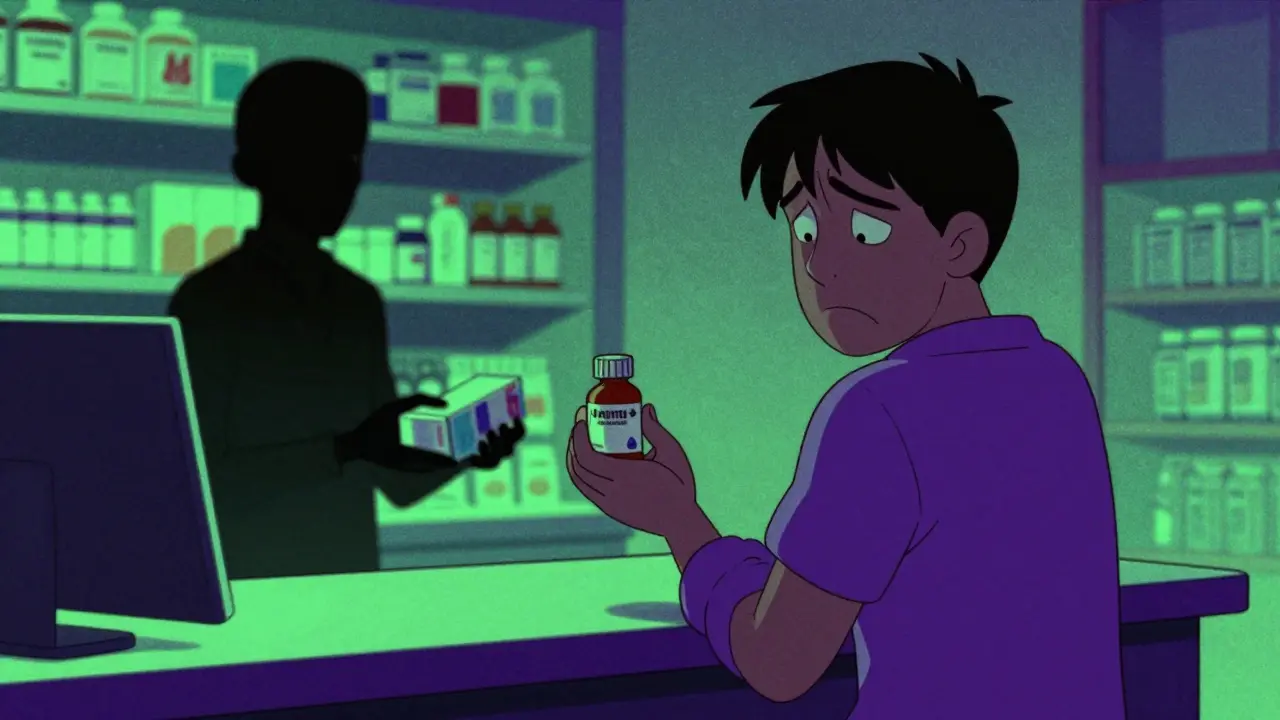
Imagine this: you’re at the pharmacy counter. The pharmacist hands you a box of medicine that looks different from what your doctor prescribed last time. It’s cheaper, it has a different name, but the pharmacist swears it works exactly the same. You’ve heard this before with adult medications, but when it comes to your child, doubt creeps in. Is it safe? Will it taste as bad? Does it actually work?
This is where pediatric education meets real-world parenting. While most school-based drug education focuses on substance abuse prevention and general safety-teaching kids not to touch unknown pills or misuse prescriptions-the conversation about generic drugs often happens at home. Understanding what these medicines are, how they differ from brand-name versions, and how to talk to your child about them is crucial for every parent.
What Are Generic Drugs Anyway?
Let’s clear up the confusion first. A generic drug is a medication made after the patent on a brand-name drug expires, containing the same active ingredient, strength, dosage form, and intended use as the original brand-name product. Think of it like store-brand cereal versus name-brand cereal. The ingredients are identical; only the packaging and price change.
The Food and Drug Administration (FDA) requires generic drugs to be bioequivalent to their brand-name counterparts. This means they must deliver the same amount of active ingredient into a patient’s bloodstream within the same timeframe. For children, whose bodies metabolize medications differently than adults, this consistency is vital. However, while the active ingredient is the same, inactive ingredients-like fillers, dyes, or flavorings-can vary between manufacturers.
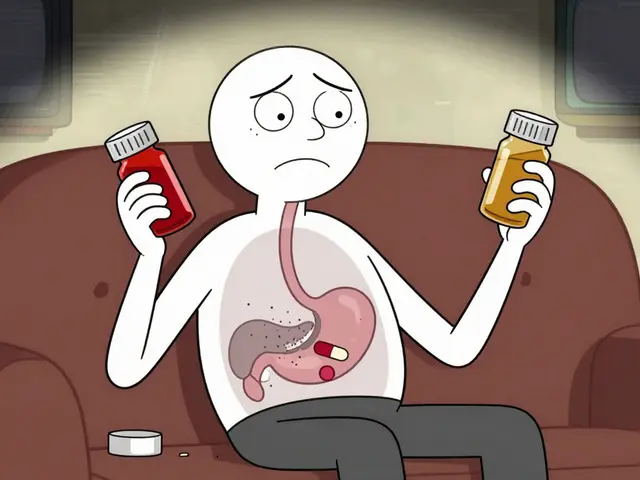
This distinction matters more for kids than adults. A child might tolerate a certain dye in one brand but develop a rash with another generic version. Or, a liquid suspension might taste chalky compared to the fruity brand-name syrup they’re used to. These small differences don’t mean the drug doesn’t work, but they can affect compliance and comfort.
Why Brand Names Feel Safer (But Aren’t Always)
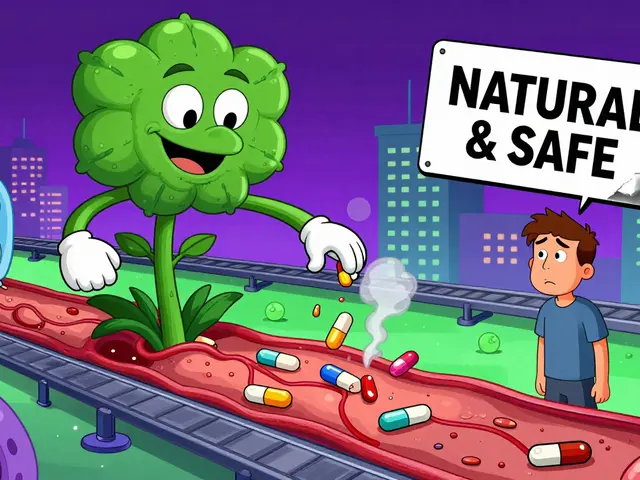
There’s a psychological factor at play here. When we see a familiar logo-like Tylenol or Advil-we feel reassured. We trust the marketing, the color scheme, even the bottle shape. This is called the "brand effect." Studies show patients often report better outcomes with brand-name drugs simply because they expect them to work better, even when the chemical composition is identical.
In pediatrics, this bias runs deep. Parents spend hours researching, reading forums, and asking friends. If someone says, “The generic didn’t work for my son,” it sticks. But anecdotal evidence isn’t data. Most reported failures stem from two issues: switching between multiple generic manufacturers (which changes inactive ingredients) or improper administration (like not shaking the suspension well enough).
Dr. Sarah Chen, a pediatrician in Seattle, notes: “I see parents panic when the pharmacy switches brands. I always explain that the FDA rigorously tests generics. The issue is usually expectation, not efficacy.”
Talking to Your Child About Medicine Changes
Kids notice everything. If you suddenly hand them a blue pill instead of a red one, or if the cough syrup smells different, they’ll ask questions. How you respond shapes their understanding of healthcare for years to come.
- Be honest but simple. Say, “This medicine helps your body fight the virus. It’s made by a different company, but it has the same healing power.” Avoid complex terms like “bioequivalence” unless they’re older teens.
- Acknowledge sensory differences. If the taste is worse, validate their feelings. “I know it tastes yucky. Let’s take it with a spoonful of applesauce.”
- Emphasize routine. Children thrive on predictability. Keep the timing consistent, even if the bottle looks new.
- Involve them in the process. For older kids, let them read the label together. Point out the active ingredient. Show them how it matches the prescription slip.
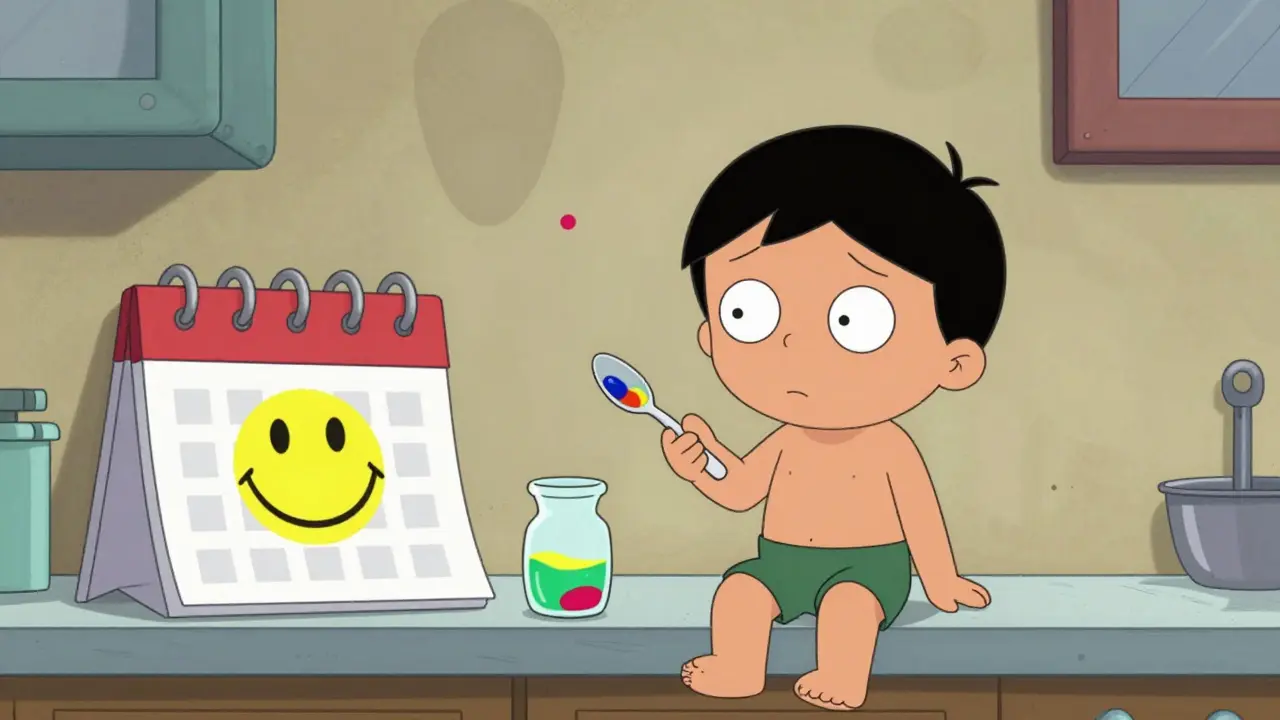
For toddlers, use visual aids. Draw a smiley face on the calendar for each day they take their medicine. Turn it into a game. The goal is to build trust in the treatment, not fear of change.
Safety First: Teaching Medication Hygiene
While discussing generics, never lose sight of broader medication safety. According to the American Association of Poison Control Centers, over 60,000 calls involve children under six ingesting medications accidentally. Education starts early.
Here’s what experts recommend:
- Store meds out of reach. Use lockboxes or high shelves. Never leave pills on nightstands or counters.
- Use child-resistant caps. And keep them closed tightly. Many parents forget to re-engage the safety mechanism.
- Label everything clearly. Remove original containers if transferring to travel bottles. Write the dose and date.
- Dispose of expired meds properly. Don’t flush them down the toilet unless instructed. Take them to pharmacy drop-off bins.
- Teach “ask first” rules. From age four, instruct kids: “If you find something that looks like candy but isn’t, tell an adult immediately.”
Programs like Generation Rx’s “Medication Safety Patrol” offer free, age-appropriate activities for K-5 students. They teach children to recognize medicine bottles, understand labels, and resist peer pressure around substances. These resources are invaluable for building lifelong habits.
When Generics Might Not Be Ideal
Though rare, there are exceptions where sticking to brand-name may be medically justified. Narrow therapeutic index (NTI) drugs require precise blood levels. Examples include levothyroxine (for thyroid conditions), phenytoin (for seizures), and warfarin (blood thinner). Switching between brands-even generic ones-can cause fluctuations in concentration.
If your child takes an NTI medication, consult their specialist before switching. Some doctors prefer maintaining the same manufacturer to ensure stability. In such cases, insurance may cover the brand name with prior authorization.
Also consider allergies. If your child reacts to a specific dye or filler in a generic version, request an alternative formulation. Pharmacists can often source a different generic supplier or switch back to the brand.
| Feature | Brand-Name Drug | Generic Drug |
|---|---|---|
| Active Ingredient | Identical | Identical |
| Price | Higher (often 10x more) | Lower (80-85% savings average) |
| Appearance | Consistent branding, colors, shapes | Varies by manufacturer |
| Inactive Ingredients | Fixed formula | May vary between manufacturers |
| FDA Approval | Full clinical trials required | Bioequivalence testing required |
| Best For | Patients sensitive to excipients, NTI drugs | Most chronic and acute conditions |
Empowering Teens: Beyond Compliance
As children grow into teenagers, the conversation shifts from obedience to autonomy. Teens begin managing their own medications-birth control, ADHD stimulants, asthma inhalers. This is the perfect time to introduce critical thinking about pharmaceuticals.
Discuss how drugs are developed, tested, and regulated. Explain why generics exist: to increase access and reduce costs. Highlight the role of pharmacists as trusted advisors. Encourage questions: “Why did my doctor choose this brand?” “Can we try a generic next time?”
Resources like NIDA’s “The Science of Addiction” curriculum help adolescents understand neurobiology, risk factors, and decision-making. While focused on illicit substances, the framework applies equally to prescription misuse. Teach them that respecting medication boundaries protects their health long-term.
One powerful tool? Involve them in cost-saving decisions. Show them the price difference between brand and generic. Let them calculate annual savings. Frame it as financial literacy. Many teens appreciate being treated as responsible partners in care.
Working With Your Healthcare Team
Your pharmacist is your best ally. They review interactions, check for allergies, and can suggest alternatives if a generic causes issues. Don’t hesitate to ask:
- “Is this generic equivalent to the brand?”
- “Are there any known reactions to the inactive ingredients?”
- “Can we stick with one manufacturer for consistency?”
Pediatricians also play a key role. During well-child visits, bring up any concerns about medication tolerance. Document adverse reactions-not just side effects, but behavioral changes, sleep disturbances, or appetite shifts. Patterns matter.
If your child struggles with adherence due to taste or texture, explore compounding pharmacies. They can customize formulations-flavoring, dissolving tablets, creating sprays-to improve acceptance without compromising potency.
Building Long-Term Health Literacy
Education about generic drugs isn’t just about saving money. It’s about fostering informed citizenship. Children who understand how medications work become adults who advocate for themselves and others. They question misinformation, verify sources, and engage meaningfully with healthcare providers.
Start small. Read labels together. Watch educational videos from reputable sources like CDC or AAP. Discuss news stories about drug recalls or shortages. Make health literacy part of daily life, not a crisis response.
Remember: knowledge reduces anxiety. When you understand why generics are safe, effective, and essential, you model confidence for your child. That confidence translates into better outcomes, fewer errors, and stronger partnerships with medical professionals.
Are generic drugs as effective as brand-name drugs for children?
Yes. Generic drugs contain the same active ingredient, strength, and dosage form as brand-name drugs. The FDA requires them to be bioequivalent, meaning they perform identically in the body. Any perceived difference in effectiveness is usually due to expectations or variations in inactive ingredients, not the medicine itself.
Can generic drugs cause allergic reactions in kids?
Rarely, yes-but typically to inactive ingredients like dyes or fillers, not the active drug. If your child develops a rash, swelling, or breathing difficulty after starting a generic, contact your doctor immediately. They may switch to a different manufacturer or return to the brand-name version.
How do I explain generic medicine to my young child?
Use simple analogies. Compare it to buying store-brand juice-it tastes slightly different but still gives you energy. Reassure them it’s still medicine that helps them feel better. Focus on routine and positive reinforcement rather than technical details.
Should I avoid generics for narrow therapeutic index drugs?
Consult your specialist. For drugs like levothyroxine or phenytoin, even small changes in absorption can affect treatment. Some doctors prefer keeping the same manufacturer to maintain stable blood levels. Insurance may cover brand names in these cases with prior approval.
Where can I find reliable resources for teaching kids about medication safety?
Generation Rx offers free, age-specific lesson plans for K-12 students. The CDC provides guides on storing and disposing of medications safely. The American Academy of Pediatrics publishes articles on pediatric pharmacology. All are vetted by medical professionals and updated regularly.