
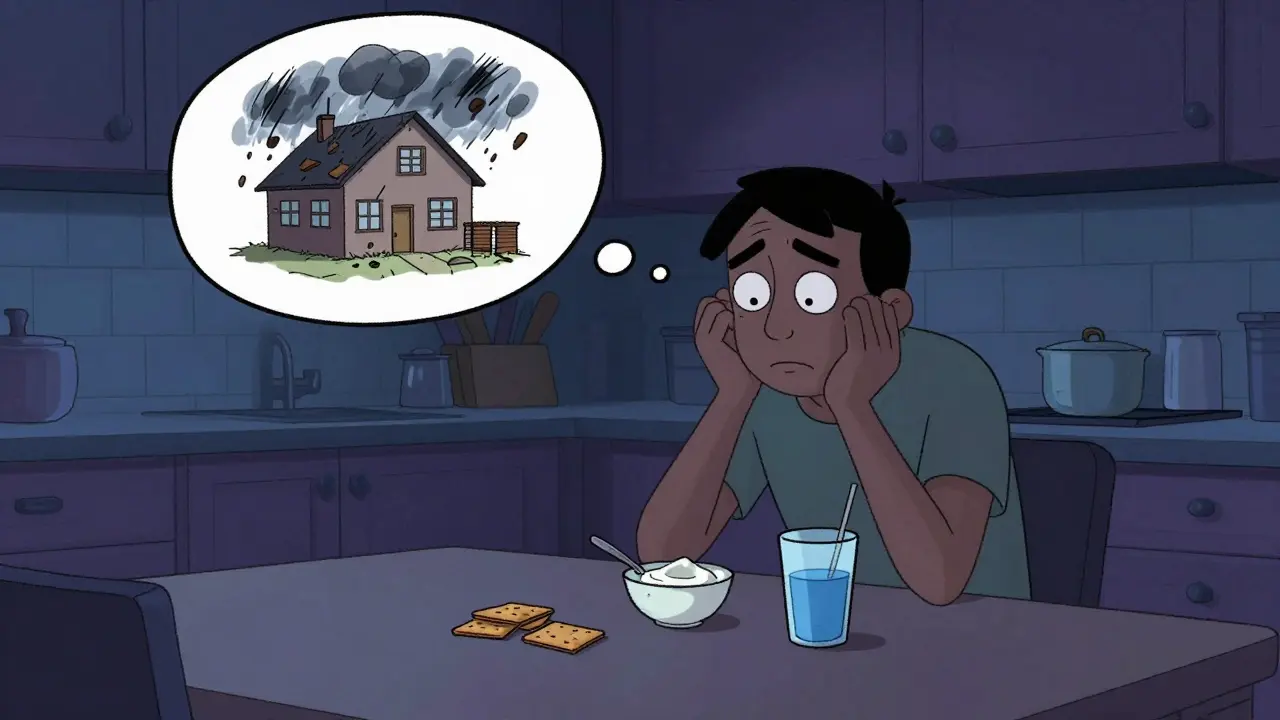
Chemotherapy is tough on the body. It’s designed to kill fast-growing cells, but it doesn’t always distinguish between cancer cells and the healthy ones lining your gut or hair follicles. For many patients, the biggest hurdle isn’t just the treatment itself-it’s staying fueled while dealing with side effects like relentless nausea, metallic tastes, and rapid weight loss. You might feel like you’re eating constantly yet still losing pounds, or perhaps the thought of food makes you gag. This is common, but it’s not something you have to accept as inevitable.
The goal during chemotherapy isn’t about "clean eating" or following a trendy diet trend. It’s about survival and strength. Your body needs extra energy and protein to repair tissues and keep your immune system working. According to recent guidelines from the European Society for Clinical Nutrition and Metabolism (ESPEN), published in their 2023 Clinical Nutrition in Cancer guideline, malnutrition affects up to 80% of cancer patients. That’s a staggering number, but it also means there are proven strategies to fight back. This guide breaks down exactly how to eat when you don’t want to, how to stop the nausea before it starts, and how to keep your weight stable so you can finish your treatment strong.
Why Your Body Needs More Than Just "Healthy Food"
If you’ve been told to "eat your vegetables" and "cut out sugar," you might be frustrated right now. Those rules apply to preventing disease in healthy people. When you’re undergoing active chemotherapy, the rules change completely. Your body is under immense stress, burning calories faster than usual just to maintain basic functions.
Think of your body like a house being renovated while a storm rages outside. You need more materials (protein) and more power (calories) to keep the lights on and the walls standing. The American Cancer Society notes that your caloric needs can increase by 20-30% during active treatment. That means if you usually need 2,000 calories a day, you might need 2,500 to 2,600. Protein requirements jump even higher. While a healthy adult needs about 0.8 grams of protein per kilogram of body weight, chemotherapy patients often need 1.2 to 2.0 grams per kilogram. That’s nearly double the standard amount.
Ignoring these increased needs leads to muscle wasting. You lose lean body mass, which weakens your heart, lungs, and immune system. This isn’t about vanity; it’s about tolerating your next dose of chemo without severe complications. Dr. Lisa C. Hutchins, a Board Certified Specialist in Oncology Nutrition, emphasizes that this extra protein is non-negotiable for maintaining nitrogen balance. If you’re losing weight despite eating, you aren’t eating enough of the right things-or you’re losing nutrients due to side effects like diarrhea. Either way, tracking your intake becomes a medical necessity, not a hobby.
Taming Nausea: Timing and Texture Matter
Nausea is one of the most debilitating side effects of chemotherapy. It can make the idea of eating feel impossible. But skipping meals because you’re nauseous often makes the nausea worse. An empty stomach produces acid that irritates the lining, creating a vicious cycle. The key is to manage your stomach’s capacity and sensitivity.
The National Cancer Institute (NCI) recommends shifting from three large meals to five or six small snacks throughout the day. Aim for 300-400 calories per sitting. Large meals stretch the stomach, which triggers nausea signals to the brain. Small bites are easier to handle. Try to eat something bland every two hours, even if it’s just a few crackers or a spoonful of yogurt.
What you eat matters just as much as how much. Greasy, high-fat foods sit in the stomach longer and slow digestion, which exacerbates nausea in over 70% of patients, according to the Academy of Nutrition and Dietetics. Avoid fried chicken, heavy cream sauces, and fatty cuts of meat. Instead, opt for dry, bland carbohydrates. Toast, plain rice, bananas, and applesauce are classic choices for a reason-they work.
Liquids can also be tricky. Drinking water with meals fills up your stomach quickly, leaving less room for solid food and potentially triggering vomiting. Try to drink fluids *between* meals, at least 30 minutes before or after eating. Sip slowly rather than gulping. If water tastes bad or smells off, try cold drinks with a straw. Straws bypass some of the taste buds at the back of your tongue, which can help if you’re experiencing dysgeusia (taste distortion). Ginger is another powerful tool. Studies show ginger chews or tea can reduce nausea significantly. Keep them handy in your bag, car, and bedside table.
Fighting Weight Loss: Calorie-Dense Strategies
Weight loss during chemotherapy is dangerous. It weakens your ability to recover and increases the risk of infection. If you’re losing weight, you need to add calories without adding volume to your stomach. This means choosing calorie-dense foods. Every bite should count.
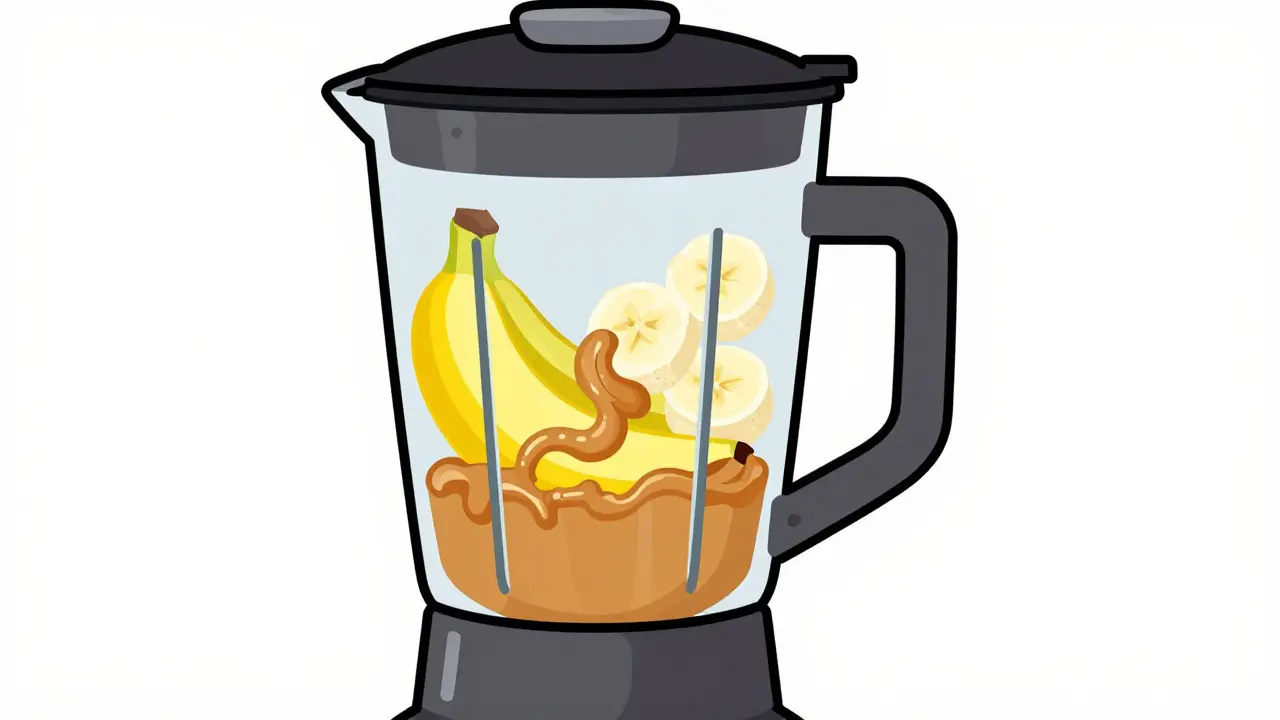
Add fats to everything. Fats provide 9 calories per gram, compared to 4 calories per gram for protein and carbs. Stir olive oil into mashed potatoes. Add avocado slices to sandwiches. Use full-fat Greek yogurt instead of low-fat versions. Peanut butter is a goldmine here-a single tablespoon has about 90 calories and 4 grams of protein. Spread it on toast, mix it into oatmeal, or blend it into smoothies.
Smoothies are your best friend when chewing feels like too much effort. They allow you to pack a massive amount of nutrition into a small liquid volume. Here’s a simple formula:
- Base: Whole milk or fortified plant milk (higher calorie than skim).
- Protein: Full-fat Greek yogurt or a scoop of whey protein powder.
- Calorie Booster: Peanut butter, almond butter, or coconut oil.
- Sweetener: Honey or maple syrup (easy to digest sugars).
- Flavor: Banana or berries (mild flavors that mask metallic tastes).
A single smoothie made with these ingredients can easily hit 500-700 calories and 20+ grams of protein. Drink it slowly over an hour. If fresh fruit smells too strong, try frozen fruit or canned fruit in juice (not syrup, which can cause diarrhea). Cold foods often have less aroma, making them easier to tolerate when smell triggers nausea.
If you’re struggling to meet your protein goals through food alone, consider supplements. Products like Ensure Plus or Boost Very High Calorie provide concentrated nutrition. However, they can be expensive. A cost-effective alternative is homemade shakes using the ingredients above. If you’re unsure what to choose, ask your care team about medical foods like Juven, which contains HMB (beta-hydroxy beta-methylbutyrate), a compound shown to help preserve muscle mass in cancer patients.
Food Safety: Protecting Your Immune System
Chemotherapy lowers your white blood cell count, leaving you vulnerable to infections. Foodborne illnesses that might give a healthy person a mild stomach ache can be life-threatening for you. This period requires strict adherence to food safety protocols, often referred to as a "neutropenic diet."
You must avoid raw or undercooked meats, fish, and eggs. Salmonella and E. coli risks are real. Cook poultry to an internal temperature of 165°F (74°C) and beef to at least 160°F (71°C). Eggs must be fully cooked-no runny yolks. This means avoiding homemade mayonnaise, Caesar dressing, or tiramisu, which often contain raw eggs. Stick to pasteurized products.
Wash all fruits and vegetables thoroughly. If possible, peel them yourself. Raw sprouts (alfalfa, clover, radish) should be avoided entirely, as bacteria can penetrate the seed coating and survive washing. Unpasteurized dairy products, including soft cheeses like brie or feta unless labeled pasteurized, should also be off-limits. When in doubt, cook it or peel it.
This level of caution might feel restrictive, but it’s temporary. Once your blood counts recover, you can gradually reintroduce these foods. Until then, protecting your gut from harmful bacteria is crucial to avoiding hospitalizations for infections.
Managing Specific Side Effects: Taste Changes and Mouth Sores
Chemotherapy can alter your sense of taste, a condition known as dysgeusia. Many patients report a persistent metallic taste in their mouth, especially with red meat. This can make nutritious proteins unappealing. Don’t force yourself to eat steak if it tastes like pennies. Switch to other protein sources like chicken, turkey, fish, beans, or tofu. These often have milder flavors.
If metal utensils trigger the taste, switch to plastic or bamboo forks and knives. Marinating meats in sweet or tangy sauces (like teriyaki or balsamic vinegar) can help mask metallic flavors. Adding lemon juice or mint to foods can also refresh your palate.
Mouth sores, or mucositis, are another common challenge. Spicy, acidic, or rough-textured foods can cause significant pain. Avoid citrus juices, tomato-based sauces, and crunchy chips. Opt for soft, moist foods like scrambled eggs, cottage cheese, pureed soups, and mashed potatoes. Cold foods can numb the pain temporarily. Sucking on ice chips or eating frozen grapes can soothe sore mouths. If swallowing becomes painful, consult your doctor immediately, as this can lead to dehydration and further weight loss.
When to Seek Professional Help
While these strategies help many patients, everyone’s experience is different. If you’re losing more than 5% of your body weight unintentionally, or if you can’t keep liquids down for more than 24 hours, contact your healthcare team. You may need prescription anti-nausea medications adjusted, or you might benefit from seeing a registered dietitian who specializes in oncology.
Dietitians can create personalized meal plans based on your specific chemo regimen and side effects. They can also help you navigate insurance coverage for nutritional supplements. In severe cases where oral intake isn’t enough, doctors may recommend enteral nutrition (tube feeding) or parenteral nutrition (IV feeding). These are last resorts but can be lifesaving when necessary.
Remember, nutrition during chemotherapy is not about perfection. It’s about progress. Some days you’ll eat well; other days, a few sips of broth might be all you can manage. That’s okay. Be kind to yourself, stay hydrated, and focus on getting enough protein and calories to support your body through this journey.
| Nutrient/Factor | Standard Healthy Adult | During Chemotherapy |
|---|---|---|
| Protein Intake | 0.8 g/kg/day | 1.2-2.0 g/kg/day |
| Caloric Needs | 20-25 kcal/kg/day | 25-30 kcal/kg/day (+20-30%) |
| Meal Frequency | 3 large meals | 5-6 small meals/snacks |
| Fiber Intake | 25-35g/day (high fiber) | 10-15g/day (if diarrhea/nausea present) |
| Food Temperature | Varied | Cold/room temp often better tolerated |
Practical Tips for Daily Implementation
Putting this into practice requires preparation. Here are some actionable steps to integrate into your routine:
- Prep Ahead: On good days, prepare and freeze individual portions of soups, stews, or smoothie mixes. Label them with dates and contents.
- Keep Snacks Visible: Place easy-to-eat snacks like nuts, cheese sticks, or crackers on the counter or coffee table. Out of sight often means out of mind, especially when you’re tired.
- Hydrate Strategically: Keep a water bottle with you at all times. Set reminders to sip every 15 minutes. Add electrolyte packets if you’re having diarrhea or vomiting.
- Track Your Intake: Use a simple notebook or app to log what you eat. This helps you and your care team identify gaps in protein or calories.
- Listen to Your Body: If a certain food suddenly becomes unpalatable, don’t force it. Find an alternative. Flexibility is key.
Support is available. Organizations like the American Cancer Society offer 24/7 helplines and resources like the "Road to Recovery" program, which can connect you with local nutrition support services. You don’t have to do this alone.
Can I follow a vegan diet during chemotherapy?
Yes, but it requires careful planning. Plant-based diets can be high in fiber, which may worsen diarrhea or bloating. Focus on easily digestible proteins like tofu, tempeh, and well-cooked legumes. You may need vitamin B12 and iron supplements, as absorption can be compromised. Consult a dietitian to ensure you’re meeting your higher protein and caloric needs without relying solely on high-fiber whole grains.
What should I do if I lose my appetite completely?
Don’t wait until you’re hungry. Eat on a schedule, even if it’s just a few bites. Liquid calories are often easier to consume than solids. Try high-calorie shakes, broths, or pudding. Light physical activity, like a short walk before meals, can sometimes stimulate appetite. If appetite loss persists, ask your doctor about appetite stimulants.
Is it safe to take herbal supplements during chemo?
Not necessarily. Many herbs interact with chemotherapy drugs, potentially reducing their effectiveness or increasing toxicity. Always clear any supplement, including vitamins and minerals, with your oncologist before taking them. Stick to whole foods for nutrition whenever possible.
How can I deal with a dry mouth?
Dry mouth (xerostomia) can make eating difficult. Choose moist foods like casseroles, stews, and yogurt. Add sauces, gravies, or broth to dry foods. Avoid salty or spicy foods that can irritate. Sip water frequently and use sugar-free gum or lozenges to stimulate saliva production. Artificial saliva sprays are also available.
When should I see a dietitian?
Ideally, before starting chemotherapy. However, it’s never too late. See a dietitian if you’re losing weight, having trouble eating due to side effects, or feeling confused about what to eat. An oncology dietitian can provide personalized advice tailored to your specific treatment and health status.
Comments
Aswin Ashokan
June 8, 2026 AT 02:57 AMtypical western medical advice ignoring traditional wisdom. in india we have centuries of knowledge on managing body stress through diet without these expensive supplements and complex rules. you are just making it complicated for people who already suffer enough.
Wendy Engelmann
June 10, 2026 AT 01:19 AMi really appreciate how this guide breaks down the practical side of things instead of just saying eat healthy. the part about small frequent meals makes so much sense when your stomach is upset. it feels like a lifeline to have concrete steps rather than vague suggestions during such a vulnerable time
Nicholas Bowling
June 10, 2026 AT 10:40 AMwhy does everyone assume food is the answer? my experience was that nothing tasted right no matter what i ate or didn't eat. this whole industry pushes nutrition as if it cures cancer but it doesn't. it just keeps you alive long enough to suffer more. i found peace in letting go of the pressure to perform eating tasks
Lisa Thomas
June 11, 2026 AT 11:10 AMoh my gosh the metallic taste tip with plastic utensils is genius!! i never thought to change my cutlery but switching to bamboo forks made such a huge difference for me. thank you for sharing this specific detail because those little tricks can save your sanity when everything else feels wrong :)
William Storm
June 11, 2026 AT 19:58 PMone must consider the epistemological limitations of such generalized nutritional guidelines; while the caloric metrics provided by ESPEN are statistically significant, they fail to account for the idiosyncratic metabolic variances inherent in individual oncological presentations. furthermore, the reductionist approach to protein synthesis ignores the holistic symbiotic relationship between gut microbiota and systemic immunity which remains largely underexplored in contemporary clinical literature.
Jay Foreman
June 11, 2026 AT 20:10 PMit is absolutely crucial that patients understand the moral imperative of following these guidelines strictly because neglecting one's dietary needs during chemotherapy is essentially an act of self-sabotage against the entire medical team working tirelessly to help them survive. we see too many people ignoring basic hygiene and nutrition protocols leading to preventable infections which places an undue burden on healthcare resources and ultimately compromises their own chance at recovery so please take this seriously and do not be lazy about your health management
Cathy N
June 12, 2026 AT 12:25 PMi always keep peanut butter and smoothie ingredients stocked because days where chewing is impossible are real and having easy calories ready helps immensely. also washing veggies thoroughly is non negotiable when immune system is low. simple stuff but saves trouble later
Roderick Gooden
June 13, 2026 AT 08:38 AMwhile the emphasis on calorie density is certainly valid from a physiological standpoint, it is important to recognize that the psychological burden of forced feeding can sometimes exacerbate the trauma associated with treatment, thereby necessitating a more nuanced approach that balances nutritional adequacy with patient autonomy and emotional well-being, as the rigid adherence to strict macronutrient targets may inadvertently create additional stressors for individuals who are already navigating the profound existential challenges posed by a cancer diagnosis and the rigorous demands of chemotherapy protocols which often require significant adjustments to daily routines and personal preferences regarding food consumption patterns.