HIV Medication & Supplement Interaction Checker
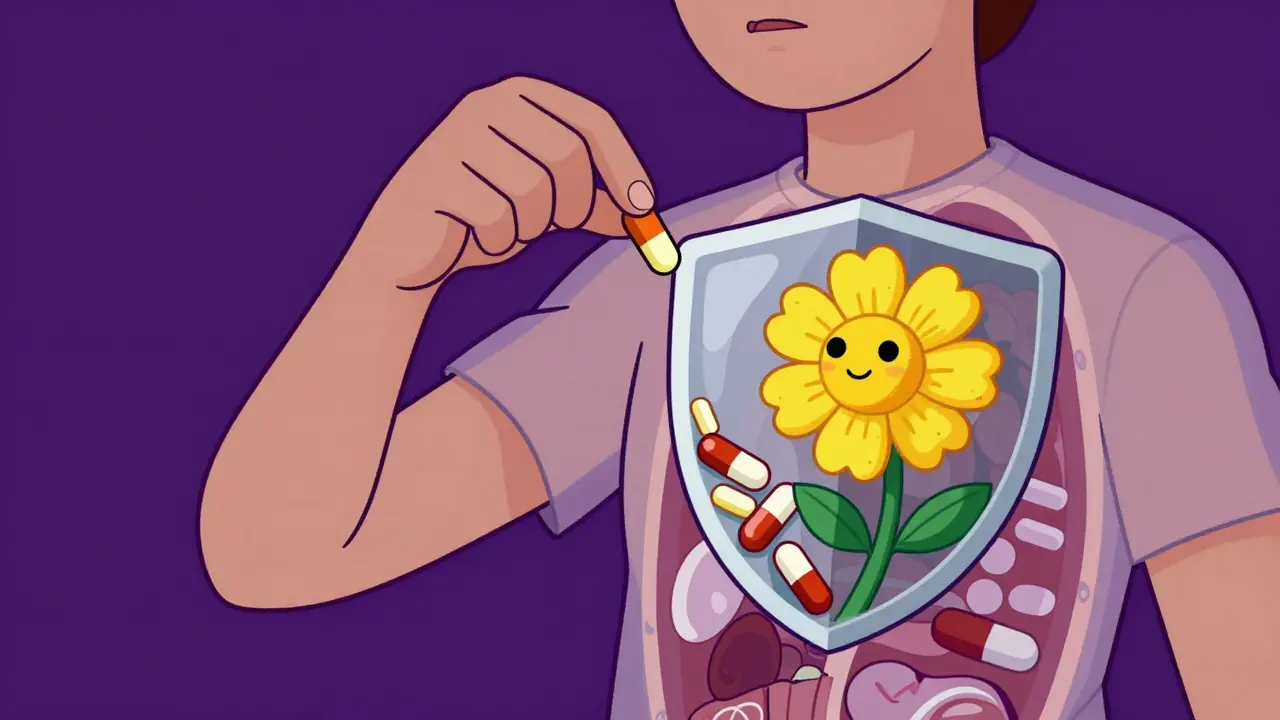
Imagine spending years maintaining a stable health regimen, only for a "natural" supplement to quietly dismantle your progress. For people living with HIV, this isn't a hypothetical fear-it's a clinical reality. The interaction between Protease Inhibitors is a class of antiretroviral medications that block the enzyme HIV protease, preventing the virus from maturing and infecting other cells and a common herbal remedy for depression can lead to what doctors call therapeutic failure. In plain English: the medicine stops working, the virus bounces back, and the risk of developing drug-resistant HIV spikes.
The Hidden Danger of Hyperforin
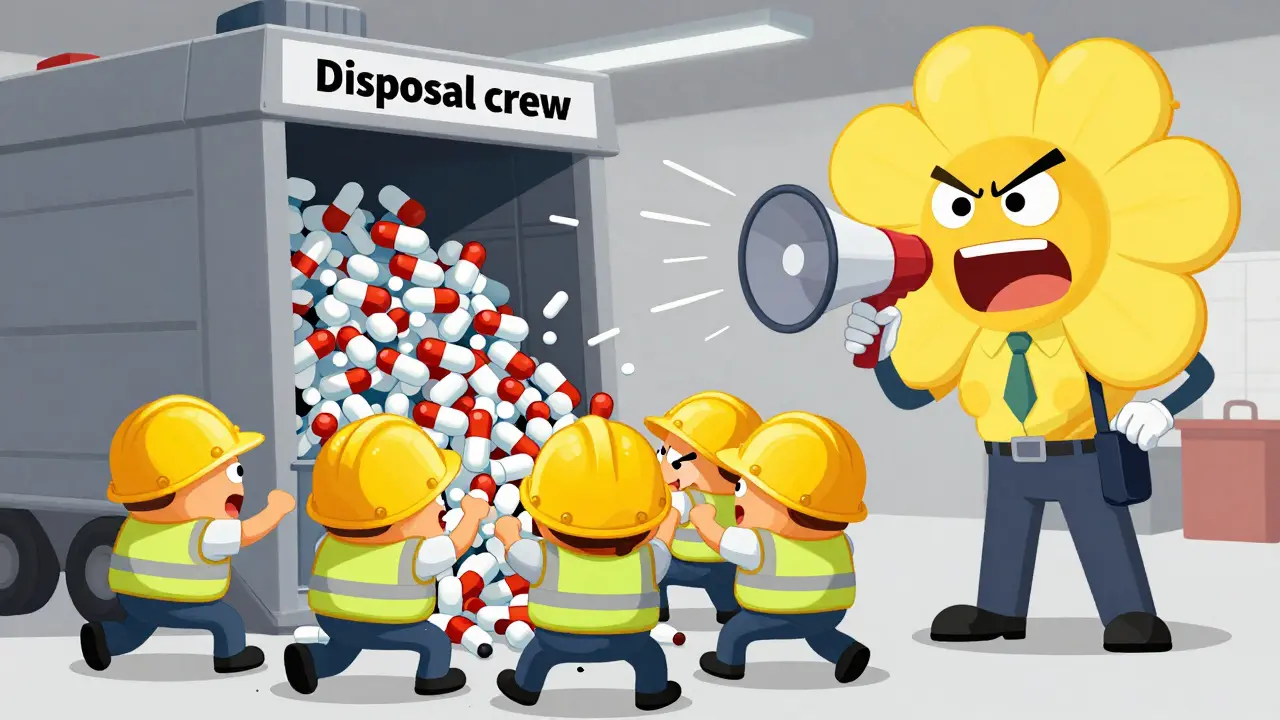
The problem isn't the plant itself, but a specific active component called Hyperforin. This compound is a potent inducer of the CYP3A4 enzyme system in your liver and intestines. Think of CYP3A4 as the body's disposal crew; its job is to break down drugs and clear them from your system. When hyperforin enters the mix, it basically tells your body to hire more "crew members," drastically speeding up the metabolism of your medication.
When you take a Protease Inhibitor, you need a specific concentration of the drug in your blood to keep the virus suppressed. However, because St. John's Wort ramps up the enzyme activity, the drug is flushed out far too quickly. Research has shown that the area under the curve (AUC)-a measure of total drug exposure-for medications like indinavir can drop by 57%, and the peak plasma concentration can plummet by as much as 81%. You're still taking your pills, but your body is erasing them before they can do their job.
Real-World Impact and Treatment Failure
This isn't just about numbers on a lab report; it's about virologic failure. When drug levels drop below a critical threshold, the virus is no longer fully suppressed. This creates a dangerous window where the virus can mutate. If the virus learns how to bypass a drug because the dose was too low, you might lose the effectiveness of that entire class of medication forever.
The stakes are high. Data from a study of over 2,400 patients found that about 8% of those using complementary therapies had detectable hyperforin levels despite being on protease inhibitors. Even worse, roughly 3% of those patients experienced actual virologic failure directly because of this interaction. In the U.S. alone, this translates to tens of thousands of potential cases of treatment failure every year.
| Metric | Standard Formulation Effect | Low-Hyperforin (≤1mg/day) Effect |
|---|---|---|
| Lopinavir AUC Reduction | ~57% Decrease | ~12.3% Decrease |
| Indinavir Peak (Cmax) | Up to 81% Decrease | Significantly Lower Risk |
| Clinical Status | Contraindicated | May be considered (with caution) |
Why You Can't Just "Stop and Start"
One of the biggest misconceptions is that you can just stop taking the herbal supplement and the problem disappears instantly. It doesn't. The enzyme-inducing effect of hyperforin lingers. The University of Liverpool HIV Drug Interactions database warns that the effect persists for at least 14 days after your last dose of St. John's Wort.
This creates a secondary risk. If your doctor increases your dose of Lopinavir/Ritonavir to compensate for the supplement's effect, and then you suddenly stop taking the supplement, your drug levels could spike dangerously high as the "disposal crew" shrinks back to normal size. This is why a managed washout period and viral load monitoring are essential.
Modern Alternatives and Risk Management
The medical community has moved from a blanket "never use this" approach to a more nuanced, risk-stratified strategy. The key is the hyperforin content. Newer, low-hyperforin formulations (containing 1 mg or less per day) do not trigger the same aggressive enzyme induction. In these cases, the reduction in drug levels is often within a range that doesn't compromise the treatment.
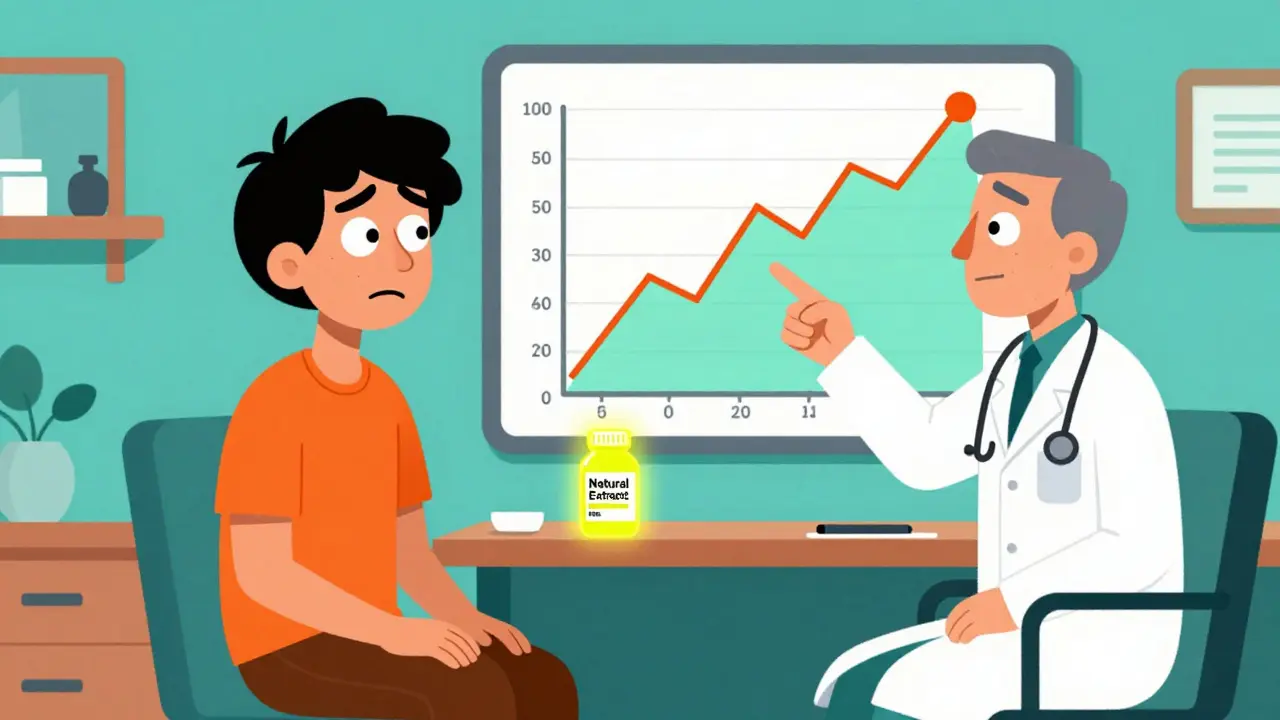
However, there's a catch: the supplement market is loosely regulated. Only about 37% of products accurately disclose their hyperforin levels on the label. If you're relying on a bottle that just says "Natural Extract," you're essentially gambling with your viral suppression.
If you are struggling with depression or anxiety while on HIV medication, there are safer paths. Many clinicians recommend switching to standard antidepressants that don't interact with the CYP3A4 pathway. Always verify any supplement-even vitamins-with a pharmacist or your HIV specialist.
Can I take St. John's Wort if I'm using a low-hyperforin version?
Potentially, but only if the product explicitly states the hyperforin content is 1 mg or less per daily dose. Even then, you must coordinate this with your doctor, as they may need to monitor your viral load more closely to ensure the medication remains effective.
How long does it take for St. John's Wort to leave my system?
While the supplement itself may clear faster, the induction of the CYP3A4 enzymes lasts for at least two weeks. Do not assume your drug levels have returned to normal immediately after stopping the supplement.
Will this interaction happen with all HIV meds?
It specifically targets Protease Inhibitors and Non-Nucleoside Reverse Transcriptase Inhibitors (NNRTIs). If you are on a different class of medication, the risk may differ, but you should still check with a professional.
What are the signs that my medication is failing due to a supplement?
The most definitive sign is an increase in your viral load during a routine blood test. However, because this happens internally, you might feel fine until the virus reaches a level where symptoms reappear or drug resistance develops.
Why is St. John's Wort so dangerous compared to other herbs?
It's not that it's "poisonous," but that it is a powerful "inducer." Most herbs are inert or mildly affect the body, but hyperforin actively changes how your liver processes a huge variety of critical medications, making it one of the most clinically significant herbal interactions known.
Next Steps for Patients and Caregivers
If you or a loved one are currently taking both a protease inhibitor and St. John's Wort, don't panic, but act quickly:
- Don't stop abruptly without a plan: While stopping the supplement is usually the goal, doing so without medical supervision can lead to a sudden spike in drug levels.
- Audit your supplements: Check every bottle for "Hypericum perforatum" or hyperforin content.
- Request a viral load test: This is the only way to know for sure if the interaction has already affected your treatment.
- Discuss alternatives: Ask your doctor about SSRIs or other antidepressants that don't affect the CYP3A4 enzyme system.