

For decades, losing weight meant buying a diet book or joining a gym with questionable promises. That era is over. In 2026, medical weight management has shifted from a lifestyle luxury to a critical component of chronic disease care. The American College of Cardiology (ACC) released its 2025 Concise Clinical Guidance on medical weight management for optimization of cardiovascular health in June 2025, cementing the view that obesity is a treatable medical condition, not a moral failing. This isn't about vanity; it's about survival. We are talking about preventing heart attacks, reversing type 2 diabetes, and extending life expectancy through evidence-based clinical interventions.
If you have struggled with your weight for years, you might feel discouraged by past failures. But the landscape has changed dramatically. With new medications, specialized clinics, and updated monitoring protocols, the path to sustainable weight loss is clearer than ever. Here is what you need to know about navigating this new medical reality.
The Shift to Chronic Disease Care
The biggest change in medical weight management is how doctors view obesity. Since 2013, the American Medical Association has recognized obesity as a chronic disease. By 2025, this understanding had permeated clinical guidelines. Dr. Chiadi Ndumele, Chair of the ACC Expert Consensus Committee, stated clearly in June 2025 that "obesity should be treated with the same diligence as hypertension or diabetes."
What does this mean for you? It means ongoing monitoring and treatment adjustments, just like any other long-term condition. You won't be handed a pamphlet and told to "eat less." Instead, you will enter a structured program involving pharmacological therapies, medical nutrition therapy, and behavioral interventions. The goal is clinically significant weight loss-defined as at least 5% of your initial body weight. Losing more than 10% can actually modify diseases, potentially putting type 2 diabetes into remission, according to the American Diabetes Association's 2025 Standards of Care.
Who Qualifies for Medical Treatment?
Not everyone needs a medical intervention, but the thresholds are specific. Clinics typically look for two main criteria based on Body Mass Index (BMI):
- BMI ≥30 kg/m²: This classifies as obesity, making you eligible for comprehensive medical weight management programs.
- BMI ≥27 kg/m² with comorbidities: If you have conditions like high blood pressure, type 2 diabetes, or sleep apnea, you qualify even if your BMI is lower.
These numbers aren't arbitrary. They mark the point where the health risks of excess weight outweigh the risks of medical intervention. The Obesity Medicine Association's 2025 Obesity Algorithm uses these metrics to determine the best pathway for each patient, whether that involves medication, surgery, or lifestyle changes alone.
Medications: The Game Changers
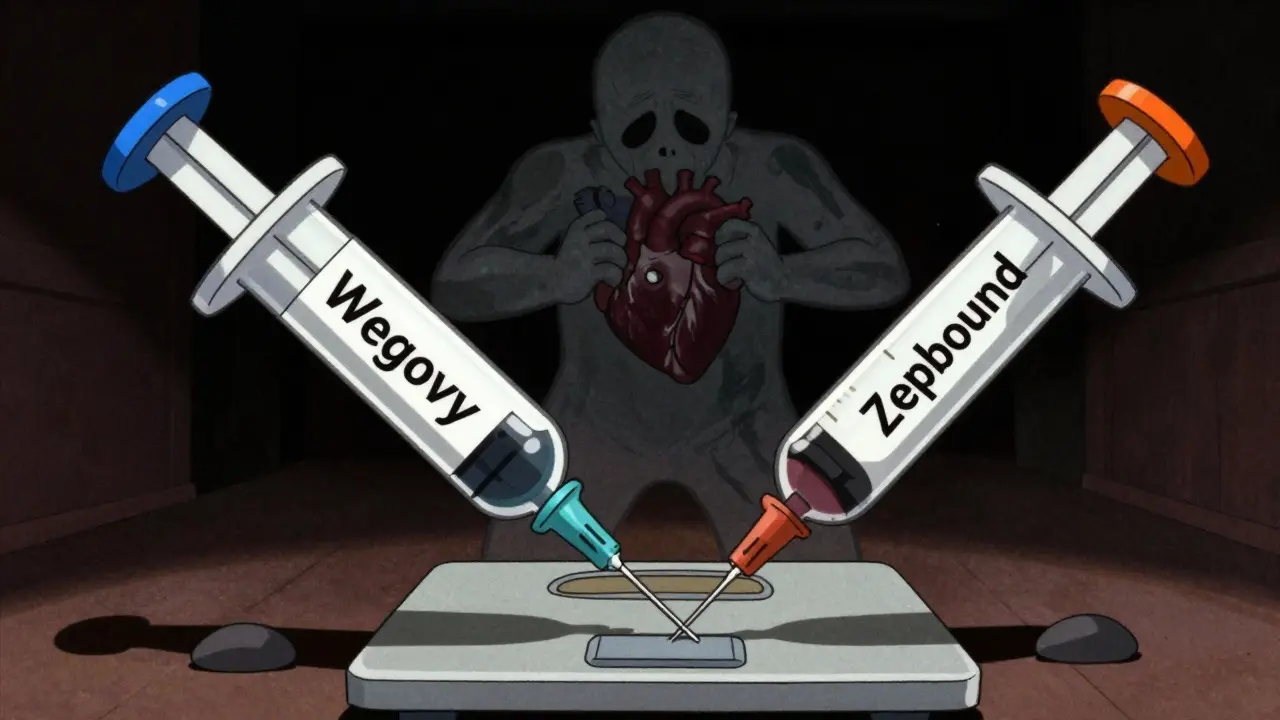
The most exciting development in weight management is the rise of highly effective pharmaceuticals. Gone are the days of mild appetite suppressants. Today, we have drugs that fundamentally alter how your body regulates hunger and energy.
| Medication | Type | Average Weight Loss | Key Benefit |
|---|---|---|---|
| Semaglutide (Wegovy®) | GLP-1 Receptor Agonist | 14.9% | Well-established safety profile; weekly injection |
| Tirzepatide (Zepbound®) | GLP-1/GIP Receptor Agonist | 20.2% | Highest efficacy in trials; dual-action mechanism |
| Retatrutide (Phase 2) | Triple Agonist (GLP-1, GIP, Glucagon) | 24.2% | Emerging option; targets three hormonal pathways |
Semaglutide and tirzepatide are currently the gold standards. In the SURMOUNT-2 trial, patients using tirzepatide lost an average of 20.2% of their body weight over 72 weeks. That is nearly one-fifth of their total mass. While semaglutide shows slightly lower efficacy (14.9%), both drugs significantly reduce the risk of major adverse cardiovascular events, including heart attack and stroke, especially for those with type 2 diabetes.
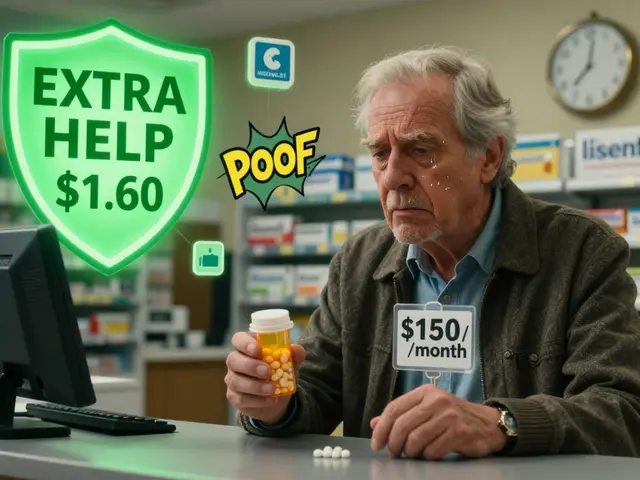
However, access remains a hurdle. As of 2025, only 68% of commercial insurance plans cover anti-obesity medications, compared to 98% coverage for diabetes drugs. Medicare Advantage plans lag further behind, with only 12% offering coverage. Always check with your insurer before starting treatment, as out-of-pocket costs can range from $150 to $300 per month depending on your plan and pharmacy discounts.
How Clinics Work: Beyond the Scale
Medical weight management clinics offer something commercial programs cannot: multidisciplinary care. A study published in JAMA Internal Medicine in 2024 found that medically supervised programs achieved a mean weight loss of 9.2% at 12 months, compared to just 5.1% in commercial programs.
Here is what a typical clinic visit looks like in 2026:
- Orientation and Assessment: Programs like West Virginia University Health System require pre-recorded orientation sessions and detailed questionnaires via apps like MyWVUChart. This helps identify personal barriers to weight loss before you even meet the doctor.
- Medical Nutrition Therapy: Dietitians provide personalized meal planning. Sessions last 45-60 minutes initially, then shift to 15-30 minute follow-ups every 2-4 weeks. This follows the Academy of Nutrition and Dietetics' 2025 evidence-based practice guidelines.
- Behavioral Coaching: Therapists help address emotional eating, stress, and sleep patterns. One-size-fits-all approaches fail 80% of the time in long-term maintenance, so individualized coaching is crucial.
- Pharmacotherapy Management: Doctors prescribe and monitor medications, adjusting doses based on your response and side effects.
This comprehensive approach addresses all five pillars of weight management: nutrition, physical activity, behavior, pharmacotherapy, and surgery when appropriate. It’s not just about calories; it’s about biology and psychology.

Monitoring and Long-Term Success
Weight loss is not a sprint; it’s a marathon. The American Diabetes Association recommends measuring anthropometric data "at least annually," but during active treatment, you should expect monitoring every 3 months. This includes tracking weight, blood pressure, blood glucose, and lipid profiles.
Why is frequent monitoring important? Because weight regain is common if support stops. Successful programs integrate electronic health record templates to track progress continuously. Patients report that non-judgmental clinical environments and personalized meal planning are the most valuable aspects of care, with 78% reporting improved quality of life after six months.
Don’t underestimate the role of technology. Many clinics now use digital tools to track food intake, activity levels, and medication adherence. These tools provide real-time feedback, helping you stay on course between appointments.

Overcoming Barriers and Bias
Despite progress, challenges remain. Weight bias is still prevalent in healthcare settings. The ACC 2025 guidance explicitly calls for reducing stigma by using chairs without armrests, providing multiple sizes of blood pressure cuffs, and avoiding blame-oriented language. If you encounter judgmental attitudes, seek a clinic certified by the Obesity Medicine Association, where providers undergo 60+ hours of specialized training.
Cost and appointment availability are also significant barriers. Forty-one percent of patients cite cost as a major issue, while 29% struggle with finding available appointments. To mitigate this, explore employer-sponsored wellness programs. Nearly half of Fortune 500 companies now offer medical weight management benefits, which can significantly reduce out-of-pocket expenses.
Future Directions
The field is evolving rapidly. New medications like retatrutide, a triple agonist targeting GLP-1, GIP, and glucagon, show promise with up to 24.2% weight loss in early trials. Additionally, there is a growing focus on addressing disparities. Black and Hispanic patients are currently 43% less likely to be offered pharmacotherapy despite meeting eligibility criteria. Advocacy groups are pushing for equitable access to ensure everyone benefits from these advances.
By 2030, experts predict weight management will be as routinely integrated into primary care as HbA1c monitoring is today. Investing in medical weight management now yields long-term dividends. For every $1 spent, studies show $2.87 in reduced healthcare costs for diabetes and cardiovascular disease within five years. It’s good for your health, and it’s good for the system.
Is medical weight management covered by insurance?
Coverage varies widely. As of 2025, 68% of commercial insurance plans cover anti-obesity medications, but only 12% of Medicare Advantage plans do. Intensive behavioral therapy is covered under Medicare Part B due to a 2023 CMS decision. Always verify coverage with your provider before starting treatment, as prior authorization may be required.
What is the difference between Wegovy and Zepbound?
Both are injectable medications used for weight loss, but they work differently. Wegovy contains semaglutide, a GLP-1 receptor agonist, while Zepbound contains tirzepatide, which activates both GLP-1 and GIP receptors. Clinical trials show Zepbound leads to greater average weight loss (20.2% vs 14.9%) over 72 weeks. Choice depends on insurance coverage, tolerance, and physician recommendation.
Do I need a BMI of 30 to get help?
No. You qualify for medical weight management if you have a BMI of 30 or higher, OR a BMI of 27 or higher with at least one obesity-related comorbidity such as hypertension, type 2 diabetes, or sleep apnea. Consult your doctor to assess your eligibility based on overall health risks.
How much weight can I realistically lose with medication?
With current leading medications like tirzepatide, patients can lose an average of 20% of their body weight over 72 weeks. Semaglutide results in approximately 15% loss. Individual results vary based on adherence, diet, exercise, and metabolic factors. The clinical goal is often defined as losing at least 5-10% of initial body weight to improve health outcomes.
Are medical weight loss clinics better than commercial programs?
Yes, generally. A 2024 JAMA Internal Medicine study found medically supervised programs achieved 9.2% weight loss at 12 months, compared to 5.1% in commercial programs. Medical clinics offer multidisciplinary care including physicians, dietitians, and behavioral coaches, addressing the biological and psychological aspects of obesity rather than just calorie counting.



Comments
jackie healey
July 30, 2026 AT 23:27 PMIt is genuinely heartening to see the medical community finally treating obesity with the same seriousness as hypertension, don't you think? The shift from moral failing to chronic disease is a massive leap forward for patient dignity. I have noticed that many clinics are now incorporating behavioral coaching alongside pharmacotherapy, which addresses the psychological roots of eating disorders rather than just the caloric intake. This holistic approach is exactly what we need to sustain long-term health outcomes.
Veronica Agbanyim
July 31, 2026 AT 05:56 AMThe problem is that people still blame themselves when they fail to lose weight despite doing everything right. It is morally bankrupt to expect someone to simply 'eat less' when their biology is working against them. We need to stop shaming individuals and start funding proper healthcare access for everyone who needs it.
Morikeoluwa Ayodeji
July 31, 2026 AT 06:08 AMYou hit the nail on the head there! The stigma in healthcare is real and it stops people from seeking help early enough. I always tell my patients that their body is not an enemy but a system that needs recalibration. When we remove the shame, the healing can actually begin. Keep spreading this message because empathy saves lives just as much as medication does!
charlie student
August 1, 2026 AT 07:51 AMI wonder if the definition of success will ever change beyond just the number on the scale. Maybe we should focus more on metabolic health markers instead of aesthetic goals. It feels like we are still trapped in a visual culture even while the science moves forward.
Marc H
August 1, 2026 AT 19:57 PMOh, please. Let us not pretend that insurance coverage is anything but a joke. Sixty-eight percent sounds good until you realize your specific plan is in the thirty-two percent that says 'nope.' I spent three months fighting my insurer just to get a prescription filled. It is absolutely ridiculous that we have to treat basic survival as a luxury item in this country.
sam howard
August 3, 2026 AT 01:37 AMstop complaining about insurance and look at the data. the drugs work. end of story. if you cant afford it thats a personal finance issue not a systemic one. most people just want a magic pill without putting in the effort anyway
Christina Thygesen
August 4, 2026 AT 07:30 AMit hurts me to see how harsh people can be about money. living paycheck to paycheck is terrifying enough without being told its your fault for having health issues. i feel so tired reading these comments sometimes. why cant we just support each other through the hard times?
Minal Aditi
August 4, 2026 AT 12:52 PMAh, the naive optimism of those who believe the system cares about you. How delightful. You think empathy will pay your bills? No. Only power does. And right now, the pharmaceutical companies hold all the cards. Enjoy your little support groups while the prices double next quarter. It is truly tragic how blind you all are to the vultures circling above.
Alli Crumley
August 4, 2026 AT 20:40 PMThe efficacy metrics for Tirzepatide are undeniable, showcasing a superior dual-agonist mechanism compared to standard GLP-1s. 📉 However, the bioavailability and individual receptor sensitivity play a crucial role in clinical outcomes. One must consider the pharmacokinetic profile before assuming universal applicability. The data speaks volumes, yet the nuance is often lost in layman discourse. 😒
Chris McQuaid
August 6, 2026 AT 06:16 AMEveryone is obsessed with the percentage loss but nobody talks about the muscle mass retention. You lose fat yes but you also lose lean tissue if you are not lifting weights heavily. It is a biological tradeoff that the marketing teams conveniently ignore. The human body is a complex machine not a simple equation.
Diane Nash
August 6, 2026 AT 07:07 AMIt is imperative that we recognize the multifaceted nature of weight management interventions. The integration of nutritional therapy with pharmacological support represents a paradigm shift in clinical practice. Furthermore, the emphasis on behavioral modification cannot be overstated in achieving sustainable results. We must advocate for policies that ensure equitable access to these life-changing treatments for all socioeconomic demographics.
Tegan Morey
August 6, 2026 AT 22:28 PMI am curious about the long term effects of stopping the medication after two years. Does the weight come back immediately or is there a window where lifestyle changes stick? I know some people say it is a lifelong commitment but that sounds exhausting to think about forever.
Gary Browne
August 8, 2026 AT 02:12 AMSo you are saying you have to take a shot every week for the rest of your life to stay thin? That sounds like slavery to me. Why can't people just learn self discipline? I bet half these people are just lazy and using the disease label as an excuse to avoid responsibility for their own bodies.
Anna Salamon
August 8, 2026 AT 05:54 AMLet us remember that every journey is different and there is no shame in needing extra support. In many cultures we understand that health is communal not just individual. The goal is wellness not perfection. Be kind to yourself and others on this path because compassion heals wounds that medicine cannot touch.