Getting clear skin is a massive relief for many people. But when that treatment comes with warnings about depression and suicide, it creates a heavy cloud of anxiety before you even take the first pill. Isotretinoin, often known by its former brand name Accutane, is the gold standard for severe acne. Yet, the question of whether it causes mental health issues has been debated for decades. You might have heard horror stories online or seen scary warning labels on the bottle. The truth is far more complex than a simple yes or no.
As of May 2026, the medical consensus is shifting away from fear-mongering toward nuanced, data-driven monitoring. While isotretinoin does carry a black box warning, recent large-scale studies suggest the absolute risk of psychiatric events is low and comparable to the general adolescent population. However, this doesn't mean you should ignore your mental state. It means you need a smart, proactive plan. Let’s break down what the latest research says, how to spot the signs, and exactly how to monitor your well-being during treatment.
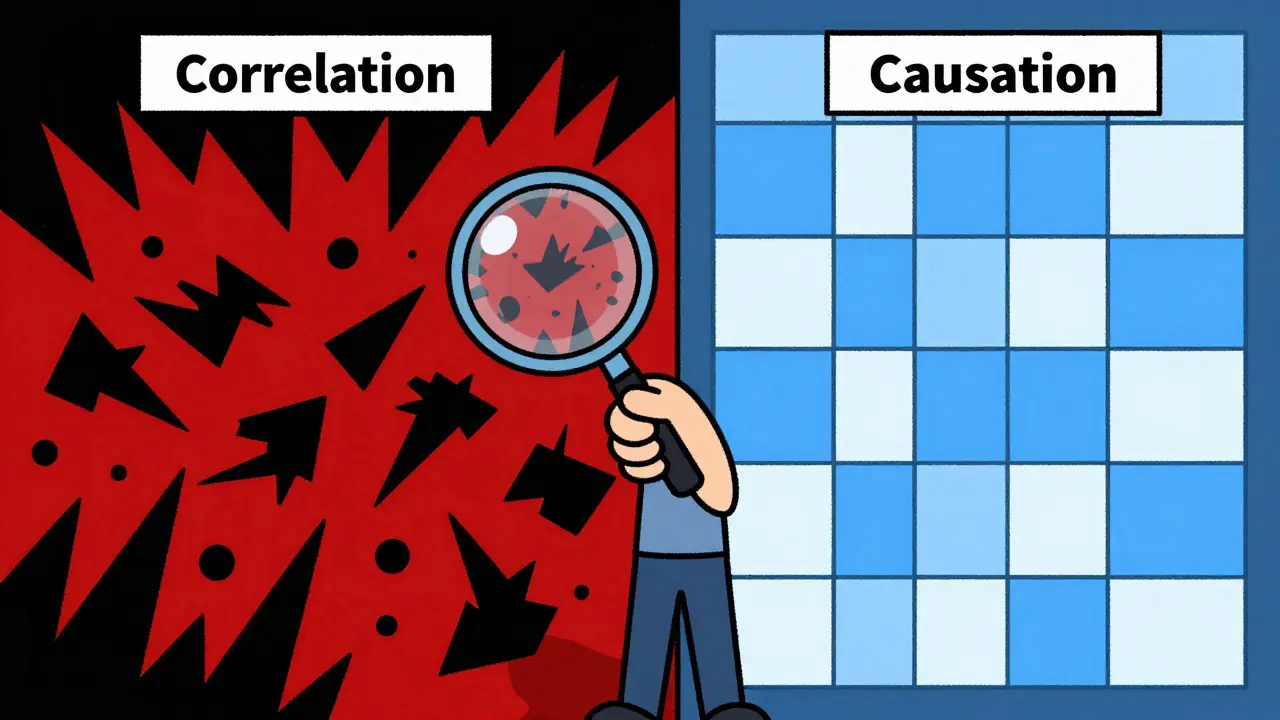
The Core Debate: Correlation vs. Causation
To understand the risk, we have to look at where the data comes from. For years, the narrative was driven by anecdotal reports and post-marketing surveillance data, such as the FDA Adverse Event Reporting System (FAERS). A major study published in 2025 analyzing FAERS data from 2004 to 2024 identified over 19,000 cases of psychiatric adverse events linked to isotretinoin. These reports highlighted signals for depression, suicidal ideation, and anxiety. On paper, these numbers look alarming.
However, self-reported data has a flaw: it captures complaints, not necessarily causation. People report symptoms because they are taking the drug, but it doesn’t prove the drug *caused* the symptoms. This is where robust clinical trials and meta-analyses come in. A pivotal November 2023 meta-analysis in JAMA Dermatology, led by Dr. Leon Kircik, reviewed 24 studies involving over 1.6 million participants. The conclusion? There is no increased relative risk of suicide or psychiatric disorders among patients taking isotretinoin compared to those who do not. The pooled 1-year absolute risk of suicide attempt was 0.14%, which is actually lower than the rate found in general adolescent populations (0.84%-1.3%).
| Data Source | Methodology | Key Finding | Limitations |
|---|---|---|---|
| FAERS Database | Self-reported adverse events | High reporting rates of depression (47.5%) and suicidal ideation | No control group; cannot prove causation |
| JAMA Meta-Analysis | Review of 24 controlled studies | No increased relative risk; absolute risk lower than general youth population | Relies on existing study quality |
| Reddit User Reports | Anecdotal community feedback | 43% reported mood changes; 18% reported improved mood | Selection bias; emotional self-selection |
This discrepancy explains why you see conflicting information. Regulatory bodies like the FDA and EMA maintain strict warnings because they must account for worst-case scenarios and individual outliers. Meanwhile, dermatologists treating thousands of patients see that most people tolerate the medication without significant psychiatric shifts. The key takeaway is that while the risk exists, it is rare, and often influenced by other factors.
Who Is at Higher Risk?
Not everyone faces the same level of risk. Understanding your personal profile helps determine how closely you need to be monitored. The JAMA meta-analysis identified specific factors that increase vulnerability. If you have a personal history of depression, anxiety, or bipolar disorder, your risk is higher-not necessarily because of the drug itself, but because you are already predisposed to these conditions. Similarly, a family history of psychiatric disorders warrants extra caution.
Interestingly, the data shows some counterintuitive trends. Higher cumulative doses of isotretinoin were paradoxically associated with a *lower* risk of suicide attempts in some analyses. This suggests that the psychological burden of untreated severe acne may outweigh the pharmacological effects of the drug. Acne itself is a significant stressor. Studies show that severe acne correlates with higher rates of depression and social isolation. When isotretinoin clears the skin, many patients experience a lift in mood. In fact, user surveys on platforms like Reddit indicate that 18% of users noted improved mood, citing the relief of acne-related stigma as the primary reason.
However, for those with pre-existing vulnerabilities, the physiological stress of the treatment-such as dryness, fatigue, and hormonal fluctuations-can act as a trigger. Age also plays a role. Older patients tend to report lower depression risks, possibly due to greater emotional resilience or stability in life circumstances. Gender differences exist too, mirroring general epidemiology: males are more likely to complete suicide, while females are more likely to attempt it or report depressive symptoms. Your doctor will weigh these factors when prescribing.
The Critical Monitoring Window
If you decide to proceed with isotretinoin, timing is everything. Research indicates that if psychiatric side effects are going to occur, they usually happen early in the treatment course. The median time-to-onset for moderate-priority psychiatric signals is consistently reported as 80 days, but the highest concentration of events occurs within the first two months. Specifically, 44% of psychiatric events manifest within the first eight weeks.
This makes the first eight weeks the "critical window." During this period, your body is adjusting to the rapid reduction in sebum production and the systemic effects of the retinoid. You might feel physically tired or irritable. Distinguishing between normal adjustment and genuine depression is crucial. Here is a practical monitoring schedule based on current best practices:
- Weeks 1-8: Weekly check-ins. This can be via text, email, or brief phone calls with your dermatologist or a trusted support person. Use this time to note any sudden shifts in mood, sleep patterns, or interest in daily activities.
- Weeks 9-16: Biweekly check-ins. As your body stabilizes, reduce frequency but maintain vigilance. Look for persistent sadness or anxiety that doesn’t improve with rest.
- Weeks 17+: Monthly monitoring. Continue until the end of the treatment course. Even late-stage symptoms can occur, though they are less common.
Many clinics, including protocols updated at the University of California, San Francisco, implement a mandatory "mental health pause" at week 8. This involves an in-person evaluation to ensure you are coping well before continuing. Don’t view this as bureaucracy; it’s a safety net. If you feel off, speak up immediately. Early intervention prevents minor dips from becoming major crises.
Tools for Self-Assessment
You don’t need to wait for your doctor to notice something is wrong. You can track your own mental health using validated screening tools. The Patient Health Questionnaire-9 (PHQ-9) is the industry standard. It’s a nine-question survey that measures the severity of depression. Scores range from 0 to 27. A score of 10 or higher typically triggers a recommendation for professional evaluation. Many digital health platforms now integrate PHQ-9 assessments directly into their patient portals.
Another useful tool is the Beck Depression Inventory (BDI), which offers a slightly different perspective on symptoms. Using these tools weekly during the critical window gives you objective data rather than relying on vague feelings. Did your score jump from 5 to 15 overnight? That’s a red flag. Did it stay steady at 3 despite feeling stressed about work? That’s likely normal fluctuation. Documenting these scores provides your dermatologist with concrete evidence to make informed decisions about your treatment.
Be aware of "emotional blunting," a symptom reported by 62% of users experiencing mood changes. This isn’t always clinical depression. It’s a feeling of numbness or detachment, where you don’t feel sad, but you also don’t feel joy. It can be mistaken for laziness or apathy. Recognizing this distinction helps you communicate more accurately with your healthcare provider. Emotional blunting can sometimes resolve on its own, but if it persists, it may require dose adjustment or temporary cessation.
Navigating the iPLEDGE Program and Regulations
In the United States, isotretinoin distribution is tightly controlled through the iPLEDGE program. Originally designed to prevent birth defects, the program has evolved to include mental health components. As of the 2024 update, effective January 2025, prescribers are required to complete two hours of annual training on mental health monitoring. This ensures your doctor is up-to-date on the latest guidelines and knows how to screen for psychiatric risks.
The iPLEDGE system now encourages monthly depression screening. If you are prescribed isotretinoin, you will likely be asked to confirm your mental health status each month. This isn’t just paperwork; it’s a legal and ethical safeguard. Non-compliance can result in suspension from the program, meaning you won’t get your prescription. Make sure you engage honestly with these checks. If you’re struggling, the system is designed to help you pause treatment safely, not punish you.
Internationally, regulations vary. In Australia, the Therapeutic Goods Administration (TGA) issued enhanced monitoring warnings in March 2024, requiring documentation of persistent psychiatric symptoms. The European Medicines Agency (EMA) updated product information in July 2023 to emphasize close monitoring for patients with pre-existing disorders. Regardless of where you live, the principle remains the same: transparency with your healthcare provider is non-negotiable.
When to Stop Treatment
Knowing when to stop is as important as knowing when to start. Discontinuing isotretinoin prematurely can lead to acne recurrence, but continuing while experiencing severe psychiatric distress is dangerous. There are clear red flags that warrant immediate discontinuation:
- Suicidal Ideation: Any thoughts of self-harm or suicide, regardless of frequency, require stopping the medication and seeking emergency help.
- Severe Anxiety: Panic attacks or anxiety that interferes with daily functioning and doesn’t respond to initial management strategies.
- Abrupt Mood Changes: Sudden shifts in personality, irritability, or aggression that are inconsistent with your baseline behavior.
- Persistent Emotional Blunting: If numbness lasts more than two weeks and affects your relationships or quality of life.
Don’t hesitate to call your dermatologist. Most symptoms resolve within a few weeks of stopping the medication. One user on Drugs.com reported severe depression at week 8, stopped treatment, and saw symptoms resolve within three weeks. Remember, your mental health is more important than clear skin. Acne is treatable in many ways, but a crisis is harder to reverse.
Alternative Options and Holistic Care
If you are worried about isotretinoin’s potential risks, discuss alternatives with your dermatologist. Oral antibiotics like doxycycline or minocycline are common options. However, they come with their own risks. Minocycline, for instance, has been associated with depression in 1.7% of users according to a 2017 review. Topical retinoids and benzoyl peroxide are safer but less effective for severe nodular acne. Hormonal therapies, such as spironolactone, are excellent for female patients with hormonal acne and have minimal psychiatric risk.
Holistic care also plays a role. Ensure you are getting enough Vitamin B12. A 2022 study found that 18.7% of isotretinoin users had Vitamin B12 deficiency, which can mimic depressive symptoms. Ruling out nutritional deficiencies is part of the differential diagnosis protocol recommended by the EMA. Additionally, consider genetic testing. Emerging research identifies markers like the BDNF Val66Met polymorphism that may predict susceptibility to drug-induced depression. While not yet standard practice, asking your doctor about genetic predispositions could provide valuable insights.
Does isotretinoin cause depression?
The relationship is complex. Large-scale meta-analyses show no increased relative risk of depression compared to the general population. However, individual cases of depression and suicidal ideation have been reported. The risk appears higher in patients with pre-existing psychiatric conditions. Most experts agree that the absolute risk is low, but monitoring is essential.
How long does it take for mental side effects to appear?
If psychiatric side effects occur, they typically manifest within the first 80 days of treatment, with 44% of events happening in the first eight weeks. This makes the initial two months the critical monitoring window.
What should I do if I feel depressed on isotretinoin?
Contact your dermatologist immediately. Do not stop the medication abruptly without consulting them unless you are in immediate danger. They may recommend a "mental health pause" to evaluate your symptoms. If you experience suicidal thoughts, seek emergency medical assistance right away.
Can I take isotretinoin if I have a history of depression?
Yes, but with caution. Patients with a history of psychiatric disorders require closer monitoring, including baseline screening and more frequent check-ins. Your dermatologist may collaborate with a psychiatrist to manage your treatment safely. The benefits often outweigh the risks if managed properly.
Is there a test to predict if I will get depressed on isotretinoin?
Currently, there is no routine clinical test. However, emerging research looks at genetic markers like the BDNF Val66Met polymorphism. While promising, this is not yet widely available or standardized. Screening for Vitamin B12 deficiency is a practical step to rule out nutritional causes of mood changes.