
Imagine a pain so intense that it's often called the "suicide headache." For those living with Cluster Headaches is a primary headache disorder characterized by severe, unilateral pain around the eye or temple, it isn't just a bad migraine-it's an excruciating neurological event. These attacks often hit like a lightning bolt, leaving a person restless and desperate for relief. While the pain can feel insurmountable, one of the most effective ways to shut down an attack quickly is through high-flow oxygen therapy.
What Exactly Are Cluster Headaches?
Unlike a typical tension headache, cluster headaches occur in "clusters," meaning you might have several attacks a day for weeks or months, followed by a period of complete remission. The pain usually centers on one side of the head, often behind the eye. It's not just about the pain, though; you'll likely notice autonomic symptoms, such as a drooping eyelid, a runny nose, or a watery eye on the affected side.
Statistically, these disorders are more common in men, with a 3:1 male-to-female ratio. Because the pain is so concentrated and severe-often rated a 10/10-the goal of treatment isn't just "management" but rapid termination of the attack. Since attacks typically last between 15 and 180 minutes, every second counts when starting a treatment.
Why Oxygen Therapy is the Gold Standard
When you're in the middle of a cluster attack, you don't have time for a pill to dissolve in your stomach. Oxygen Therapy is a non-pharmacological acute treatment that involves breathing 100% medical-grade oxygen to abort a headache attack. It is widely considered the first-line therapy because it works fast and has virtually no side effects.
For about 78% of patients, high-flow oxygen can stop the pain within 15 minutes. Compare that to medications like triptans; while triptans are effective, they can cause chest tightness, dizziness, or be dangerous for people with heart issues. Oxygen doesn't carry those risks, making it the safest bet for a wide range of patients, including those with cardiovascular concerns.
| Feature | Oxygen Therapy (12 L/min) | Subcutaneous Sumatriptan | Intranasal Zolmitriptan |
|---|---|---|---|
| Pain-Free Rate (15 min) | 78% | 74% | 50% |
| Adverse Event Rate | 0% | 34% | 22% |
| Primary Risk | Mask fit/Access | Chest tightness | Nasal irritation |
| Speed of Onset | Very Fast | Fast | Moderate |
Setting Up Your Oxygen System for Success
You can't just use a standard nasal cannula-those tiny prongs in your nose aren't enough to deliver the concentration needed to stop a cluster. To get the results you want, you need a specific setup.
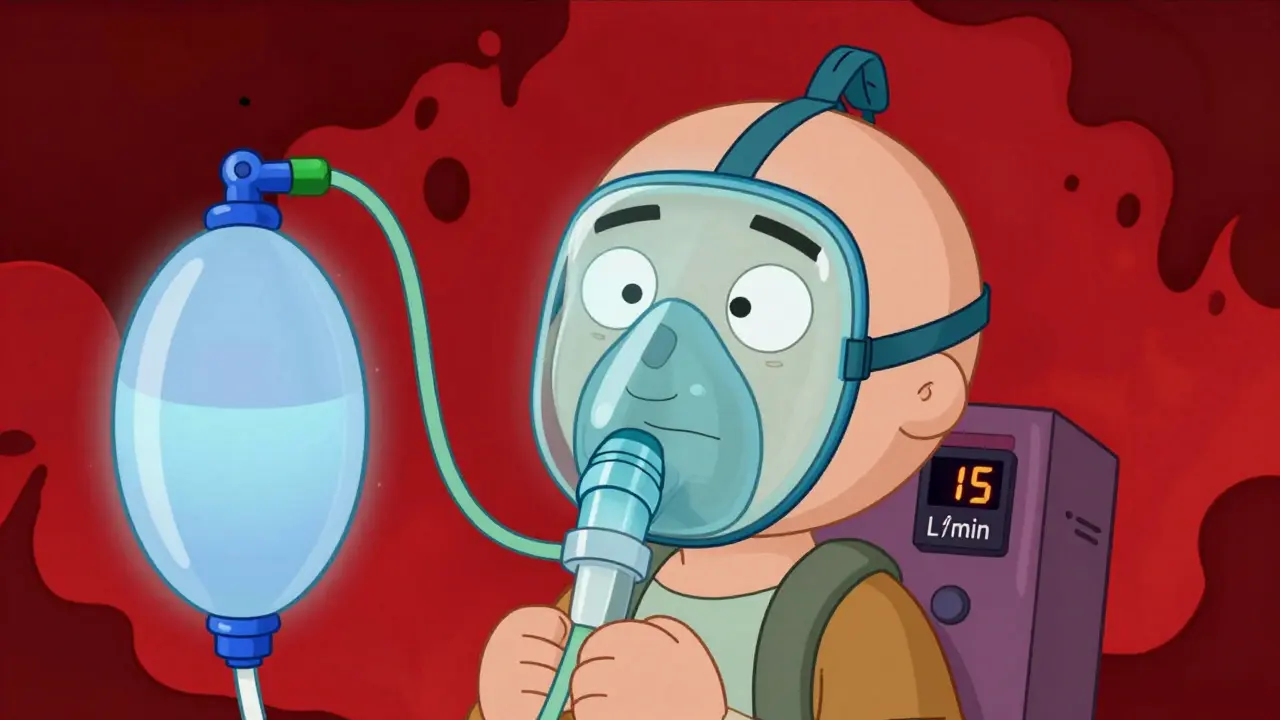
First, you need 100% pure oxygen. This is usually provided by an Oxygen Concentrator, a machine that pulls oxygen from the air and concentrates it. For cluster headaches, the flow rate is critical. While some policies mention lower doses, clinical data shows a massive jump in efficacy at 12 to 15 liters per minute (L/min). If you're only using 4 L/min, you're significantly less likely to find relief.
The most important piece of gear is the Non-Rebreather Mask. This is a face mask with a reservoir bag attached. The bag fills with pure oxygen, and a one-way valve prevents you from breathing back in the carbon dioxide you exhale. If the bag is collapsing too much or the mask doesn't seal against your face, the treatment may fail. Most people get the hang of the seal within three attacks, but it's worth practicing while you're *not* in pain.
The Practical Challenges: Access and Timing
If oxygen is so great, why isn't everyone using it? The biggest hurdle isn't medical-it's administrative. Getting a prescription for medical oxygen (ICD-10 code G44.0) can take weeks. Insurance companies, particularly Medicare in the US, often deny initial claims, sometimes requiring patients to prove they've failed two different triptan medications first.
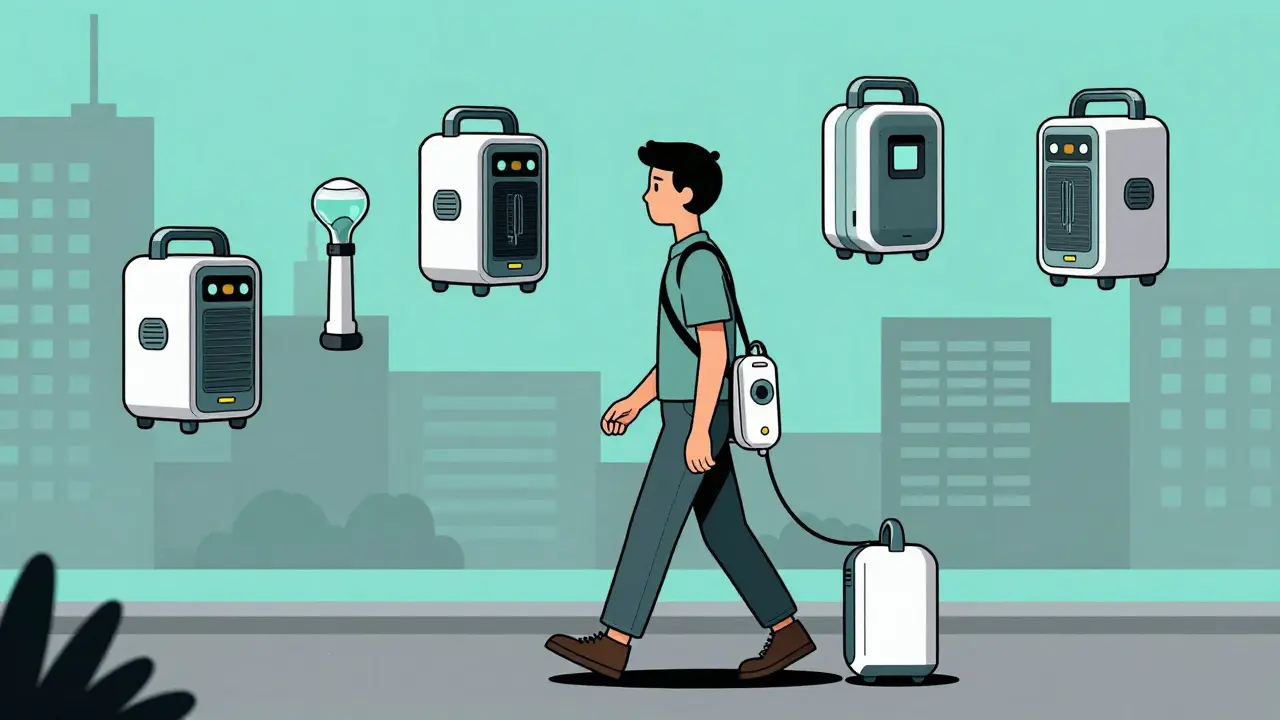
Timing is another critical factor. For the best results, you need to start the oxygen within 5 to 10 minutes of the pain starting. If you wait until you're in peak agony, the treatment might take longer to work or may not work at all. Because of this, many specialists suggest "stationing" your equipment. Instead of one machine in the bedroom, have a portable unit or multiple setups in the living room and office so you're never more than a few steps away from relief.
For those who travel, traditional concentrators are bulky. However, newer portable models like the Inogen One G5 or the FDA-cleared O2VERA are changing the game, allowing users to carry high-flow capacity in a device weighing around 5 pounds.
When Oxygen Doesn't Work
It's a tough reality, but about 20% of patients don't respond to oxygen therapy. If you find yourself in this group, you aren't alone. Certain factors can make oxygen less effective. For instance, people who have never smoked or those whose attacks consistently last longer than 180 minutes often see poorer results.
If oxygen isn't doing the trick, it's time to look at Neuromodulation. Devices like gammaCore use electrical stimulation to affect the vagus nerve, providing an alternative for those who are refractory to oxygen or medications. It's always best to discuss these options with a neurologist who specializes in headache disorders.
How quickly does oxygen therapy work for a cluster headache?
Most patients experience significant or complete pain relief within 15 minutes of starting the therapy, provided they are using a high flow rate of 12-15 L/min and a non-rebreather mask.
Can I use a nasal cannula instead of a mask?
Generally, no. A nasal cannula cannot deliver the high concentration of 100% oxygen required to abort a cluster attack. A non-rebreather mask with a reservoir bag is the clinical standard for effectiveness.
Are there any side effects to using medical oxygen?
Oxygen therapy is remarkably safe. Unlike triptans, which can cause cardiovascular stress or dizziness, high-flow oxygen has no significant adverse events reported in major clinical trials for the treatment of cluster headaches.
What flow rate is actually effective?
While some minimums are set at 4 L/min, research shows a much higher success rate (around 78%) at 12 L/min. Most neurologists recommend a range of 12-15 L/min for the best chance of aborting an attack.
How do I get insurance to cover my oxygen concentrator?
You will need a formal prescription with the ICD-10 code G44.0. Be prepared to provide documentation of your attack frequency and may need to show that other treatments, such as triptans, were ineffective or contraindicated for your health.
Next Steps and Troubleshooting
If you're just starting out, don't be discouraged if your first attempt feels clunky. Check your mask seal-if air is leaking from the sides, the oxygen concentration drops. Ensure your reservoir bag is fully inflated before you start breathing.
For those struggling with insurance denials, reach out to patient advocacy groups like Clusterbusters. They often have resources or guides to help you navigate the paperwork and lobby for coverage. If you're in a rural area where equipment delivery is slow, consider looking into portable concentrators that can be purchased upfront to avoid the long wait for DME providers.