
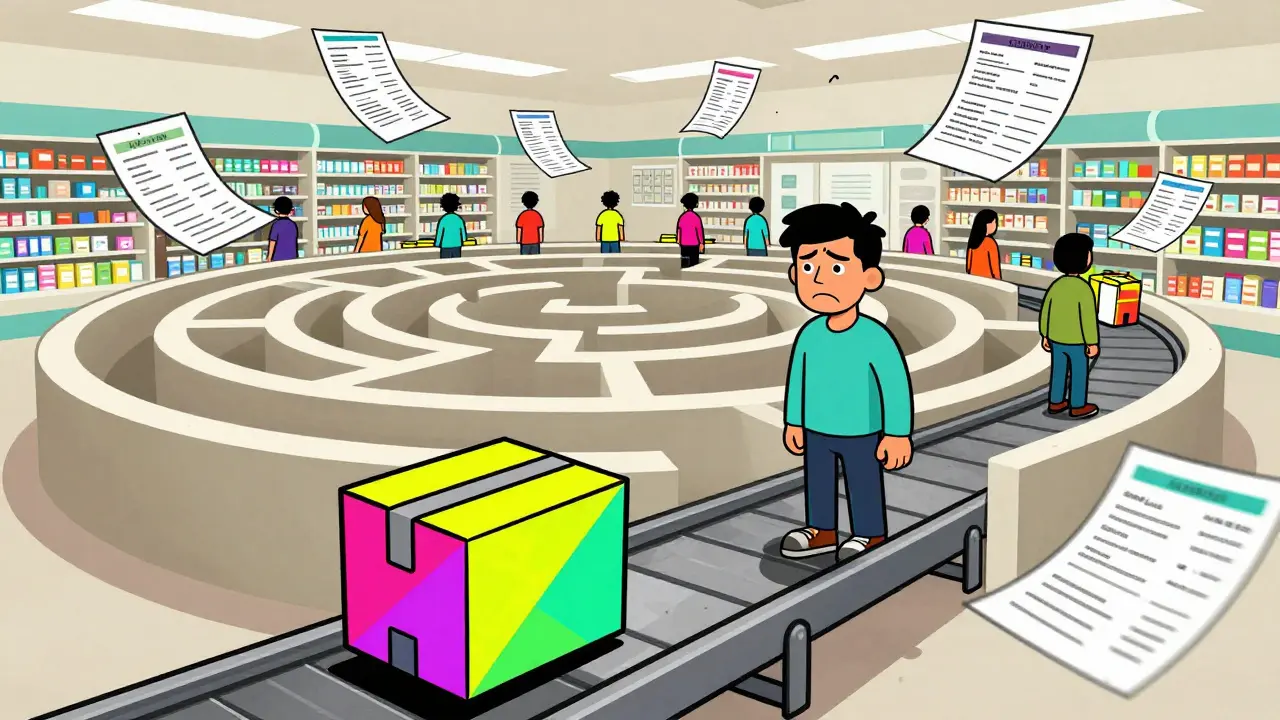
Imagine skipping the pharmacy line, ignoring the confusing insurance paperwork, and getting your medication delivered to your door for 40% less than the sticker price at your local drugstore. This isn't a futuristic dream; it's the current reality of direct-to-consumer generic pharmacies is a business model where medications are sold directly from manufacturers or specialized digital platforms to patients, bypassing traditional middlemen. This shift is fundamentally breaking the old way we bought medicine in the U.S., moving away from a system where you're often a pawn in a pricing war between insurance companies and drug stores.
Cutting Out the Middleman
For decades, the path from a lab to your medicine cabinet was a convoluted maze. You had the manufacturer, then the wholesaler, then the Pharmacy Benefit Managers (or PBMs), and finally the retail pharmacy. This chain created a massive "gross-to-net" spread-the difference between the list price and what the manufacturer actually gets. In 2024 alone, the "Big Three" PBMs raked in $28 billion in gross profit by controlling this flow.
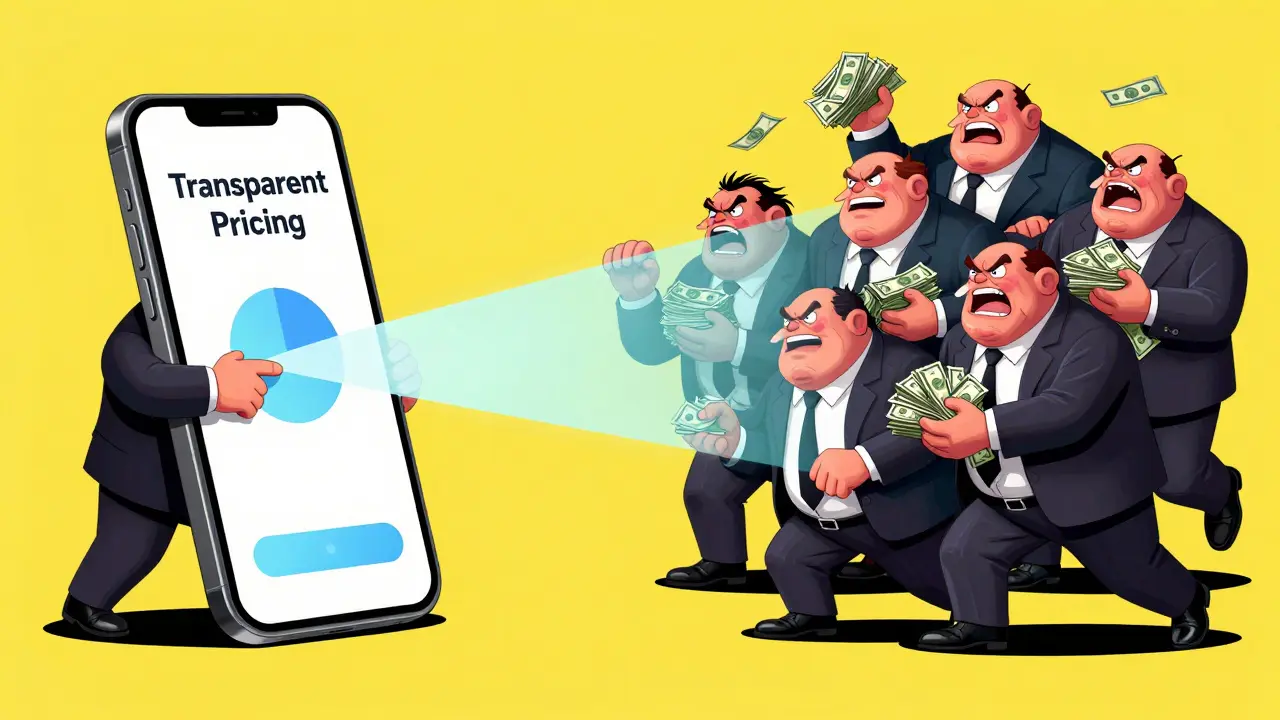
The new DTC model aims for direct-to-consumer generic pharmacies to engage in disintermediation. By removing the PBMs and wholesalers, companies can slash supply chain costs by 15-25%. For the patient, this means transparent cash-pay pathways. Instead of wondering if your insurance will cover a drug, you see a flat price and pay it. This is especially powerful for generics, where the cost of production is low, and the markups by intermediaries are often the primary reason for high patient costs.
The Power Players: Telehealth vs. Big Pharma
The market has split into two distinct camps. On one side, you have the "Digital First" platforms. Companies like Ro, Hims & Hers, and Honeybee Health have pioneered the cash-based delivery of generics. They don't just ship pills; they provide the doctor's visit too. Ro, for instance, processed about 2.1 million prescription orders in the first quarter of 2025. These platforms often offer 30-50% discounts on generics compared to traditional retail prices.
On the other side, the giants of the pharmaceutical industry are moving in. Following the 2025 "Most-Favored-Nation" executive order, companies like Eli Lilly (via LillyDirect) and Pfizer (via PfizerForAll) launched integrated platforms. While these often focus on high-value brand-name drugs, they are building the infrastructure-telehealth, e-prescribing, and home delivery-that will inevitably swallow more of the generic market. The key advantage for these giants is data; they finally see who is taking their drugs and how, information that PBMs used to keep secret.
| Feature | Traditional Retail | Generic DTC Platforms (e.g., Ro) | Pharma-Led DTC (e.g., LillyDirect) |
|---|---|---|---|
| Intermediaries | Many (Wholesalers, PBMs) | Few (Direct/Lean) | Minimal (Direct from Source) |
| Pricing Structure | Insurance-dependent / Rebates | Transparent Cash-Pay | Manufacturer-Verified Cash |
| Avg. Generic Savings | Baseline | 30-50% lower | 10-15% lower (mostly brand) |
| Patient Data Access | Fragmented | High (Platform-owned) | Very High (Manufacturer-owned) |
The Tech Stack Powering Your Prescription
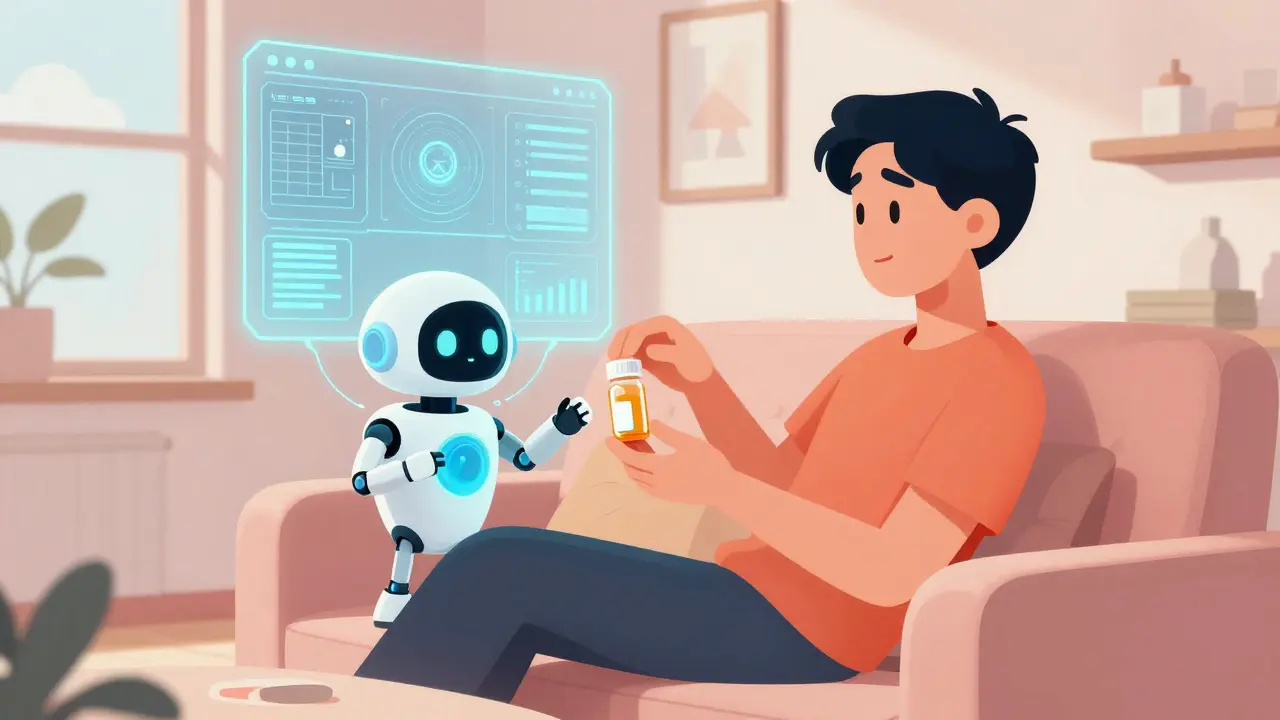
You can't just put pills in a box and call it a DTC pharmacy. The technical architecture is incredibly complex. Modern platforms rely on Cloud Computing to handle real-time data and AI to drive patient adherence. Think of AI-powered chatbots that remind you to take your meds or predict when you'll need a refill before you even realize it.
The "gold standard" workflow now involves a seamless loop: Remote Diagnosis $\rightarrow$ Telehealth $\rightarrow$ E-prescribing $\rightarrow$ Home Delivery $\rightarrow$ Adherence Support. This integrated approach has been shown to reduce "time-to-therapy" by an average of 3.7 days. To make this work, platforms must integrate with Electronic Health Records (EHRs) like Epic or Cerner using API-based systems. If the software doesn't talk to the doctor's office, the whole model collapses.
The Risks: Safety and Regulation
It's not all smooth sailing. The biggest red flag raised by experts, including professors from Johns Hopkins, is the lack of a pharmacist's eyes on the process. In a traditional pharmacy, a pharmacist might catch a dangerous drug interaction that a doctor missed. Some reports have already documented cases where the lack of a face-to-face consultation led to potential safety risks.
Then there's the regulatory nightmare. To run a legal DTC pharmacy in the U.S., you need licenses in all 50 states and D.C. This process typically takes 14-18 months and can cost upwards of $2.3 million in legal fees. Furthermore, the Department of Justice has started looking into whether these direct-to-patient models violate the Anti-Kickback Statute or the Stark Law, which prohibit offering incentives for referrals.
What Patients Actually Think
If you browse Reddit or Trustpilot, you'll find a divide. Most people love the price transparency. One user reported saving over $400 a year on blood pressure meds by switching to a DTC provider. The convenience of a subscription model-where meds just arrive-is a huge hit, with 73% of chronic patients reporting better adherence because they stopped forgetting to pick up their prescriptions.
However, the "human element" is missing. Common complaints include delivery delays and a lack of support when a prescription issue arises. Some patients find it frustrating that they've traded a 10-minute drive to Walgreens for a 5-day wait for a courier, especially for urgent medications.
The Future of Drug Buying
We are moving toward a hybrid world. Most pharma executives don't think the traditional pharmacy will disappear entirely, but its role will shrink. We're seeing the rise of "ring-fenced" manufacturing, where companies set aside specific batches of drugs specifically for their DTC channels to avoid wholesaler shortages.
The long-term play is the total collapse of the PBM rebate system. If more patients move to direct cash-pay models, the leverage PBMs hold over manufacturers vanishes. This could lead to a more stable pricing environment, but it requires a massive overhaul of how we think about health insurance and drug access.
Are DTC generic pharmacies legal in all 50 states?
Yes, but only if the platform holds individual pharmacy licenses for each state. This is a rigorous process that usually takes over a year to complete and involves compliance with various state pharmacy boards.
How do I know if a DTC pharmacy is safe?
Look for platforms that are HIPAA-compliant and integrate with verified e-prescribing networks like Surescripts. Also, check if they provide access to a licensed pharmacist for consultations, as this mitigates the risk of drug interactions.
Why are generic drugs cheaper through DTC platforms?
They eliminate the "middlemen"-wholesalers and Pharmacy Benefit Managers (PBMs)-who typically add significant markups and manage a complex system of rebates that rarely benefit the end consumer.
Can I use my insurance with a DTC pharmacy?
It depends. Many DTC models focus on a "cash-pay" system to keep prices low. However, some newer models are experimenting with hybrid insurance-subsidized plans to make the transition easier for patients.
What happens if I have a bad reaction to a drug from a DTC service?
You should contact the platform's pharmacist consultation line immediately. Because these services lack a physical storefront, having a 24/7 professional support line is a critical safety requirement for any reputable DTC provider.
Next Steps for Patients and Providers
If you're a patient with a chronic condition and a high-deductible plan, it's worth auditing your current medication costs. Compare your local pharmacy's cash price with the transparent pricing on a DTC platform. You might find a significant saving, but always ensure your primary care physician is in the loop regarding the switch.
For healthcare providers, the shift means more integration. Moving toward API-driven prescriptions and embracing telehealth platforms will be necessary to ensure your patients can access these lower-cost options without administrative friction.
Comments
Goodwin Colangelo
April 4, 2026 AT 19:08 PMHonestly, if you've got a high deductible, these DTC sites are a lifesaver. I've helped a few people set up their accounts and the cost difference is night and day compared to the retail pharmacy counter. Just make sure you're using a provider that actually lets you talk to a pharmacist if you're mixing meds.
Beth LeCours
April 5, 2026 AT 21:51 PMToo expensive still.
Divine Manna
April 6, 2026 AT 06:02 AMThe systemic failure of the American healthcare apparatus is not solved by simply digitizing the delivery mechanism. One must recognize that the removal of the pharmacist's clinical oversight is a catastrophic trade-off for the sake of mere convenience. It is an exercise in corporate efficiency at the expense of patient safety, which is a classic example of the utilitarian trap where the many benefit from a system that will eventually fail the individual in a critical moment. We are essentially outsourcing our health to an algorithm and a courier service, which is a philosophical descent into a void of depersonalized care.
Rachelle Z
April 7, 2026 AT 19:32 PMOh wow!!! Another way for big companies to take our money while pretending to help!!! 🙄✨ So convenient that we can just wait 5 days for a box to arrive while we're sick!!! Love that for us!!! 💅💖
Rob Newton
April 8, 2026 AT 19:46 PMCash-pay is a scam. Insurance is where the real leverage is.
Branden Prunica
April 10, 2026 AT 11:53 AMI literally cannot even deal with the stress of waiting for a courier! Like, imagine needing your meds and then seeing "delayed" on the tracking page! It is a total nightmare! I would actually die if my blood pressure meds didn't show up on time! The anxiety is just too much to handle!
Ace Kalagui
April 11, 2026 AT 01:52 AMI think it's really wonderful to see more options opening up for people who struggle with the traditional pharmacy system, as it allows for a much more inclusive approach to healthcare delivery that caters to those who might be homebound or just overwhelmed by the bureaucracy of the current system. While I understand the concerns about the loss of the face-to-face interaction, we have to remember that for some, the ability to save a few hundred dollars a year is the difference between staying healthy and skipping doses entirely, so we should really lean into supporting these innovations while slowly improving the safety protocols over time.
The Charlotte Moms Blog
April 11, 2026 AT 06:18 AMThe logistics are a joke!!! Who actually trusts a startup with their heart medication??? Absolutely reckless!!! The lack of quality control is glaring!!!
Joey Petelle
April 12, 2026 AT 15:30 PMTypical American chaos, just replacing one greedy middleman with a fancy app and calling it progress. It's a glamorous coat of paint on a crumbling infrastructure, but hey, as long as we can buy our pills with a swipe, who cares if the whole system is a circus of incompetence? Truly a masterpiece of capitalist dysfunction.
Sakshi Mahant
April 13, 2026 AT 14:20 PMIt is interesting to see how different countries handle this. In some places, the integration of pharmacy and delivery is much more normalized, and it's nice to see the US moving toward a more patient-centric model, provided we maintain a balance of safety and accessibility for everyone involved.
HARSH GUSANI
April 15, 2026 AT 12:54 PMThis is just a way to make the US more dependent on tech companies 🇮🇳. Why should we trust these platforms when they only care about profit and not the actual health of the people 😡. I bet the quality of these generic drugs is way lower than the ones in a real store 👎.
angel sharma
April 15, 2026 AT 19:31 PMLet's look at the bright side of this evolution because the potential for global health improvement is absolutely massive when we remove the barriers of cost and distance from the patient's reach! If we can scale these digital models and ensure that the technology is robust enough to handle millions of patients, we are looking at a future where chronic disease management is no longer a luxury for the rich but a basic standard of care for every single person on the planet regardless of where they live!