
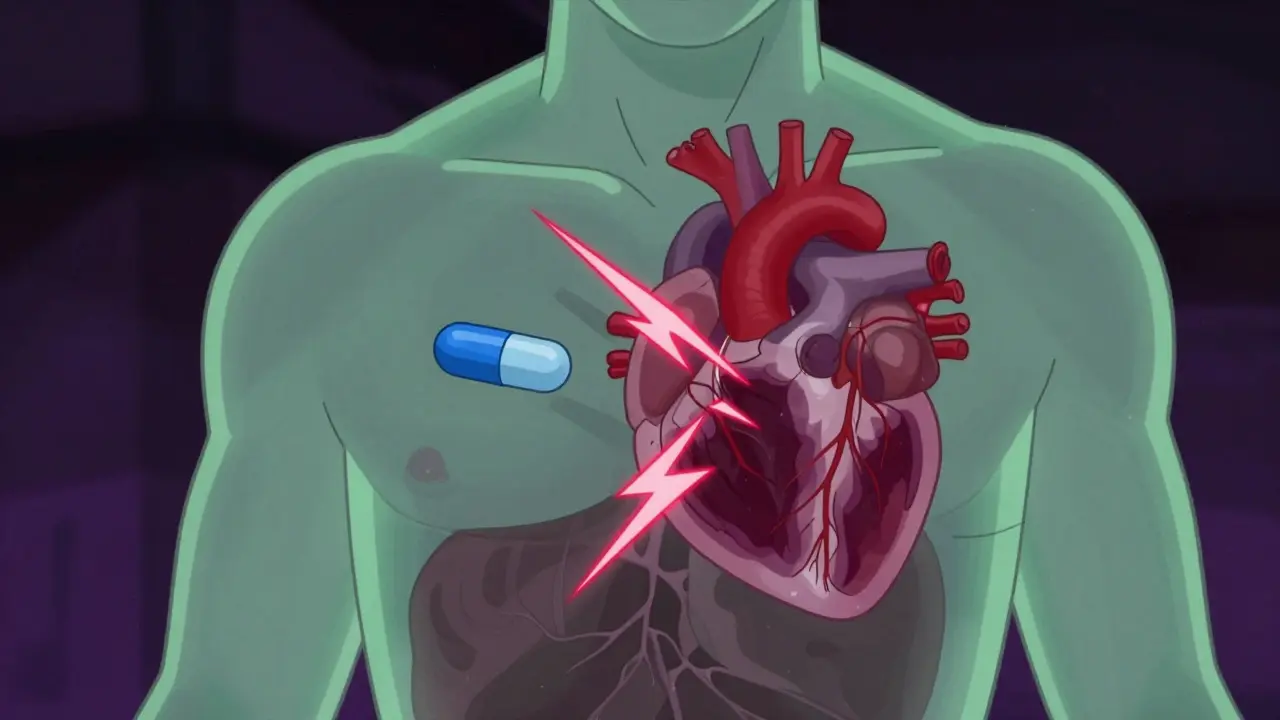
Why One Pill Can Worsen Another Condition
Imagine taking a common decongestant for a cold, only to find your blood pressure spikes to dangerous levels hours later. Or perhaps you're managing high blood pressure with beta-blockers, but suddenly find it much harder to breathe when asthma strikes. These aren't rare medical mysteries; they are classic examples of drug-disease interactions. They occur when a pharmacotherapy used to treat one medical condition adversely affects another pre-existing health condition, potentially worsening the secondary condition or reducing treatment efficacy.
This issue goes beyond simply forgetting a dose or feeling nauseous after eating. Unlike drug-drug interactions, which involve two medications clashing, these interactions pit a necessary medicine against your body's underlying health issues. According to the Agency for Healthcare Research and Quality (AHRQ), roughly 5 to 10 percent of all hospital admissions result from medication-related problems, many involving undetected interactions between prescribed drugs and chronic diseases.
How Your Body Reacts Differently
The human body isn't a static machine. When you have a long-term condition, your physiology changes. These changes alter how your organs handle medicines. Doctors categorize these risks into five primary pathways to understand them better.
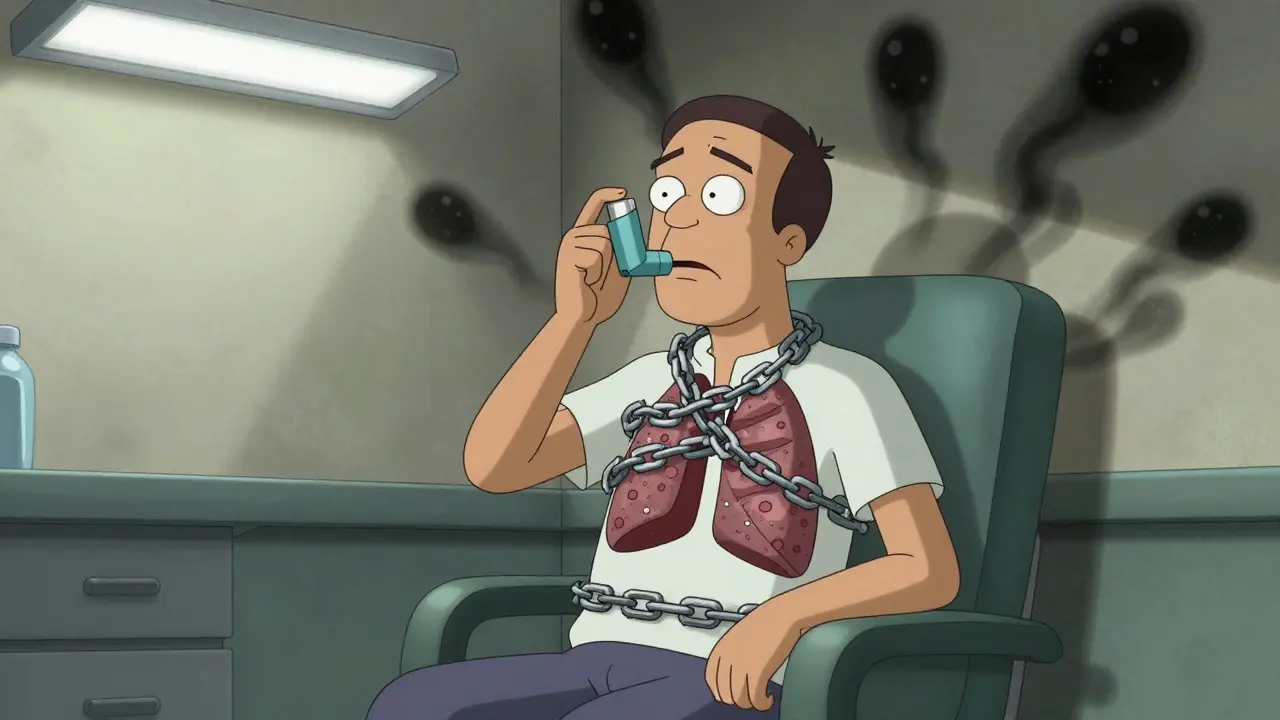
- Pharmacodynamic interference: Here, the medication does its job too well on the wrong target. For instance, beta-blockers relax the heart muscle, which helps lower blood pressure. However, in someone with severe asthma, this same mechanism constricts airways, making breathing difficult.
- Pharmacokinetic alterations: Diseases like liver cirrhosis or kidney failure slow down how you process drugs. If your liver can't metabolize warfarin efficiently, even a normal dose could turn toxic in your bloodstream.
- Masking symptoms: Sometimes, medication hides the warning signs of a problem. Beta-blockers can stop the shaking hand signal that tells a diabetic their blood sugar is dropping dangerously low, leaving them unaware of hypoglycemia until unconsciousness occurs.
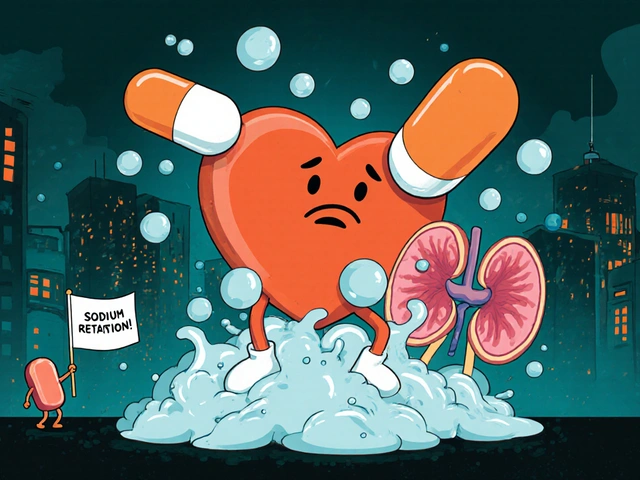
- Exacerbating complications: Non-steroidal anti-inflammatory drugs (NSAIDs) reduce pain, but they also cause the kidneys to hold onto salt and water. In a patient with heart failure, this extra fluid retention puts excessive strain on the heart.
- Direct organ toxicity: Certain drugs are filtered entirely by the kidneys. Metformin, a common diabetes drug, can lead to lactic acidosis if the kidneys cannot clear it out effectively due to renal impairment.
| Health Condition | Risky Medication Class | Potential Outcome |
|---|---|---|
| Asthma / COPD | Beta-blockers | Airway constriction and severe breathing difficulties |
| Heart Failure | NSAIDs (Ibuprofen, Naproxen) | Fluid retention, increased blood pressure, worsening heart function |
| Type 2 Diabetes | Beta-blockers | Masked hypoglycemia symptoms, altered glucose metabolism |
| Chronic Kidney Disease | Lithium / Digoxin | Accumulation leading to severe toxicity |
| Depression | Opioids + SSRIs | Risk of life-threatening serotonin syndrome |
The American Society of Health-System Pharmacists identifies chronic kidney disease, heart failure, liver disease, and psychiatric conditions as the top four comorbidities generating clinically significant issues. Together, these account for nearly 80% of documented problematic interactions in recent reviews.
Hidden Risks in Daily Supplements
Many patients assume that supplements are safe because they are sold over the counter or labeled "natural." Dr. Mark J. Ratner from the Cleveland Clinic points out that St. John's wort is one of the riskiest supplements available. When taken alongside Selective Serotonin Reuptake Inhibitors (SSRIs) commonly used for depression, St. John's wort can trigger serotonin syndrome. This reaction leads to agitation, rapid heart rate, and high blood pressure, which can become life-threatening if untreated.
CredibleMeds.org documents over 300 clinically significant drug-disease interactions. Their data shows that 62% involve cardiovascular medications. This high percentage makes sense given how widely heart conditions like hypertension are treated. However, central nervous system agents follow closely behind at 28%, indicating that mental health prescriptions require just as much scrutiny.
Why Detection Systems Fall Short
Hospitals and pharmacies use computer systems designed to catch these errors before a pill leaves the counter. Yet, technology isn't perfect. Electronic Health Record (EHR) systems like Epic often flag potential interactions, but they suffer from alert fatigue. One study noted that while these modules flagged 87% of high-risk cases, they generated false positives 42% of the time. Doctors seeing constant pop-up warnings eventually begin to ignore them.
Furthermore, clinical guidelines often lag behind real-world evidence. A systematic examination found that for major conditions like type 2 diabetes, only 16% of guidelines contained specific warnings about how the recommended treatments might interact with other common conditions like kidney disease. While organizations like the Institute for Safe Medication Practices (ISMP) push for screening protocols, fewer than 15% of current clinical guidelines adequately address these specific risks.
What You Can Do at Home
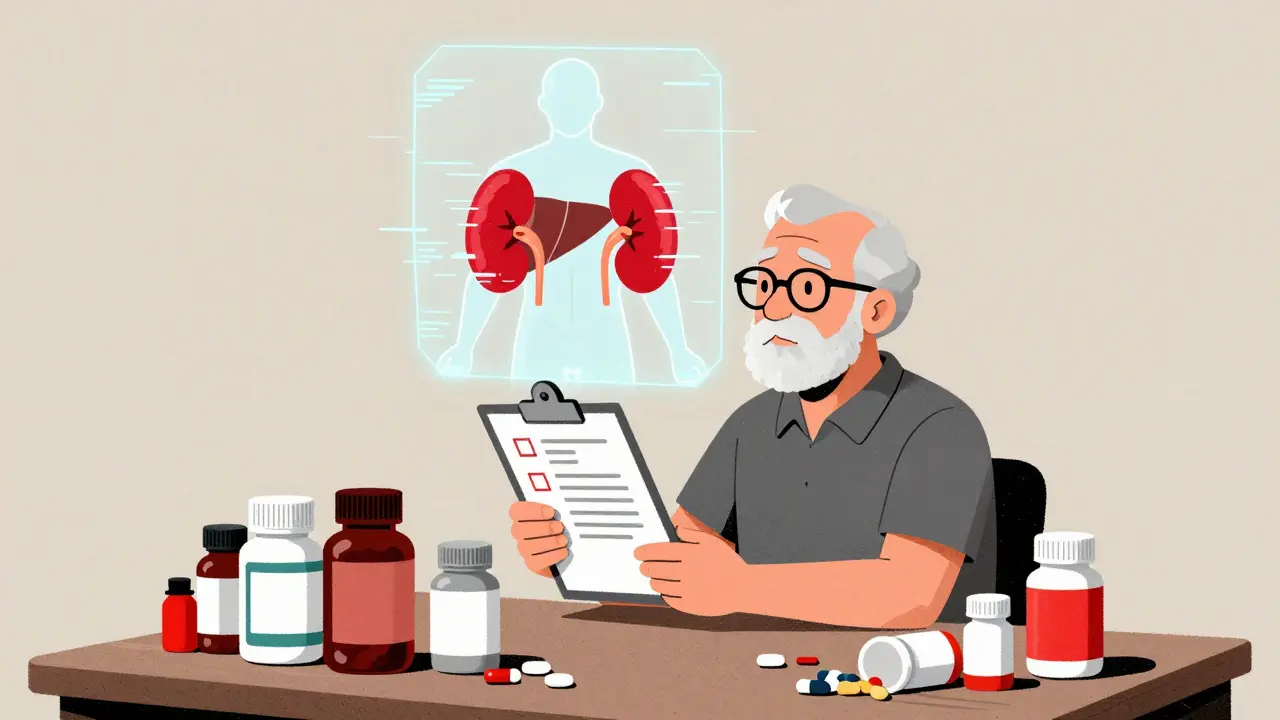
You don't need a pharmacy degree to protect yourself, but you do need to be proactive. Start by maintaining an updated list of every supplement, prescription, and over-the-counter medication you take. Bring this list to every doctor's appointment. Many older adults average nearly five chronic conditions and take more than five medications concurrently. Each added pill increases the complexity of your unique chemical environment.
Ask specific questions during your visits:
- "Could this medicine affect my kidney or liver function?"
- "Are there any conditions I haven't told you about that matter for this drug?"
- "What symptoms should I watch for that mean this drug isn't working safely?"
The Future of Personalized Safety
Medical science is moving toward predicting these issues before they happen. The NIH's All of Us Research Program is linking genomic data with electronic health records to spot individual risks. Early results suggest this personalized approach improves prediction accuracy by about 38%.
We are also seeing regulatory shifts. The European Medicines Agency now requires manufacturers to include sections on drug-disease interactions in all new drug applications. Meanwhile, researchers at the University of Toronto published findings showing that machine learning algorithms can predict high-risk scenarios with 89% accuracy. By analyzing over 150 clinical variables, these digital tools are catching subtleties human review misses. As of 2023, standards are updating rapidly. The American Geriatrics Society released new Beers Criteria that added 12 specific interaction warnings, including alerts for anticholinergics in dementia patients.
What exactly is a drug-disease interaction?
It occurs when a medication prescribed for one illness worsens a different, existing health condition in the patient. For example, taking a decongestant when you have uncontrolled high blood pressure can spike your numbers dangerously.
Are these interactions common?
Yes. Studies estimate that 5-10% of hospital admissions result from medication problems, many stemming from these interactions. The elderly population is particularly vulnerable due to multiple comorbidities.
Can I still take aspirin if I have kidney disease?
Aspirin is an NSAID, and these can stress kidney function. While low doses are sometimes approved for heart protection, high doses or regular pain relief use requires strict medical monitoring for patients with renal impairment.
How do I know if my current meds are safe?
Request a comprehensive medication review from a pharmacist. They specialize in identifying conflicts between your prescription history and your diagnosed conditions. Regular check-ups to monitor organ function are also essential.
Does age affect drug interactions?
Significantly. Aging affects how the body metabolizes drugs. Elderly patients often have reduced kidney and liver function, making standard doses potentially dangerous compared to younger individuals.


Comments
Jonathan Alexander
March 31, 2026 AT 08:59 AMI found the section on beta-blockers truly unsettling; it really highlights how standard treatments can backfire. My own experience with respiratory issues mirrors those examples perfectly. We often overlook how our bodies change over time with age. It feels like walking a tightrope between relief and harm. Nobody wants to spike their heart rate accidentally.
Cameron Redic
April 2, 2026 AT 01:27 AMThe statistics cited seem plausible but lack nuance regarding individual variance. Many factors influence how organs metabolize compounds differently. Generic guidelines rarely account for genetic metabolic pathways completely. Clinicians need more granular data before prescribing blindly. Ignoring pharmacokinetics is negligent practice in modern medicine.
Brian Yap
April 3, 2026 AT 19:36 PMDown here we get plenty of warnings but compliance is still poor. People trust labels too much without checking ingredients properly. It's a real shame when good intentions lead to hospital visits. Just wish the packaging made risks clearer for everyone. Keep safe mates.
emma ruth rodriguez
April 4, 2026 AT 20:53 PMThe complexity of drug-disease interactions demands rigorous scrutiny; negligence is simply unacceptable. Medical professionals must prioritize screening protocols during every consultation. Patients require comprehensive education regarding potential side effects immediately. Failure to monitor renal function invites severe toxicity risks silently. Blood pressure fluctuations often signal underlying metabolic disturbances quickly. Supplement usage remains largely unregulated despite known dangers clearly. Serotonin syndrome presents a lethal threat for vulnerable populations. Beta-blockers mask hypoglycemia symptoms effectively enough to cause coma. Asthma management requires avoiding certain cardiovascular agents entirely. Fluid retention from NSAIDs complicates heart failure management significantly. Electronic health records suffer from excessive noise reducing efficacy drastically. Guideline updates lag far behind emerging clinical evidence regularly. Personalized genomics offers hope for predicting adverse outcomes sooner. Regulatory agencies mandate disclosure requirements slowly improving standards. Public awareness campaigns must reach elderly demographics specifically.
Ruth Wambui
April 5, 2026 AT 11:18 AMThere is definitely a hidden agenda driving these medication approvals behind the scenes. Corporations prioritize profits while ignoring how supplements ruin people's lives secretly. They want you dependent on pills rather than healing naturally. The data suggests deliberate omission of risk warnings consistently. Watch what you consume because the truth is buried deep.
Jonathan Sanders
April 5, 2026 AT 17:13 PMOh please, everyone is paranoid about everything nowadays honestly. You act like doctors are trying to poison us with every script. Relax and read the label before making up wild stories. Your fear is doing more damage than any interaction possibly could.
Rick Jackson
April 7, 2026 AT 10:48 AMBalance is the key when navigating these medical complexities wisely. Information empowers us but anxiety paralyzes progress forward. Trust must be built between patient and provider mutually. We can manage risks through open dialogue and listening. Everyone deserves safety and dignity in healthcare settings always.
Beccy Smart
April 8, 2026 AT 15:38 PM😏 Yeah, sure, tell me about it. 🙄 Honestly half of us don't care anyway. 💊 Just take the pill and pray. 🤷♀️ Why complicate things when death is inevitable? 😬
sanatan kaushik
April 10, 2026 AT 08:18 AMThis is absolutely unacceptable risk for common medications like aspirin. People die because big pharma hides the kidney damage details. I demand full transparency before taking another supplement. Stop selling poison as vitamins under false pretenses. We need justice for those harmed by negligence.
Charles Rogers
April 11, 2026 AT 16:06 PMThe moral failing lies in trusting systems that clearly malfunction. We preach safety yet ignore the most basic physiological signals. Ignorance is not bliss when your body is shutting down. Responsibility rests on the individual to question every dose given. Wisdom comes from understanding consequences of chemical interventions.
Kendell Callaway Mooney
April 13, 2026 AT 04:57 AMJust remember to keep your medication list updated always. Bring it to appointments and ask if supplements clash. Small steps prevent big problems later on. Pharmacist checks save lives so never skip those reviews. Safety starts with knowing what is in your cup.
Calvin H
April 13, 2026 AT 23:44 PMGreat theory but good luck getting your doctor to listen.
Carolyn Kask
April 14, 2026 AT 14:46 PMStop complaining and learn how to advocate for yourself properly. Blaming others solves nothing while you keep suffering daily. Read the pamphlet instead of whining on forums constantly.
Katie Riston
April 14, 2026 AT 15:58 PMWe live in an era where chemical intervention defines existence deeply. Our biology fights the machinery of modern medicine continuously. Every pill is a negotiation between survival and toxicity carefully. Understanding these limits brings wisdom to aging gracefully now. Medicine heals but also harms depending on context constantly. The duality of therapeutic action requires mindfulness daily. Technology aids detection but cannot replace human intuition fully. Algorithms predict risk but cannot feel pain directly themselves. Patients are not variables in an equation needing solving. We must honor the fragility of the human vessel physically. Knowledge serves as armor against invisible biochemical threats quietly. Silence on these topics perpetuates unnecessary suffering widely. Awareness spreads through sharing hard truths about interactions openly. We choose safety through informed consent rather than blind trust alone.