You pick up your prescription, glance at the bottle, and walk out. It feels routine. But did you actually check if that tiny print on the back matches what your doctor intended? Most people don't stop to ask questions because they assume the pharmacist has already done their job. However, a quick two-minute conversation can prevent serious mistakes. In fact, patients who actively engage with their prescription labels by asking specific questions reduce adverse drug events by nearly half.
The label is not just a receipt; it is your primary safety net. According to the Institute for Safe Medication Practices, most medication errors happen during administration, not when the drug is made. That means the moment you are holding the bottle is the critical window to catch any issues. Here is exactly what you need to look for and ask about before you leave the counter.
Verify the '5 Rights' Before You Leave
Pharmacists use a system called the '5 Rights' to ensure accuracy. You should use it too. It takes less than a minute but catches the most common errors. Don't just nod; read these items aloud or point to them on the label.
- Right Patient: Does your name match your ID? It sounds simple, but similar names like 'John Smith' and 'Jon Smith' cause mix-ups daily. If you have a nickname you go by, make sure the label reflects how you identify yourself to avoid confusion later.
- Right Medicine: Check both the brand name (like Lipitor) and the generic name (atorvastatin). Sometimes pharmacies switch to generics to save money, which is usually fine, but you need to know the active ingredient hasn't changed unexpectedly.
- Right Amount: Is the dosage correct? If you were prescribed 10 mg but the label says 20 mg, speak up immediately. This is where strength confusion happens most often.
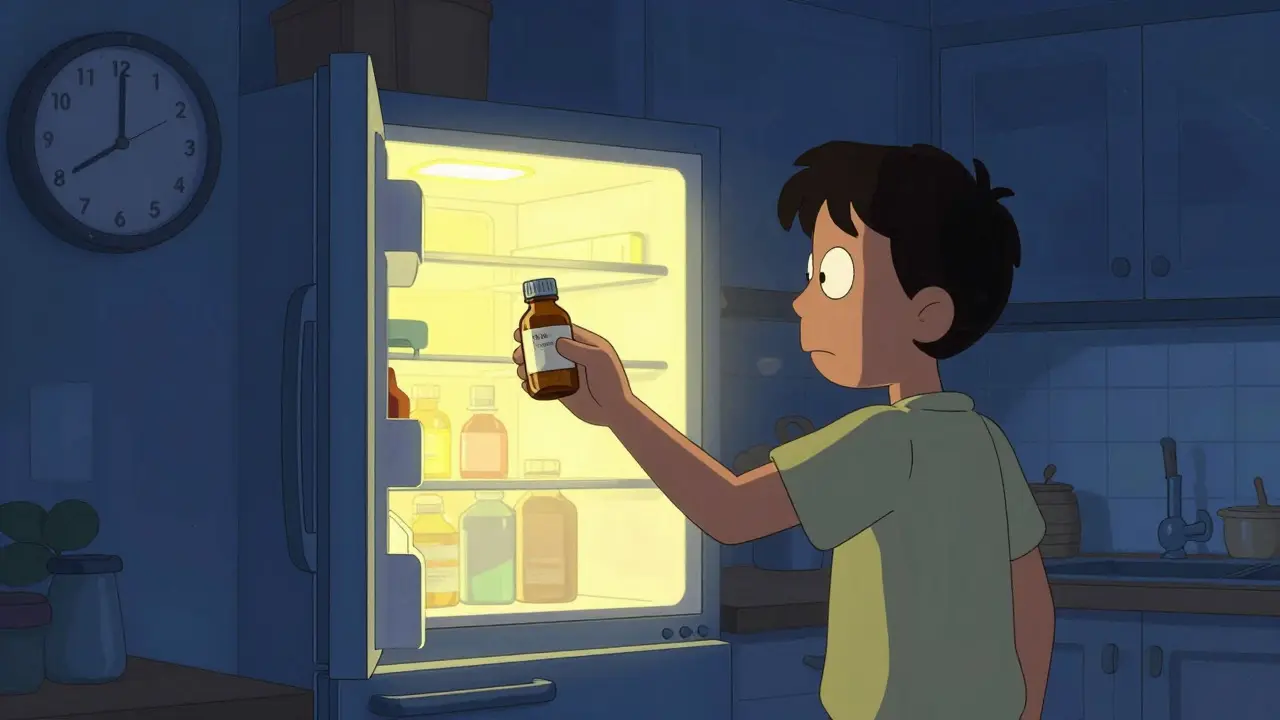
- Right Way: How do you take it? By mouth? With food? On an empty stomach? The label might say 'PO BID' (by mouth twice a day), which is jargon. Ask the pharmacist to translate that into plain English.
- Right Time: When do you take it? Morning, night, or with meals? Some drugs lose effectiveness if taken at the wrong time of day.
If any of these five points feel off, stop. Do not assume it's a typo. Ask for clarification right then and there. It is much easier to fix it in the pharmacy than to realize you've been taking the wrong dose for a week.
Decode the Abbreviations and Jargon
Medical abbreviations are notorious for causing confusion. A survey of patient feedback showed that over a third of complaints about prescription labels involved unclear shorthand. Instead of guessing what 'SL' or 'QID' means, ask the pharmacist to explain every symbol.
| Abbreviation | Meaning | Example Question to Ask |
|---|---|---|
| PO | By mouth | "Do I swallow this whole or can I crush it?" |
| BID | Twice a day | "Should I space these 12 hours apart?" |
| TID | Three times a day | "Can I take all three at once or spread them out?" |
| HS | At bedtime | "Will this make me drowsy if I take it in the morning?" |
| AC | Before meals | "How long before eating should I take this?" |
| PC | After meals | "Does this need to be taken with a full meal or just snacks?" |
Also, pay attention to the quantity. If you are prescribed a 30-day supply but only get 14 pills, ask why. Maybe the pill size requires fewer per bottle, or maybe there was a dispensing error. Catching this now saves you a trip back next month.
Check Storage and Expiration Details
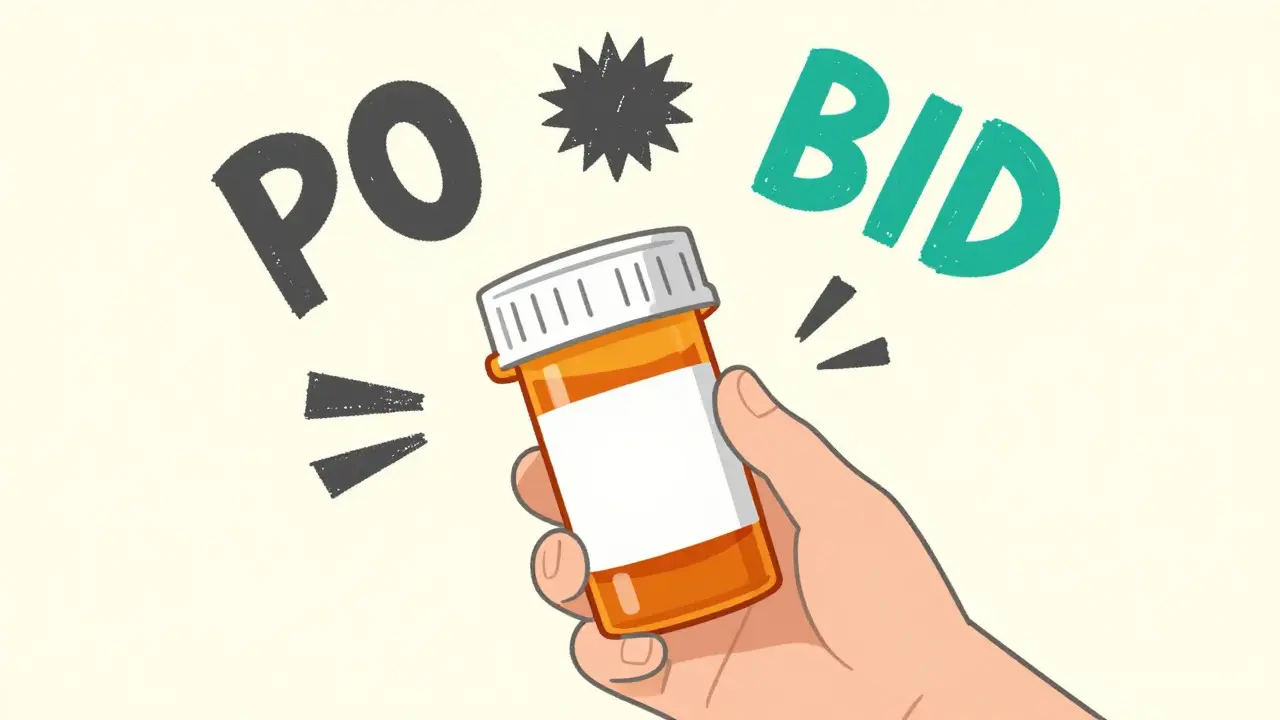
This is where many people slip up. The FDA requires expiration dates, but storage conditions vary wildly. About 78% of medications need room temperature (68-77°F), but 15% require refrigeration. If you store insulin or certain eye drops on the kitchen counter, they may lose potency before the expiration date even arrives.
Ask specifically: "Does this need to stay in the fridge?" and "What happens if I leave it in a hot car?" Many patients report finding out too late that their blood pressure medication needed cooling because the instruction was buried in small print. Also, check the expiration date. If it is close to expiring, ask if you can fill a smaller quantity first to avoid waste.
For liquids, ask about shaking. Some suspensions separate over time and need vigorous shaking before each dose. If you don't shake it, you might get a weaker dose. This is a simple physical action that ensures you get the full benefit of the drug.
Understand Refills and Insurance Limits
Your label shows the number of refills remaining. But does that match your insurance coverage? With complex Medicare Part D tiers and other plans, refill limits can be confusing. If the label says '3 refills' but your doctor intends for you to take this for six months, ask the pharmacist to clarify the plan.
Ask: "When will I run out based on my current dosage?" and "Do I need a new prescription from my doctor after these refills?" This prevents the awkward situation of running out of medication on a weekend when clinics are closed. Pharmacies can often help coordinate with your doctor's office to send a renewal request early.
If you are using a mail-order service or a different pharmacy chain, ask if the label format changes. Some chains use digital labels or QR codes that link to video instructions. While convenient, you need to ensure you have access to those resources. If you prefer paper clarity, ask if they can provide a printed summary of key instructions.
Address Side Effects and Interactions
The label rarely lists every possible side effect. It might mention 'dizziness' but not specify how severe it could be. Ask the pharmacist: "What are the most common side effects I should watch for in the first week?" and "Are there any foods or drinks I should avoid?"
For example, some antibiotics lose effectiveness if taken with dairy products. If your label doesn't explicitly state this, ask. Similarly, grapefruit juice interacts with certain statins and blood pressure meds. These interactions aren't always highlighted on the front of the label. A quick question here can save you from reduced medication efficacy or unpleasant reactions.
Also, ask about what to do if you miss a dose. Should you take it as soon as you remember, or skip it until the next scheduled time? Taking double doses can be dangerous for some heart medications. Get a clear rule for missed doses written down or noted in your phone.
Practical Tips for Better Label Comprehension
If you struggle with reading small print or understanding medical terms, you have options. About 92% of U.S. pharmacies offer large-print labels upon request. Don't be shy-ask for one. It makes a huge difference for older adults or those with visual impairments.
If English is not your first language, ask for translation services. The Affordable Care Act mandates translation support for pharmacies receiving federal funds. Use this resource to ensure you fully understand the instructions. Misunderstanding due to language barriers is a leading cause of medication errors among non-native speakers.
Finally, consider using the 'teach-back' method. After the pharmacist explains the instructions, repeat them back in your own words. Say, "So, I take one pill every morning with breakfast, and I don't need to worry about the fridge." This confirms that both of you are on the same page. It turns a passive pickup into an active verification process.
Is it rude to ask so many questions at the pharmacy counter?
Not at all. Pharmacists expect and appreciate these questions. Their goal is safe medication use. Asking clarifies doubts and builds trust. It is better to spend two minutes now than deal with a side effect later.
What if the generic name on the label is different from what my doctor wrote?
This is normal. Pharmacies often substitute brand-name drugs with cheaper generic equivalents that contain the same active ingredient. Just verify that the strength and dosage form remain the same. If you had a reaction to a specific brand, tell the pharmacist to keep the brand version.
How long should I keep old prescriptions in case I need them again?
Keep the label or a photo of it for at least one year. If you react to a drug later, having the exact manufacturer and lot number helps trace the issue. For chronic conditions, keeping a log of past labels helps doctors adjust future prescriptions accurately.
Do I need to ask about storage for every single pill?
Yes, especially for new medications. Storage needs vary by formulation. A tablet might be stable at room temperature, while a liquid version of the same drug might need refrigeration. Always confirm the specific storage requirements for the form you received.
What should I do if the label is smudged or hard to read?
Ask for a reprint immediately. Do not guess at blurred text. A smudged dosage instruction is a safety risk. Most pharmacies can reprint labels quickly at no extra cost. Ensure the new label is crisp and legible before leaving.