
DDK Health Live - Page 7
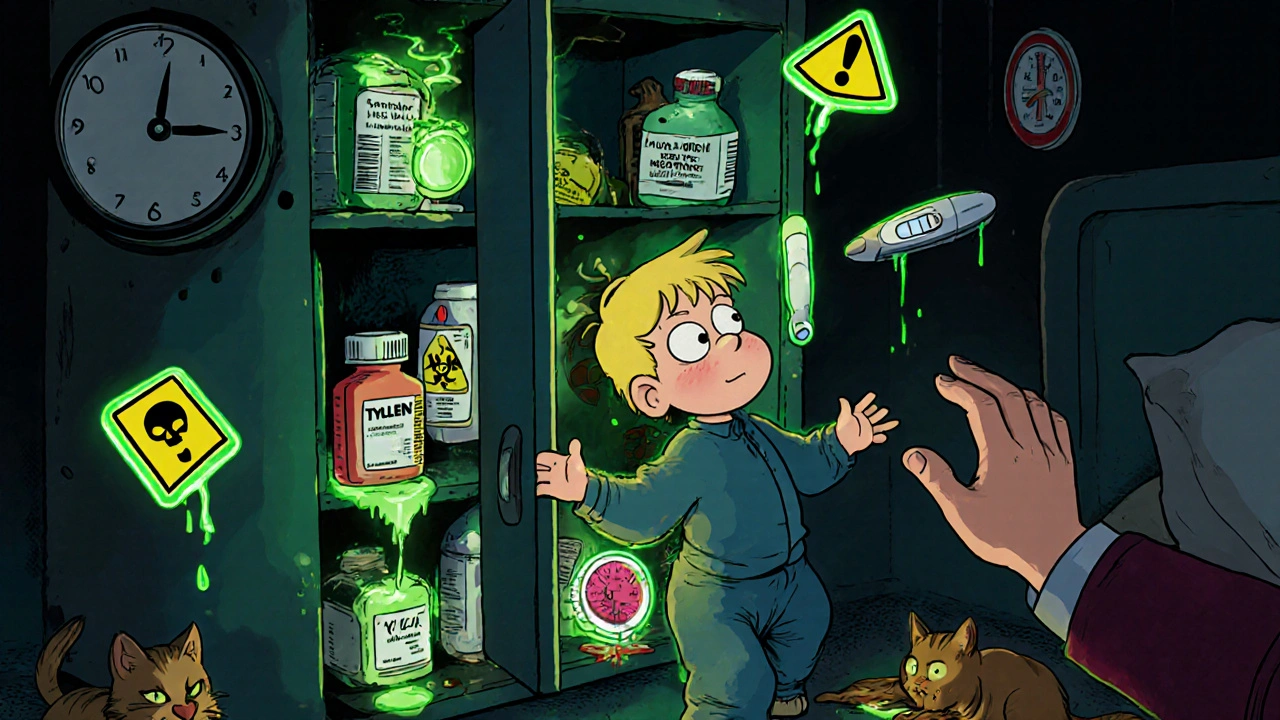
How to Safely Dispose of Expired Pediatric Medications
Expired pediatric medications can be dangerous-even deadly-for children. Learn how to safely dispose of them, where to find take-back programs, and how to prevent accidental poisoning in your home.
Viral Warts: HPV Infection and How to Remove Them Effectively
Viral warts are caused by HPV and can appear on hands, feet, or face. While many clear on their own, treatments like salicylic acid and cryotherapy offer effective removal options with proven results.
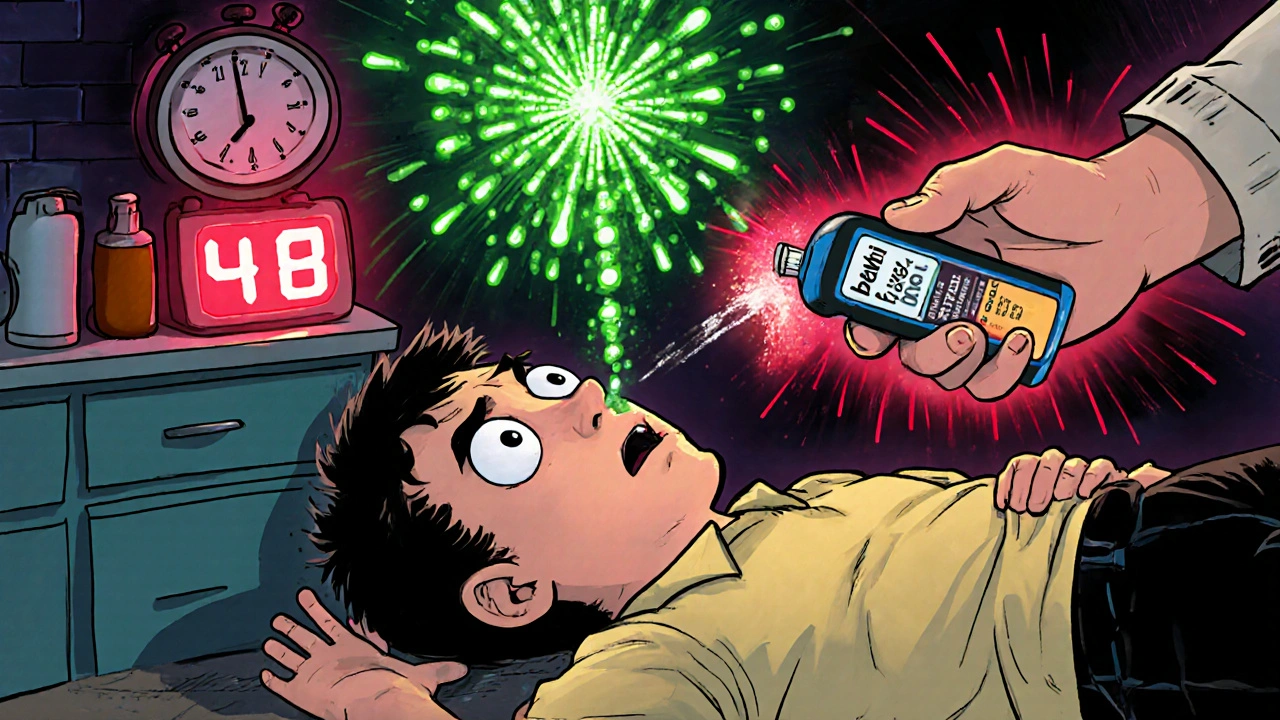
Severe Hypoglycemia and Hyperglycemia from Diabetes Medications: Emergency Care Protocols
Severe hypoglycemia and hyperglycemia from diabetes medications require immediate, correct emergency care. Know when to use glucagon, how to recognize DKA, and what to do before calling 911.
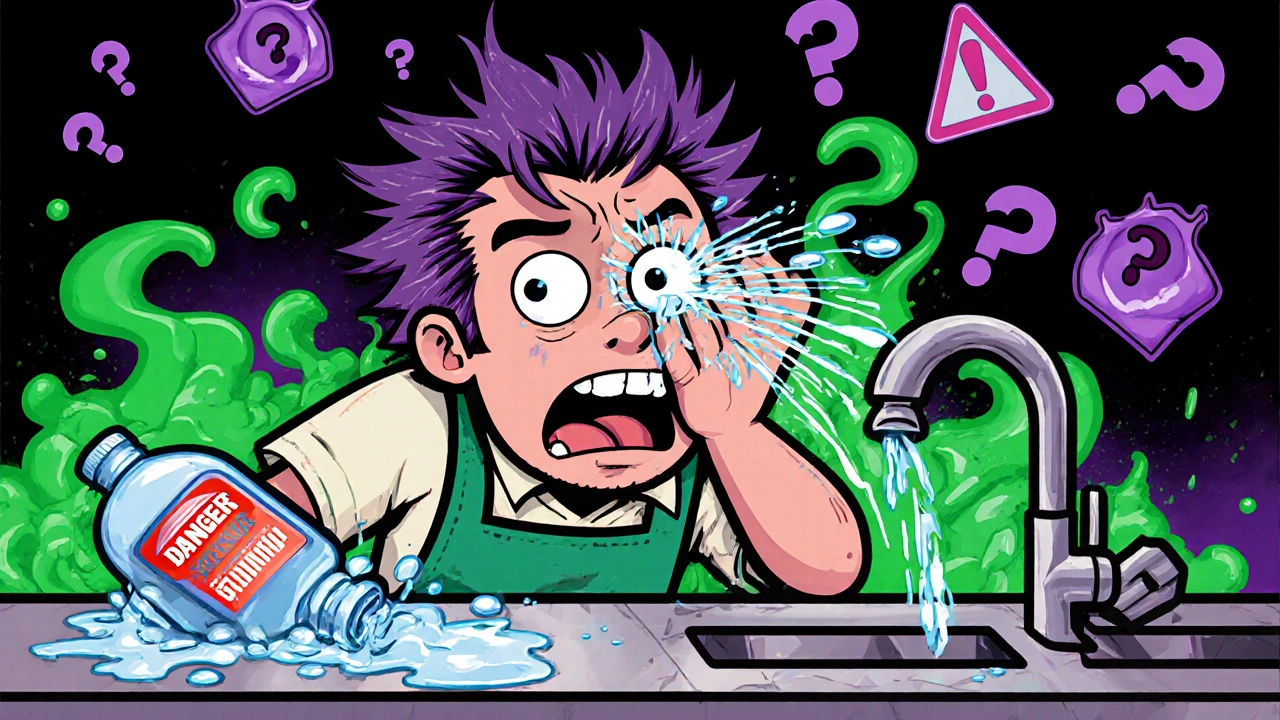
Ocular Trauma: Chemical Splashes and Immediate First Aid Steps
Learn the critical steps to take after a chemical splash in the eye. Immediate, continuous flushing with water for at least 20 minutes can prevent permanent vision loss. Know what to do-and what not to do-when seconds count.
SGLT2 Inhibitors and Bone Health: What You Need to Know About Fracture Risk
SGLT2 inhibitors help control diabetes and protect the heart and kidneys, but canagliflozin may raise fracture risk in vulnerable patients. Learn who should avoid it and which alternatives are safer.
Donepezil and Anxiety: What You Need to Know
Donepezil is used for Alzheimer’s, but it can cause anxiety in up to 20% of users. Learn why this happens, who’s at risk, and how to manage it safely without stopping treatment.
Orthostatic Hypotension from Medications: Why You Feel Dizzy When You Stand Up
Dizziness when standing up may be caused by common medications like blood pressure pills, antidepressants, or opioids. Learn which drugs trigger orthostatic hypotension and how to safely manage it.
Compare Isoptin (Verapamil) with Alternatives: What Works Best for High Blood Pressure and Angina
Compare Isoptin (verapamil) with top alternatives like amlodipine, lisinopril, and metoprolol for high blood pressure and angina. Learn which works best, side effects, costs in the UK, and when to switch.
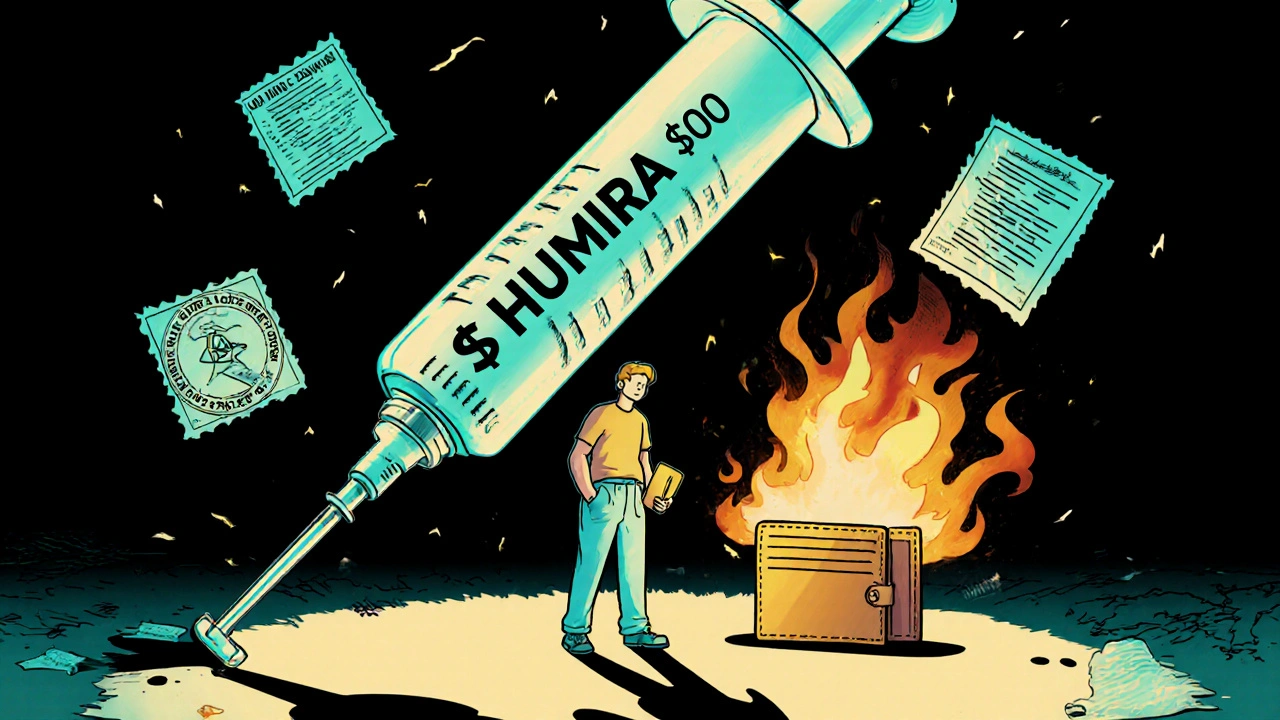
How to Understand Biosimilars and Their Cost Implications
Biosimilars offer safe, effective alternatives to expensive biologic drugs, with potential savings of 15-35%. Learn how they work, why they're cheaper, and how to access them without compromising care.
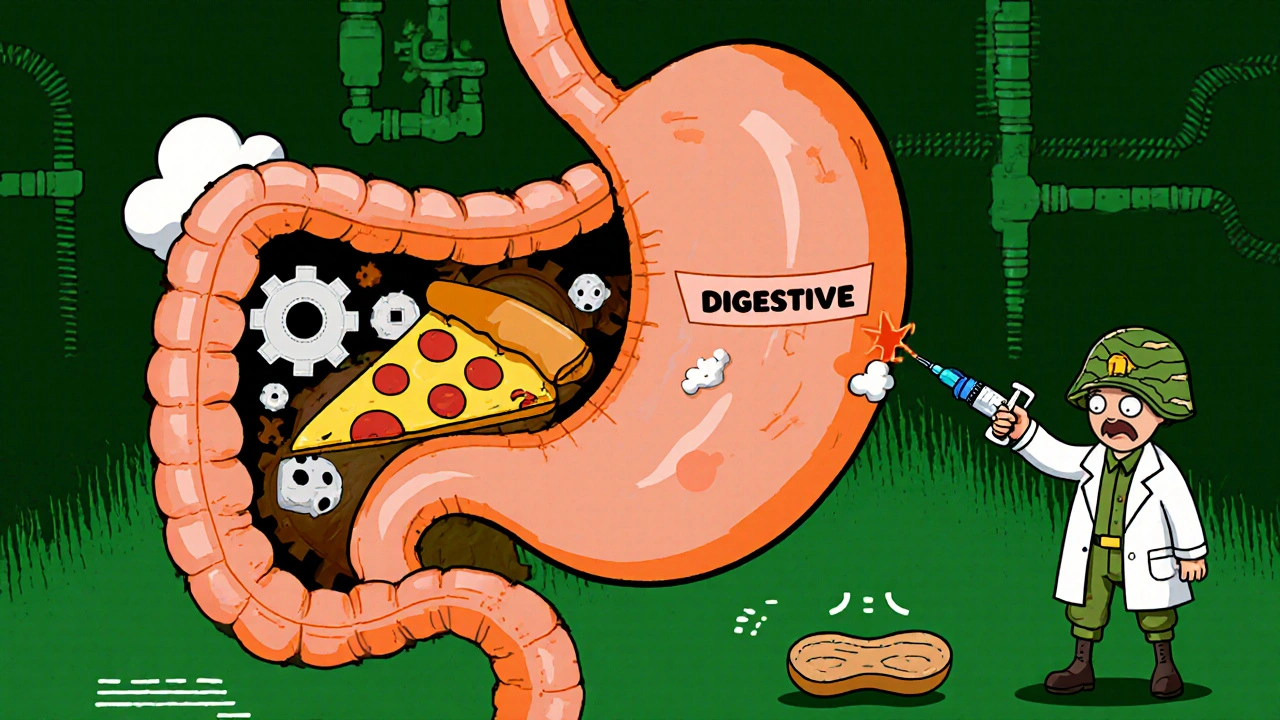
Food Intolerance vs. Allergy: GI Symptoms and Testing Explained
Learn the key differences between food intolerance and food allergy, including GI symptoms, testing methods, and management strategies. Know when to see a doctor and avoid misleading tests.
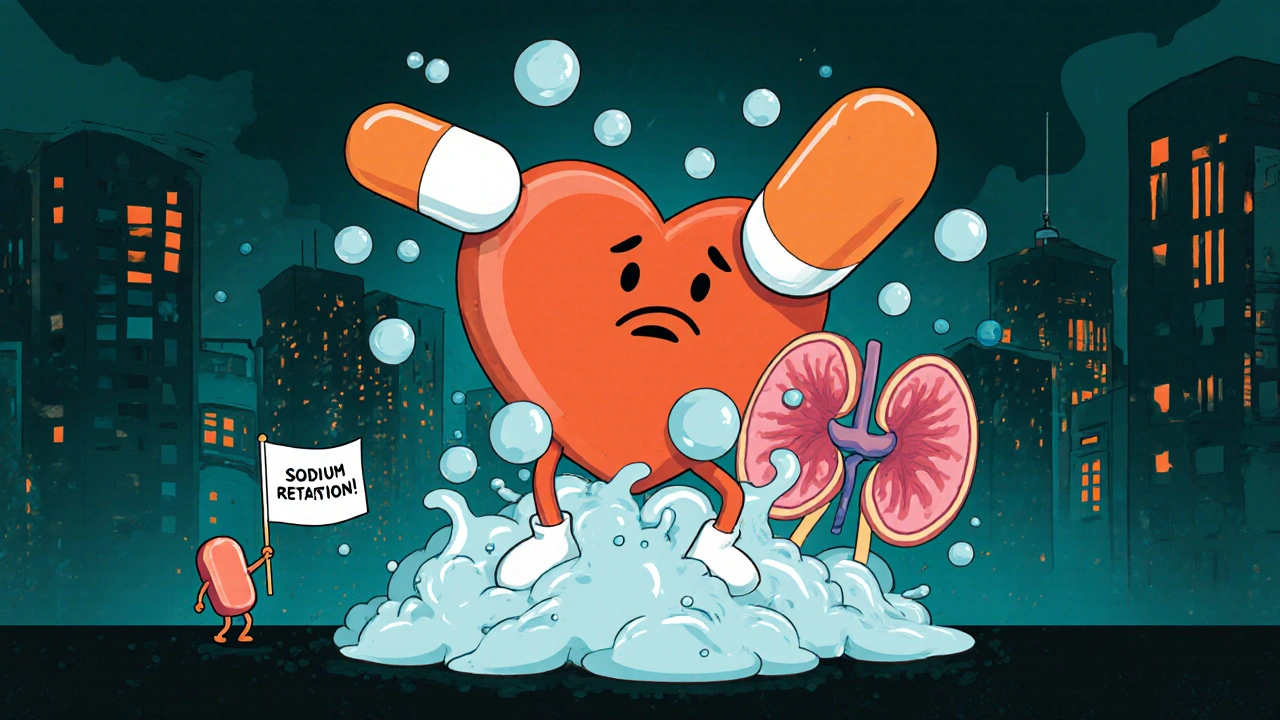
NSAIDs and Heart Failure: How Common Pain Relievers Increase Fluid Retention and Hospitalization Risk
NSAIDs like ibuprofen and naproxen can cause dangerous fluid retention in heart failure patients, increasing hospitalization risk even with short-term use. Learn why no NSAID is safe and what alternatives to use instead.
Clinical Outcomes Data: What Studies Tell Providers About Generics
Clinical outcomes data shows generic drugs are just as effective and safe as brand-name medications for most conditions. Providers can confidently prescribe generics to improve adherence and reduce costs without compromising care.