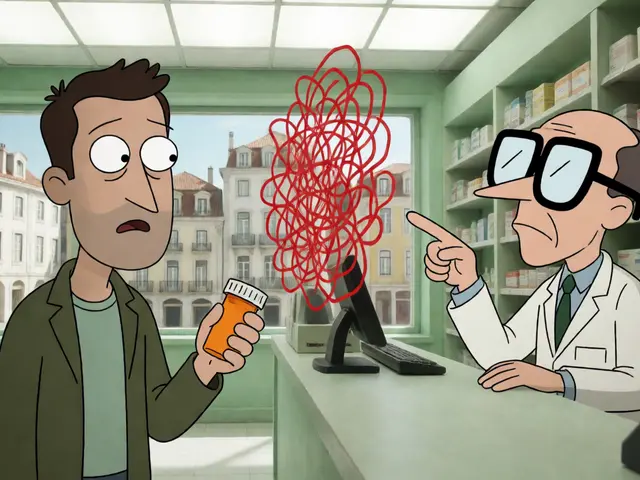

Imagine a surgeon standing over an open chest, hands deep inside a patient’s body. They need antibiotics immediately to prevent infection, but their hands are sterile. They cannot type on a keyboard or write on paper without breaking protocol. They speak the order into the air, trusting that someone listening will catch every syllable correctly. This is the reality of verbal prescriptions, defined as medication orders communicated orally either in person or by telephone. While technology has moved healthcare forward, this method remains a necessary, albeit dangerous, bridge in medical practice.
The stakes here are life and death. Miscommunication isn't just an inconvenience; it is a documented killer. According to the Institute for Safe Medication Practices Canada (ISMP Canada), verbal orders carry a staggering 30-50% error rate when not handled with extreme care. In contrast, electronic prescriptions boast accuracy rates between 85% and 95%. Yet, despite these numbers, regulations from the Centers for Medicare & Medicaid Services (CMS) and The Joint Commission still permit verbal orders. Why? Because in emergencies and sterile procedures, they are often the only option. The goal of this guide is not to ban them, but to show you how to execute them safely, ensuring that clarity wins over chaos.
Why Verbal Orders Are High-Risk
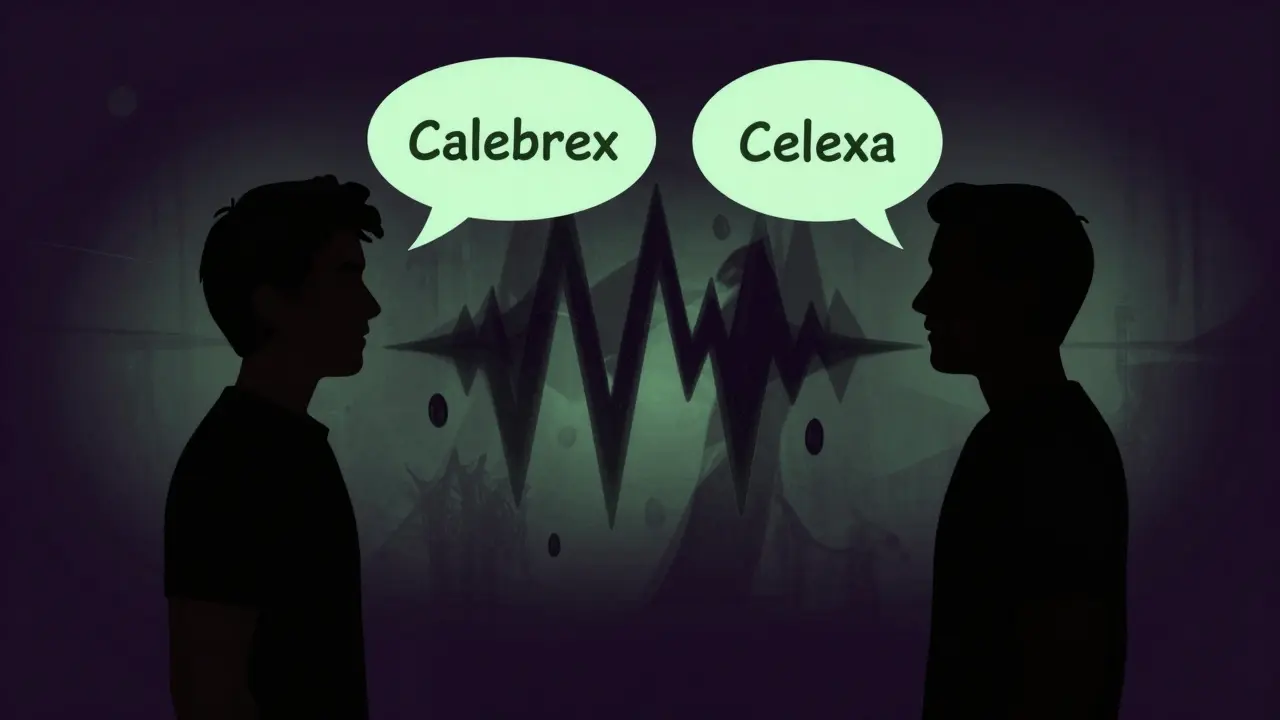
To understand the safety protocols, you first have to respect the danger. Human hearing is imperfect. Background noise, accents, fatigue, and stress all distort information. The American Academy of Family Physicians (AAFP) flagged this issue as early as 2002, noting that sound-alike drug names are a primary culprit. Think about it: "Celebrex" and "Celexa" sound nearly identical if spoken quickly. "Zyprexa" and "Zyrtec" are another pair that can cause disastrous mix-ups. Dr. Michael Cohen, President of ISMP, has documented that sound-alike confusion accounts for 34% of all verbal order errors.
It gets worse with numbers. Saying "fifteen milligrams" can easily be heard as "fifty milligrams" or even "five milligrams" in a noisy emergency room. A ten-fold dosing error can turn a routine treatment into a fatal event. The Pennsylvania Patient Safety Reporting System (PA-PSRS) tracked these incidents starting in 2004, revealing that 42% of verbal order errors occur during shift changes-a time when staff are tired, distracted, and rushing. Understanding these vulnerabilities is the first step toward mitigating them.
The Golden Rule: Read-Back Verification
If there is one non-negotiable rule in verbal prescribing, it is the read-back. Also known as the "repeat-back," this process requires the receiver (usually a nurse or pharmacist) to repeat the entire order back to the prescriber word-for-word before any action is taken. The Joint Commission made this a National Patient Safety Goal in 2006, and for good reason. Studies cited by the Agency for Healthcare Research and Quality (AHRQ) show that proper implementation of read-backs can reduce medication errors by up to 50%.
Here is how it works in practice:
- The Order: The doctor says, "I want Ampicillin, two hundred milligrams, intravenous, now."
- The Repeat: The nurse responds, "You ordered Ampicillin, two hundred milligrams, IV, now."
- The Confirmation: The doctor listens carefully. If it matches, they say, "Correct." If not, they correct it immediately.
This seems simple, but human factors get in the way. A 2020 Joint Commission survey found that 63% of nurses reported resistance from prescribers who view the read-back as an insult to their competence or a waste of time. You must overcome this cultural barrier. Frame the read-back not as a test of the doctor's speech, but as a standard safety check, like putting on a seatbelt. It protects everyone.
Communication Protocols for Precision
Beyond the read-back, the way you speak matters immensely. ISMP Canada’s 2020 guidelines provide specific techniques to eliminate ambiguity. First, never use abbreviations. Never say "BID"; say "twice daily." Never say "PO"; say "by mouth." Abbreviations are open to interpretation and are a major source of error.
Second, spell out drug names phonetically. Do not assume the listener knows the spelling. Say, "Ampicillin, spelled A-M-P-I-C-I-L-L-I-N." This takes three extra seconds but prevents catastrophic mistakes. Third, pronounce numbers using two different methods. For example, say "fifteen milligrams, also stated as one-five milligrams." Using both words and digits provides a cross-check for the listener's brain.
Consider the case of Hydralazine and Hydroxyzine. These drugs treat completely different conditions-one lowers blood pressure, the other treats anxiety. Spoken quickly, they are indistinguishable. By spelling them out and confirming the indication (e.g., "for hypertension" vs. "for agitation"), you create multiple layers of safety.
Documentation and Authentication Requirements
A verbal order does not exist legally until it is written down. As the PA-PSRS advisory starkly put it, "the only real record of a verbal order is in the memories of those involved," and memories fade. Immediate transcription into the Electronic Health Record (EHR) is mandatory.
The documentation must include specific elements to be valid:
- Patient name and identifiers
- Medication name (spelled out)
- Dosage with units specified (e.g., mg, mL)
- Route of administration (IV, oral, etc.)
- Frequency and timing
- Clinical indication (why the drug is being given)
- Prescriber identification
- Time and date of the order
CMS requires authentication by the ordering practitioner within 48 hours. However, leading institutions like Johns Hopkins mandate same-shift verification to close the loop faster. Delays in authentication leave the order in a gray area where it can be ignored or misinterpreted by subsequent staff. If you are the receiver, document the exact time you received the order. If you are the prescriber, sign off as soon as possible. Procrastination is a patient safety risk.
High-Alert Medications and Restrictions
Not all drugs are created equal when it comes to verbal orders. Some medications have a narrow therapeutic index, meaning the difference between a helpful dose and a harmful one is tiny. These are called high-alert medications. The Pennsylvania Patient Safety Authority specifically prohibits verbal orders for chemotherapy agents, except to hold or discontinue treatment. Why? Because a dosing error in chemo can be lethal and irreversible.
Similarly, insulin, heparin, and opioids are restricted in non-emergent situations. Insulin errors can cause severe hypoglycemia. Heparin overdoses lead to uncontrolled bleeding. Opioid miscalculations can stop breathing. Washington State Department of Health’s 2018 guidelines recommend prohibiting verbal orders for these classes entirely unless an emergency dictates otherwise. Know your institution's policy. If you are unsure whether a drug is high-alert, treat it as if it is and avoid verbal orders.
| Feature | Verbal Orders | Electronic Prescriptions (CPOE) |
|---|---|---|
| Accuracy Rate | 50-70% (with read-back) | 85-95% |
| Error Type | Mishearing, sound-alikes | Selection errors, system glitches |
| Best Use Case | Emergencies, sterile fields | Routine care, outpatient settings |
| Documentation Speed | Delayed (requires transcription) | Immediate |
| Regulatory Risk | High (strict audit trails needed) | Low (automated logs) |
Workflow Integration and Culture Change
Technology helps, but culture drives safety. Computerized Physician Order Entry (CPOE) systems have reduced verbal order rates from 22% to 10% in many hospitals, according to AHRQ data. However, verbal orders still account for 10-15% of hospital medication orders and up to 25% in ambulatory care. They are not going away.
The challenge is workflow integration. Doctors are often interrupted while prescribing. The AAFP suggests using verbal cues like, "Let me complete your prescription, and then I'll answer your question," to minimize distractions. Nurses need dedicated time to perform read-backs without feeling rushed. ECRI Institute notes that staff require 3-5 supervised transactions to become proficient with these protocols. Training is not optional; it is essential.
Furthermore, language barriers add complexity. A 2021 Medscape survey found that 68% of nurses reported near-miss incidents due to unclear speech, particularly involving non-native English speakers. In these cases, slow down. Speak clearly. Use interpreters if necessary. Never guess. If you are uncertain, ask for clarification. There is no shame in asking, "Can you please repeat that?" It is the most powerful tool in your safety arsenal.
Future Trends and Regulatory Updates
The landscape is evolving. CMS updated its guidelines in 2022 to allow authorized documentation assistants to enter verbal orders into EHRs at the physician's direction, aiming to speed up authentication. The FDA launched an initiative in 2024 to standardize pronunciations for high-risk drug names. Meanwhile, voice recognition technology is improving, potentially reducing the need for manual dictation. KLAS Research predicts verbal order rates could drop to 5-8% by 2025 as these technologies mature.
However, Dr. Robert Wachter noted in NEJM Catalyst that certain clinical scenarios will always require verbal communication. Sterile fields, cardiac arrests, and trauma bays will never be fully digitized. Therefore, the skills required for safe verbal prescribing-active listening, precise articulation, and rigorous verification-will remain permanently necessary. The future is not about eliminating verbal orders, but about making them safer through better training and supportive technology.
Are verbal prescriptions legal?
Yes, verbal prescriptions are legal under CMS and Joint Commission regulations, provided they follow strict protocols including read-back verification and timely authentication. However, state laws may vary, so practitioners must comply with local scope of practice laws.
What is the read-back rule?
The read-back rule requires the receiver of a verbal order to repeat the entire order back to the prescriber verbatim for confirmation before administering the medication. This is a mandatory safety standard to prevent miscommunication errors.
Which medications should never be ordered verbally?
High-alert medications such as chemotherapy agents, insulin, heparin, and opioids should generally not be ordered verbally except in true emergencies. Many institutions prohibit verbal orders for these drugs entirely due to the high risk of severe harm from dosing errors.
How long does a prescriber have to authenticate a verbal order?
CMS requires authentication within 48 hours. However, best practices and many hospital policies, such as those at Johns Hopkins, mandate same-shift verification to ensure immediate accountability and reduce the window for potential errors.
Why are sound-alike drug names dangerous?
Sound-alike drug names, such as Celebrex and Celexa, are easily confused when spoken, leading to significant medication errors. ISMP reports that sound-alike confusion accounts for 34% of verbal order errors, making phonetic spelling and clear indication crucial.