

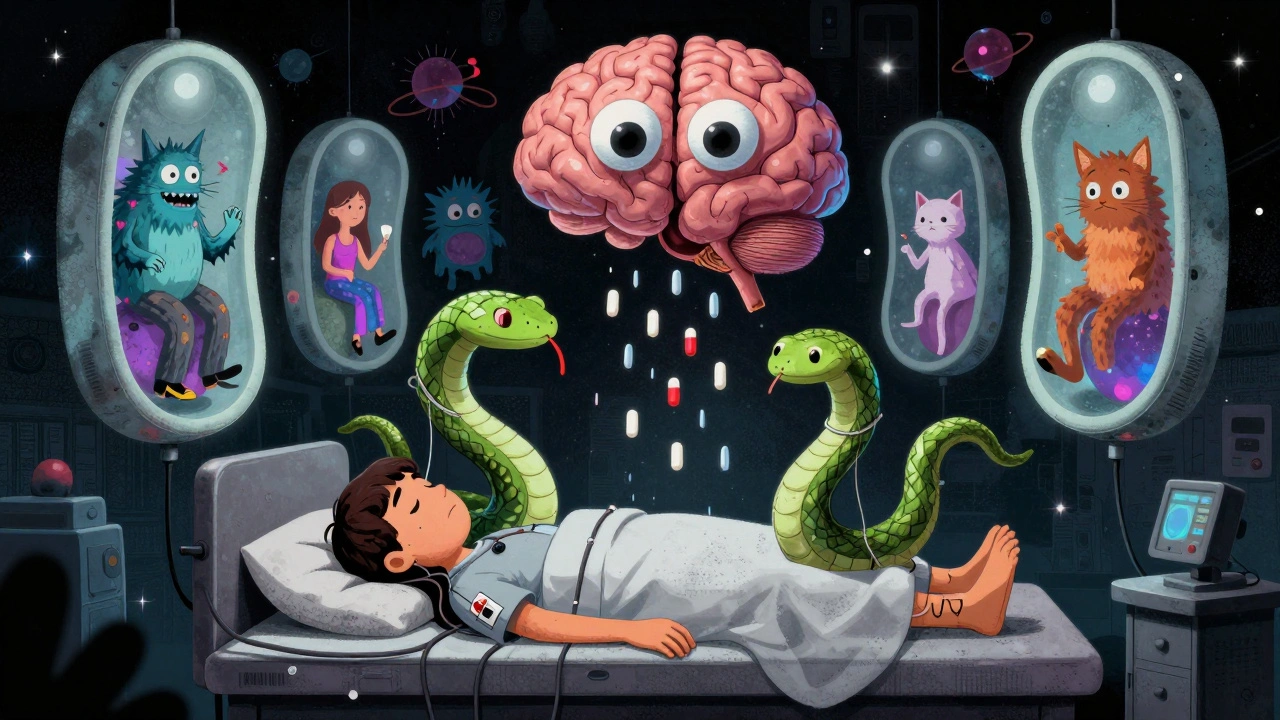
When you’re exhausted no matter how much you sleep, and your body suddenly shuts down in the middle of a conversation or while driving, it’s not just laziness - it’s narcolepsy. This isn’t ordinary tiredness. It’s a neurological disorder where the brain can’t control sleep-wake cycles properly, leading to excessive daytime sleepiness that hits like a wave you can’t swim against. People with narcolepsy don’t just feel sleepy; they have uncontrollable sleep attacks - sometimes six or more a day - that last 15 to 30 minutes and leave them refreshed, only to feel the pull again minutes later.
What Narcolepsy Really Feels Like
Narcolepsy isn’t just about falling asleep at the wrong time. It’s a complex condition with five core symptoms that often show up together. About 1 in 2,000 people have it, and while it usually starts between ages 10 and 30, nearly a quarter of cases don’t appear until after 40. The most obvious sign is excessive daytime sleepiness - an overwhelming, unavoidable need to sleep that happens daily for at least three months. Unlike normal fatigue, this isn’t solved by caffeine or a nap. It’s a neurological glitch.
Many people also experience cataplexy - sudden muscle weakness triggered by strong emotions like laughter, surprise, or anger. Think of it like your body’s power button being flipped off. Your knees buckle, your head drops, your jaw goes slack - but you’re fully awake. This only happens in Type 1 narcolepsy, which accounts for about 70% of cases. It’s tied to a loss of hypocretin, a brain chemical that helps keep you alert. Without it, your brain can’t maintain wakefulness.
Nighttime sleep isn’t any better. Eighty-five percent of people with narcolepsy have fragmented sleep, waking up four to six times a night even though they spend eight or more hours in bed. Sleep paralysis - the terrifying feeling of being awake but unable to move - happens to 60% of patients, usually when falling asleep or waking up. And 75% report vivid, scary hallucinations as they drift off or come to - seeing figures in the room, hearing voices, feeling pressure on the chest. These aren’t dreams. They’re real sensory experiences happening while your brain is half-asleep.
How Narcolepsy Is Diagnosed
There’s no simple blood test for narcolepsy. Diagnosis requires a two-step process. First, you spend a night in a sleep lab for a polysomnogram - a full overnight sleep study that checks for other sleep disorders like sleep apnea. Then, the next day, you take the Multiple Sleep Latency Test (MSLT). This involves five 20-minute nap opportunities spaced two hours apart. If you fall asleep in under eight minutes on average and enter REM sleep during two or more naps, that’s a strong indicator of narcolepsy.
An even more definitive test is measuring hypocretin-1 levels in cerebrospinal fluid via a spinal tap. Levels below 110 pg/mL confirm Type 1 narcolepsy. But because this test is invasive, doctors often rely on the MSLT results combined with symptoms. The updated 2023 International Classification of Sleep Disorders (ICSD-3) made these criteria stricter, helping reduce misdiagnosis. Many people wait years for the right diagnosis because symptoms are mistaken for depression, ADHD, or just poor sleep habits.
Stimulants: The First-Line Treatment for Daytime Sleepiness
There’s no cure for narcolepsy - yet. But we can manage the symptoms, and the most effective way to fight excessive daytime sleepiness is with stimulant medications. These don’t fix the broken hypocretin system. They help your brain stay awake anyway.
The most commonly prescribed stimulants fall into three groups: modafinil and armodafinil, traditional stimulants like methylphenidate and amphetamines, and newer non-stimulant options. Modafinil (brand name Provigil) was approved by the FDA in 1998 and remains the go-to first-line treatment. It works by increasing dopamine in the brain and boosting the hypocretin system indirectly. Most people take 200 mg in the morning, sometimes up to 400 mg if needed. In clinical trials, 70% of users saw at least a 5-point drop on the Epworth Sleepiness Scale - a big improvement for someone who started at 18 or 20.
Armodafinil (Nuvigil) is the longer-lasting version of modafinil. It’s the R-enantiomer, meaning it stays active in the body longer - about 15 hours compared to 12. That means one daily dose is often enough. In a 2019 trial, 65% of patients on armodafinil got their Epworth scores below 10, compared to just 32% on placebo. Many patients prefer it because it avoids the mid-afternoon crash that can happen with modafinil.
Traditional stimulants like methylphenidate (Ritalin) and mixed amphetamine salts (Adderall) work faster and harder. They’re more potent, making them useful for severe cases where modafinil doesn’t cut it. About 80% of patients respond well. But they come with risks. These drugs increase heart rate and blood pressure, can cause anxiety, appetite loss, and emotional blunting. In one study, 45% of people stopped using them within a year because of side effects. They’re also controlled substances - Schedule II in the U.S. - meaning prescriptions are tightly regulated and can’t be refilled easily.
Comparing Treatment Options
Choosing the right medication isn’t one-size-fits-all. It depends on symptom severity, side effect tolerance, and lifestyle.
| Medication | Dose Range | Onset of Action | Duration | ESS Reduction (Avg.) | Discontinuation Due to Side Effects | Abuse Potential |
|---|---|---|---|---|---|---|
| Modafinil | 200-400 mg/day | 1-2 hours | 12 hours | 5.2 points | <5% | Low |
| Armodafinil | 150-250 mg/day | 1-2 hours | 15 hours | 5.8 points | <5% | Low |
| Methylphenidate | 10-60 mg/day | 30-60 minutes | 4-6 hours | 7.8 points | 25% | High |
| Amphetamines | 5-60 mg/day | 30-60 minutes | 4-8 hours | 7.8 points | 45% | High |
| Solriamfetol | 75-150 mg/day | 1 hour | 12-15 hours | 7.5-9.8 points | 8% | Very Low |
| Pitolisant | 8.9-35.6 mg/day | 1-2 hours | 12-15 hours | 6.1 points | 10% | Very Low |
For mild to moderate sleepiness, modafinil or armodafinil are preferred. They’re safer, have fewer side effects, and don’t carry the stigma or legal restrictions of amphetamines. For severe cases - where Epworth scores are above 16 - traditional stimulants often work better. But they’re not for everyone. People with high blood pressure, heart problems, or a history of substance abuse are usually steered away from them.
Newer drugs like solriamfetol (Sunosi) and pitolisant (Wakix) are gaining ground. Solriamfetol boosts dopamine and norepinephrine without being a classic stimulant, so it has minimal abuse potential. Pitolisant works by stimulating histamine in the brain - a different pathway. Both are more expensive - pitolisant costs about $850 a month - but they’re better for long-term use. Insurance often blocks them unless you’ve tried modafinil first.
What Patients Really Say
Real-world experiences tell a different story than clinical trials. On MyNarcolepsyTeam, 68% of modafinil users report being satisfied, praising its “clean energy” without the jitters. But 412 out of 632 users said the drug loses effectiveness after 18 months - a phenomenon called tolerance. Headaches, nausea, and anxiety are common complaints.
Traditional stimulant users are more divided. Seventy-eight percent say it gives them back their lives - they can hold jobs, drive, and stay awake in meetings. But 65% report losing their appetite, and 52% say they feel emotionally flat - less joy, less laughter. Reddit users talk about “rebound fatigue,” where the stimulant wears off and they crash harder than before.
One success story comes from Sarah Johnson, a 34-year-old teacher. Her Epworth score was 18 - she was falling asleep during class. After switching to armodafinil 250 mg, it dropped to 6. She’s been teaching full-time for three years now. But not everyone has that outcome. The FDA has recorded 142 cases of stimulant-induced psychosis since 2018 - rare, but real. Most cases happened with high-dose amphetamines and resolved after stopping the drug.

Living With Narcolepsy - Beyond Medication
Medication alone isn’t enough. The best outcomes come from combining drugs with lifestyle changes. Scheduled short naps - 15 to 20 minutes - during the day can help reset alertness. Avoiding heavy meals, alcohol, and caffeine in the afternoon matters. Regular exercise improves nighttime sleep quality and daytime energy.
Workplace accommodations are critical. Under the Americans with Disabilities Act, employers must make reasonable adjustments - flexible hours, permission for naps, remote work options. Yet, many people don’t ask for help, fearing stigma. Only 68% of Fortune 500 companies have formal narcolepsy policies, according to a 2022 survey.
Insurance is another hurdle. In 2023, 78% of patients reported delays in getting prescriptions approved. The average wait time for prior authorization is over two weeks. Generic modafinil is affordable - around $40 a month - but newer drugs can cost hundreds. Some patients skip doses or split pills to make it last, which can make symptoms worse.
What’s Next for Narcolepsy Treatment
The future of narcolepsy treatment is moving beyond stimulants. Researchers are working on drugs that target the root cause: the loss of hypocretin. TAK-994, an orexin receptor agonist, showed promise in trials - reducing sleepiness by nearly 8 points with few side effects. But development was paused in 2023 due to liver concerns in a small number of participants.
Jazz Pharmaceuticals’ new drug, JZP-258 (lower-sodium oxybate), is expected to be approved by the end of 2024. It’s a version of sodium oxybate with less salt, making it safer for people with heart or kidney issues. Sodium oxybate is already the gold standard for cataplexy, reducing episodes by 85%, but its high sodium content forces many to stop taking it.
Long-term, scientists are exploring immunotherapies to stop the autoimmune attack that destroys hypocretin-producing cells in Type 1 narcolepsy. Cell replacement therapies and gene editing are still years away, but they’re the real hope for a cure - not just symptom control.
For now, stimulants remain the most reliable tool we have. They don’t fix the broken system, but they give people back their days. And in a condition that steals wakefulness, that’s everything.
Can narcolepsy be cured?
No, narcolepsy cannot be cured yet. It’s caused by the loss of hypocretin-producing brain cells, which doesn’t reverse on its own. Current treatments manage symptoms like excessive daytime sleepiness and cataplexy, but they don’t restore the missing brain chemistry. Research into disease-modifying therapies - like immunotherapy or hypocretin cell replacement - is ongoing, but these are still experimental.
Is modafinil addictive?
Modafinil has very low abuse potential compared to traditional stimulants like amphetamines. It doesn’t cause euphoria or intense cravings, which is why it’s not classified as a controlled substance in most countries. However, some people develop tolerance over time and need higher doses to feel the same effect. This isn’t addiction - it’s pharmacological adaptation - but it can lead to dependency if used long-term without medical supervision.
Why do stimulants work for narcolepsy if it’s a sleep disorder?
Narcolepsy isn’t just about sleeping too much - it’s about the brain’s inability to stay awake. The loss of hypocretin disrupts the wake-promoting pathways in the brain. Stimulants like modafinil and amphetamines boost dopamine and other neurotransmitters that help keep the brain alert, effectively bypassing the broken system. They don’t fix the cause, but they compensate for it - helping patients stay awake even when their brain says otherwise.
Can I drive with narcolepsy?
Many people with narcolepsy can drive safely - but only if their symptoms are well-controlled with medication and lifestyle changes. Uncontrolled sleep attacks make driving dangerous. Most states require doctors to report uncontrolled sleep disorders to the DMV. If your Epworth Sleepiness Scale score is below 10 and you haven’t had a sleep attack in the past six months while on treatment, you’re typically cleared to drive. Always follow your doctor’s advice and never drive if you feel drowsy.
What’s the difference between Type 1 and Type 2 narcolepsy?
Type 1 narcolepsy includes cataplexy and low hypocretin levels in spinal fluid. Type 2 narcolepsy has the same excessive daytime sleepiness and sleep disturbances but no cataplexy and normal hypocretin levels. About 70% of cases are Type 1. Type 2 is harder to diagnose because it lacks the hallmark symptom of cataplexy, and many patients are misdiagnosed with other conditions. Treatment is similar, but Type 1 patients often need additional therapy for cataplexy, like sodium oxybate.



Comments
Stacy Tolbert
December 9, 2025 AT 23:34 PMI used to think I was just lazy until I got diagnosed with narcolepsy at 28. The first time I passed out mid-sentence at work, my boss thought I was drunk. I cried in the bathroom for an hour. Then I found modafinil. It didn't fix me, but it let me live again. I drive now. I hold jobs. I laugh without fearing my knees will give out. This isn't just medical info-it's survival.
Raja Herbal
December 11, 2025 AT 13:45 PMlol so modafinil is the new coffee for people who can't even stay awake after 3 cups? 😏 I've seen people on Reddit take 400mg just to finish a Netflix binge. Wake up, it's not a productivity hack, it's a neurological crutch.
Iris Carmen
December 12, 2025 AT 03:02 AMmy dr just gave me modafinil and said 'just take one in the morning'... yeah right i tried that and i still fell asleep during my own birthday party. this shit is wild.
Ronald Ezamaru
December 12, 2025 AT 14:49 PMFor anyone reading this and wondering why stimulants work: it’s not about 'staying awake' like caffeine does. Narcolepsy is a failure in the hypocretin system-your brain literally can't maintain wakefulness. Stimulants like modafinil boost dopamine and norepinephrine, which activate alternative arousal pathways. It’s not a band-aid-it’s a workaround. The fact that we can bypass the broken circuitry with pharmacology is honestly one of the most fascinating things in neurology. And yes, tolerance happens. That’s why we need better treatments, not just better dosing.
Rich Paul
December 13, 2025 AT 15:03 PMyo i read this whole thing and honestly the part about pitolisant being $850/month is insane. my insurance made me try modafinil for 6 months before even considering it. meanwhile i’m splitting pills and skipping days to make it last. people dont get it-this isnt a luxury, its a basic human right to be awake. also the fact that 78% of patients get denied meds? that’s not healthcare, that’s a game of russian roulette with your life.
Delaine Kiara
December 14, 2025 AT 10:26 AMOkay but let’s talk about the emotional toll. I’ve been on armodafinil for 4 years. I can function. I can work. But I don’t feel joy anymore. I don’t laugh the way I used to. My husband says I’m ‘calm’-but it’s not calm, it’s numb. The meds keep me awake, but they also mute my soul. And no one talks about that. We just nod and say ‘at least I’m not falling asleep.’ But what’s the point if I’m just a zombie with a paycheck?
Ruth Witte
December 16, 2025 AT 01:59 AMTHIS. IS. LIFE-CHANGING. 🙌 I was falling asleep in the shower. Now I’m hiking, teaching yoga, and planning my wedding. 💪 Modafinil didn’t just give me wakefulness-it gave me back my dreams. If you’re struggling, don’t give up. Find your dose. Find your support. You’re not broken-you’re just wired differently. And guess what? You’re still amazing. ❤️
Noah Raines
December 17, 2025 AT 10:20 AMMy cousin has narcolepsy. She tried everything. Modafinil made her anxious. Adderall gave her chest pain. Then she got pitolisant. Now she’s back to cooking for her kids, driving to school, laughing without fear. It’s not perfect, but it’s enough. And yeah, the cost is brutal. But if you’re lucky enough to get it, don’t let bureaucracy steal your life. Fight for it. Call your senator. Write your insurance. You deserve to be awake.
Shubham Mathur
December 18, 2025 AT 09:48 AMShoutout to the author for actually getting it right. Most articles make narcolepsy sound like a joke-'oh you fell asleep at the wheel? Must be binge-watching Netflix.' No. It’s not laziness. It’s not poor sleep hygiene. It’s a neurological disaster. And the fact that we still treat it like a second-class disorder? That’s the real tragedy. I’ve been on modafinil for 12 years. I’ve seen people lose jobs, relationships, their sense of self. We need more research, more funding, more empathy. Not just pills. Not just stigma. Real change. And if you’re reading this and you have it-you’re not alone. We’re here. We’re awake. And we’re not going silent anymore.