
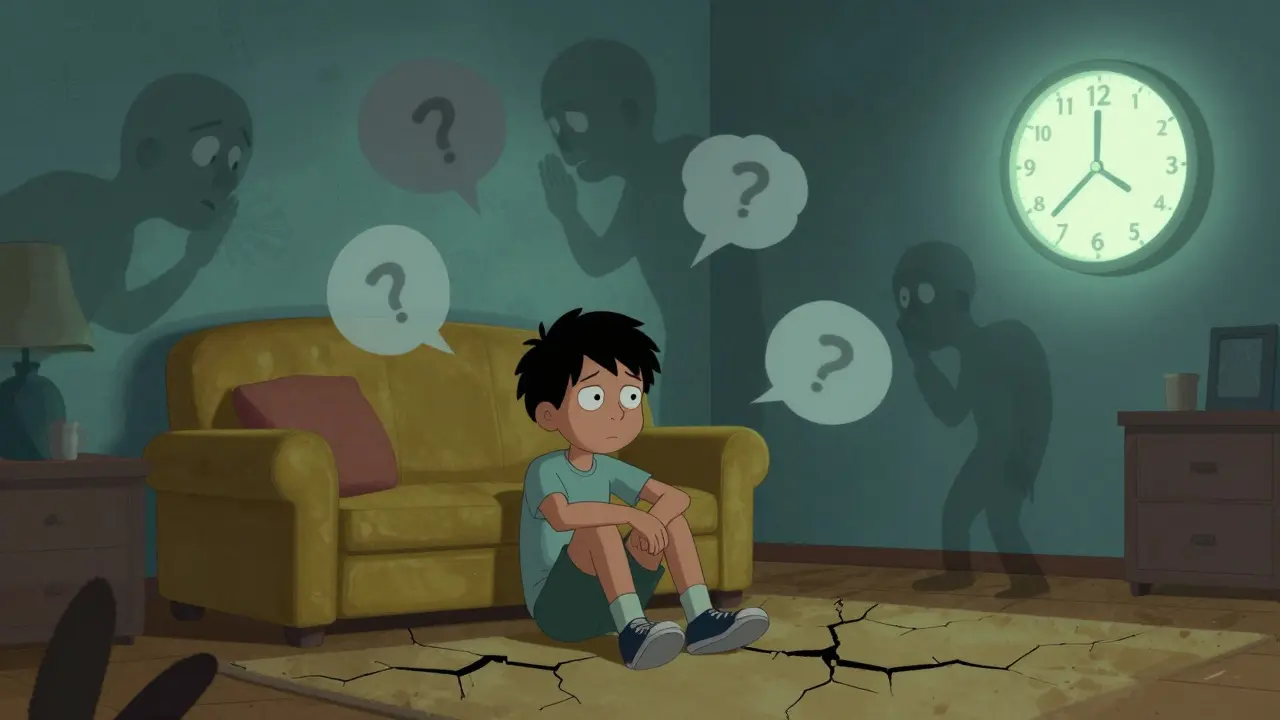
When someone experiences their first episode of psychosis, everything changes-fast. They might hear voices no one else can hear, believe things that aren’t true, or struggle to speak clearly. Their world feels broken. And if no one steps in quickly, it can stay broken for years. But here’s the truth: first-episode psychosis doesn’t have to mean a lifetime of decline. With the right help in the first few months, many people recover, go back to school, get jobs, and rebuild their lives.
What Exactly Is First-Episode Psychosis?
First-episode psychosis (FEP) is when someone experiences psychotic symptoms for the first time. These aren’t just odd thoughts or stress reactions. They’re real disruptions in how the brain processes reality. Hallucinations-like hearing commands or seeing things that aren’t there. Delusions-firmly held false beliefs, like thinking someone is spying on them or that their thoughts are being broadcast. Disorganized speech. Strange behaviors. Withdrawal from friends. A sudden drop in grades or job performance. It’s not rare. About 100,000 young people in the U.S. have their first psychotic episode each year. Most are between 15 and 35. It’s not caused by laziness, poor parenting, or drug use alone-even though drugs can trigger it in vulnerable people. It’s a brain condition, often with genetic and environmental roots. And the longer it goes untreated, the harder it is to fix.The 12-Week Window That Changes Everything
The World Health Organization says treatment should start within 12 weeks of the first symptoms. Why? Because the brain is still trying to adapt. This is a biological window of opportunity. Research from the RAISE project, led by the National Institute of Mental Health, showed that people who got help within six months had 45% better symptom recovery than those who waited longer. Delay isn’t just frustrating-it’s damaging. Every month without treatment increases the chance of permanent changes in brain function. A 3-to-6-month delay can mean losing the ability to live independently, hold a job, or maintain relationships. That’s not hypothetical. It’s backed by data from over 400 patients tracked across 20 U.S. clinics. The good news? Getting help early isn’t just helpful-it’s transformative. People who receive coordinated specialty care (CSC) within the first three months are twice as likely to stay in school or work two years later.What Is Coordinated Specialty Care (CSC)?
CSC isn’t one treatment. It’s five evidence-based services wrapped into one team-based approach. Think of it as a personal recovery crew: a psychiatrist, a therapist, a case manager, a vocational coach, and a family specialist-all working together.- Case Management: Someone who helps you navigate appointments, insurance, housing, and transportation. They call you 2-3 times a week during the first few months.
- Medication Management: Antipsychotics are used, but at the lowest effective dose. First-generation drugs like chlorpromazine are rarely used now. Second-generation drugs like risperidone or aripiprazole are preferred-but only at half the dose typically given for long-term schizophrenia. High doses (>400mg chlorpromazine equivalent) are actively discouraged by NICE guidelines because they cause more side effects with no extra benefit.
- Psychotherapy: Not just talk therapy. It’s cognitive behavioral therapy (CBT) tailored for psychosis. You learn to recognize early warning signs, manage stress, and challenge distorted thoughts without fighting them.
- Supported Employment and Education: This isn’t about “getting a job.” It’s about helping you return to what mattered before-college, a trade, a part-time job. The Individual Placement and Support (IPS) model works. In CSC programs, 50-60% of participants get competitive jobs or return to school. In regular programs? Only 20-30%.
- Family Psychoeducation: This is the part most people overlook. Families aren’t bystanders-they’re part of the treatment team. They learn what psychosis is, how to respond to symptoms without escalating tension, and how to support without enabling. Studies show this alone cuts relapse rates by 25%.

Why Family Support Isn’t Optional
When your child, sibling, or partner has psychosis, you don’t just feel sad-you feel helpless. You might blame yourself. You might argue with them. You might not know how to respond when they say they’re being watched. Family psychoeducation isn’t a lecture. It’s a 6-month program with 8-12 structured sessions. Families learn how to communicate calmly, set boundaries, recognize early signs of relapse, and reduce stress at home. In Washington State’s New Journeys program, families who participated saw their loved one’s hospital stays drop by nearly half. But here’s the hard part: only 55% of eligible families stick with it. Barriers? Shame. Fear. Lack of time. Not knowing where to start. Some programs now use telehealth to reach families who can’t come in person. Louisiana’s mobile crisis units have boosted participation by 35% since 2020. If you’re a family member, you’re not just helping someone else-you’re protecting their future. Your involvement is one of the strongest predictors of long-term recovery.What Happens If You Don’t Get CSC?
Traditional care often means a trip to the ER, a short hospital stay, a prescription, and then… nothing. No one checks in. No one helps with school. No one talks to your parents. You’re left alone with symptoms and stigma. The results? Only 40-50% of people stay in treatment under standard care. In CSC? 65-75%. Symptom reduction is 30-40% faster. Functional recovery-measured by how well someone can live, work, and relate-improves by 20-25 points on the Global Assessment of Functioning scale in CSC. In standard care? Just 10-15. And the cost? Untreated psychosis costs the U.S. $155.7 billion a year-mostly from lost jobs, emergency care, and homelessness. Early intervention? Just $28.5 billion. That’s a $127 billion savings. But money isn’t the only metric. It’s about dignity. Independence. A life worth living.Why Isn’t Everyone Getting This Help?
The science is clear. The guidelines are solid. So why do 82% of people with FEP still wait too long-or get no help at all? First, access. Only 35% of U.S. counties have a certified CSC program. In rural areas, that number drops to 38% of counties having zero access. Second, funding. Medicaid covers CSC in only 31 states. Most programs rely on short-term grants. Without stable funding, teams shut down. Workforce shortages are real. The average CSC team loses 22% of its staff every year. Training takes time-40 hours of classroom learning, plus 120 hours of supervised practice. Massachusetts trained 347 clinicians over five years. That’s progress. But it’s not enough. And then there’s stigma. Families are afraid to speak up. Schools don’t know what to do. Doctors misdiagnose it as depression or anxiety. A 2022 study found 28% of providers still start antipsychotics at unsafe doses because they’re not trained in FEP guidelines.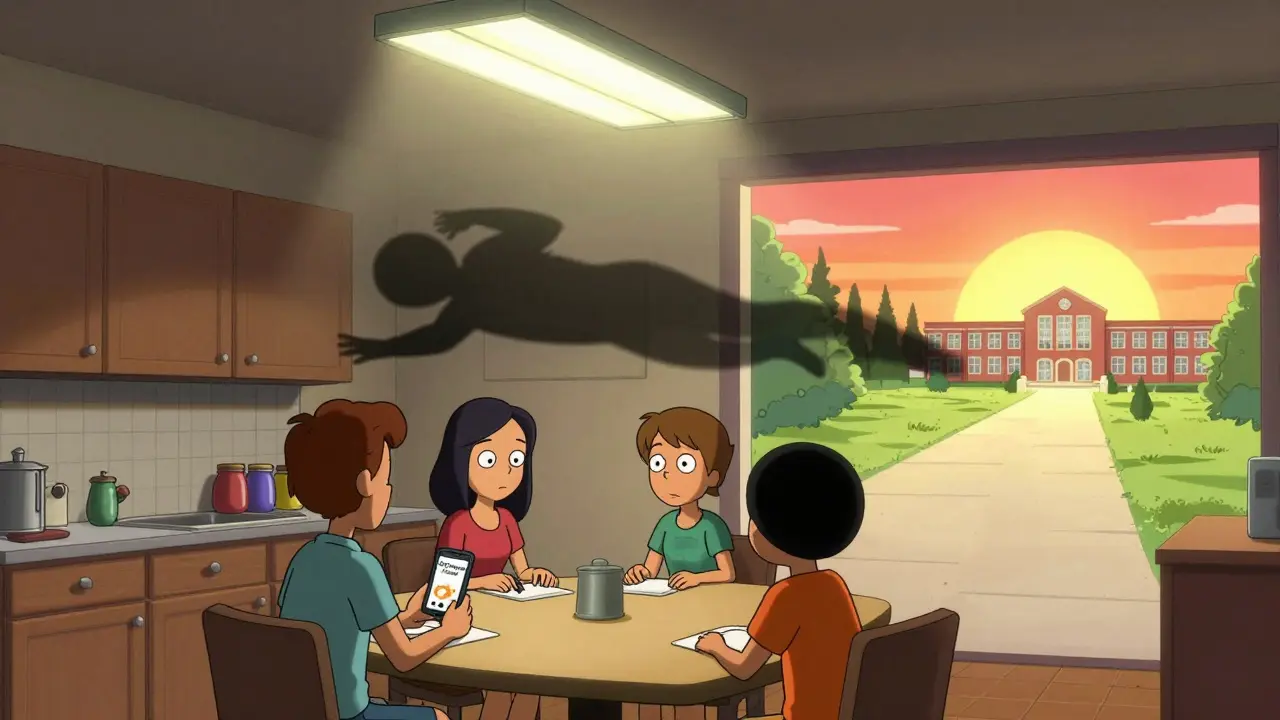
What’s Changing-and What’s Next
The number of CSC programs has jumped from 15 in 2010 to 347 in 2023. Federal funding through SAMHSA hit $25 million in 2023. New tools are emerging: smartphone apps like PRIME Care track symptoms in real time and have cut hospitalizations by 30% in early trials. The National Institute of Mental Health is investing $50 million through 2026 to find biological markers for early detection-maybe even before symptoms start. But the biggest shift is cultural. Mental Health First Aid programs now train teachers, pastors, and police officers to recognize psychosis. In 2023, the National Council launched a national Community of Practice with 142 instructors across 37 states. That’s changing how communities respond. The VA/DOD updated their guidelines in September 2023 with 17 new evidence-based recommendations. One key point: shared decision-making. No one should be forced into medication. Patients and families should be part of every choice.What You Can Do Right Now
If you or someone you love is showing signs of psychosis:- Don’t wait. Call a mental health provider or crisis line today. Don’t assume it’s just “a phase.”
- Ask: “Do you have a Coordinated Specialty Care program nearby?” If they say no, ask where you can be referred.
- Reach out to the Early Psychosis Intervention Network (EPINET) or the National Alliance on Mental Illness (NAMI). They can help you find resources.
- If you’re a family member: Attend every session. Learn the signs of relapse. Keep communication open, even when it’s hard.
- Advocate. Tell your state representative that CSC funding matters. This isn’t charity-it’s public health.
Real Hope Exists
This isn’t about curing schizophrenia. It’s about giving people back their lives before they’re lost. A 19-year-old college student who hears voices can still graduate. A 24-year-old who believes coworkers are poisoning them can still get a job. A 28-year-old who withdrew from everyone can still reconnect with friends. The science says: early help works. Family support makes it stick. And the longer we wait, the more we lose. The next episode of psychosis doesn’t have to be someone’s last chance. It can be the beginning of recovery-if we act now.What are the first signs of psychosis?
Early signs include social withdrawal, trouble concentrating, unusual beliefs or ideas, hearing faint voices, decreased personal hygiene, and a sudden drop in performance at school or work. These aren’t always dramatic-they often start subtly, like a person becoming quiet or suspicious without clear reason.
Is psychosis the same as schizophrenia?
No. Psychosis is a symptom-not a diagnosis. Schizophrenia is one possible outcome after repeated episodes, but many people with a first episode never develop schizophrenia. With early treatment, most recover fully and don’t have recurring episodes.
Can drugs cause psychosis?
Yes. Marijuana, methamphetamine, LSD, and even high-dose prescription drugs can trigger psychosis in people who are genetically vulnerable. But even if drugs played a role, treatment is still the same: coordinated specialty care. Stopping use is part of recovery, but it’s not enough on its own.
How long does coordinated specialty care last?
Most programs last 2-4 years. The first year is the most intensive, with weekly meetings. After that, visits become less frequent as the person gains stability. The RAISE-2 study found that extending care to 4 years helped people keep their jobs and stay in school longer than those who stopped after 2 years.
Are antipsychotic medications dangerous?
They have side effects-weight gain, drowsiness, metabolic changes. But in FEP, they’re given at the lowest effective dose. The real danger is not taking them when needed. Untreated psychosis causes more brain changes than medication. Regular monitoring of weight, blood sugar, and cholesterol is required-and it’s built into CSC programs.
Can teenagers get first-episode psychosis?
Yes. The average age of first episode is 18-25, but it can start as early as 13. Symptoms in teens are often mistaken for moodiness, depression, or rebellion. If a teen suddenly stops talking to friends, stops doing homework, or talks about strange beliefs, it’s worth getting an evaluation.
What if my family won’t participate in therapy?
Even if family members won’t join sessions, you can still benefit from CSC. Case managers and therapists can help you build your own support network-friends, teachers, peers. Some programs offer individual coping tools for people whose families aren’t ready to engage. Progress is still possible.
How do I find a CSC program near me?
Visit the Early Psychosis Intervention Network (EPINET) website or call NAMI’s helpline at 1-800-950-NAMI. You can also ask your primary care doctor or local mental health clinic. If no program exists nearby, ask if they can refer you to a telehealth option or a nearby county that offers services.



Comments
Luke Crump
January 7, 2026 AT 23:31 PMSo let me get this straight-we’re spending billions to save people who, let’s be real, might’ve just needed to stop smoking weed and get a job? This isn’t medicine, it’s social engineering with a fancy acronym. CSC? More like ‘Coddle-Specialty-Crisis.’
Molly Silvernale
January 8, 2026 AT 07:40 AMThere’s something profoundly beautiful about how the brain-this fragile, electric cathedral of thought-can fracture, and yet, with gentle, coordinated care, reassemble itself… not into what it was, but into something… wiser. Less afraid. More alive. It’s not treatment. It’s resurrection. And we’re still arguing about funding?
Annette Robinson
January 8, 2026 AT 08:05 AMI’ve seen this up close. My brother had his first episode at 21. We didn’t know where to turn. The first doctor said ‘it’s just anxiety.’ Six months later, he was sleeping in the garage. When we finally found CSC-thank god for NAMI-it changed everything. He’s working at a bakery now. Smiles again. I’ll never stop advocating for this.
Aubrey Mallory
January 9, 2026 AT 11:03 AMIf your family won’t show up? Good. Let them rot in their denial. You don’t need them. You need a team. A real one. Not a pity party. CSC gives you that. No guilt. No begging. Just structure, support, and the quiet dignity of getting your life back. Stop waiting for permission to heal.
Dave Old-Wolf
January 10, 2026 AT 14:47 PMSo what’s the earliest sign? I think my cousin’s been acting weird. Stopped texting. Talks to the TV. Says the neighbors are listening. Should I say something? Or is it just teenage stuff?
Prakash Sharma
January 12, 2026 AT 00:21 AMUSA spends billions on this? In India, we don’t have CSC. We have mothers who sit with their sons all day, whispering prayers. No doctors. No meds. Just love. Maybe your system is too fancy. Sometimes, silence and presence heal more than a team.
Donny Airlangga
January 12, 2026 AT 03:02 AMMy sister went through this. The meds made her sleepy. The therapy made her cry. But the vocational coach? He got her a job at the library. She reads to kids now. Quietly. Perfectly. That’s the real win-not the voices stopping, but the life starting again.
Kristina Felixita
January 12, 2026 AT 22:30 PMok so i just found out my bestie’s been hearing her dead grandma? she thinks it’s normal?? i’m so scared but i don’t wanna freak her out… like i know u said don’t wait but how do u even start this convo?? plz help
Joanna Brancewicz
January 13, 2026 AT 20:30 PMNeuroplasticity + early intervention = optimal synaptic pruning. CSC leverages the critical period of cortical reorganization post-FEP. Pharmacological stabilization + CBT + IPS = functional recovery trajectory. Family psychoeducation reduces expressed emotion, lowering relapse risk by 25%. End of story.
Evan Smith
January 15, 2026 AT 05:49 AMSo… we’re spending $28.5B to save people who might’ve just needed a hug and a nap? I mean, I get it. But let’s not pretend this isn’t a glorified babysitting program with a grant. Still… I’d rather have it than nothing. So yeah. Do it.
Lois Li
January 17, 2026 AT 00:44 AMI’m a teacher. Last year, a student stopped turning in work. Started muttering in class. We thought it was ADHD. Turns out, it was FEP. We didn’t know what to do. Now I’m trained in Mental Health First Aid. If you’re reading this and you work with kids-get trained. You might save someone before they crash.
christy lianto
January 18, 2026 AT 13:27 PMYou think this is hard? Try being the kid who hears voices at 14 and no one believes you. Not because they’re cruel-because they don’t know. We need this everywhere. Not just in cities. In towns where the nearest therapist is 2 hours away. This isn’t a luxury. It’s a lifeline. And we’re letting people drown because we’re too slow.