
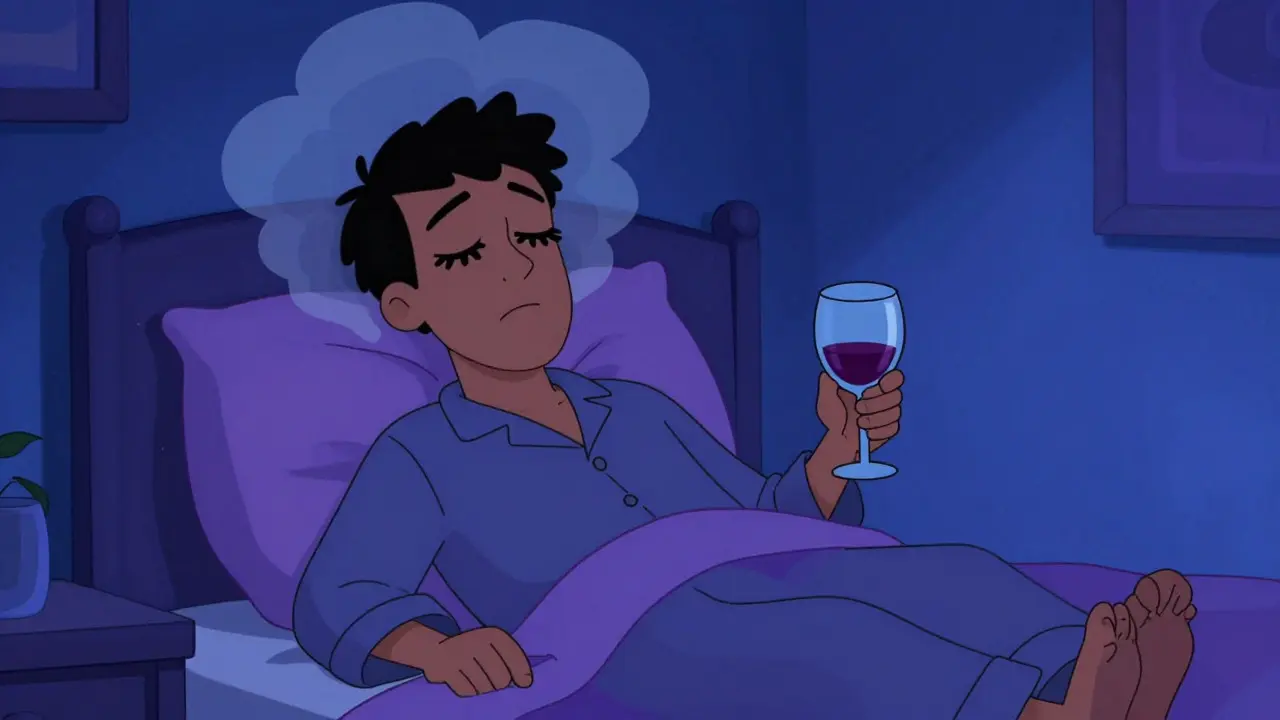
Does that evening glass of wine actually help you relax, or is it secretly sabotaging your rest? For decades, we’ve been told that a "nightcap" is the perfect way to unwind. But if you wake up feeling groggy despite sleeping for eight hours, the culprit might not be stress-it’s likely the alcohol in your system. While Alcohol is a central nervous system depressant that initially induces sedation but disrupts sleep architecture later in the night, its impact on Sleep Quality is the degree of restoration provided by sleep cycles, heavily dependent on uninterrupted REM and deep sleep stages is far more complex than simple drowsiness.
The truth is stark: alcohol does not improve sleep quality at any dosage. In fact, research consistently shows that even one standard drink reduces REM Sleep is Rapid Eye Movement sleep, critical for memory consolidation and emotional processing, which is suppressed by alcohol consumption by nearly 10% and increases sleep fragmentation by over 11%. This article breaks down exactly how alcohol fragments your sleep, worsens breathing disorders like apnea, and leaves you cognitively impaired the next day.
The Biphasic Trap: Initial Sedation vs. Second-Half Wakefulness
You pour a drink, feel relaxed, and fall asleep faster than usual. This isn’t a coincidence; it’s pharmacology. Alcohol acts as a sedative, reducing Sleep Latency is the time it takes to transition from full wakefulness to sleep, which alcohol decreases in the short term. Studies confirm that moderate consumption (about 2-3 drinks) can help you drift off quicker. However, this benefit is an illusion created by a biphasic pattern of sleep disruption.
Here is what happens inside your brain during those first few hours:
- Adenosine Spike: Alcohol increases extracellular adenosine in the basal forebrain. Adenosine is the chemical that builds up while you’re awake to make you tired. By artificially spiking it, alcohol forces your brain into early Deep Sleep (N3) is The deepest stage of non-REM sleep, characterized by slow-wave activity, which is enhanced by alcohol in the first half of the night.
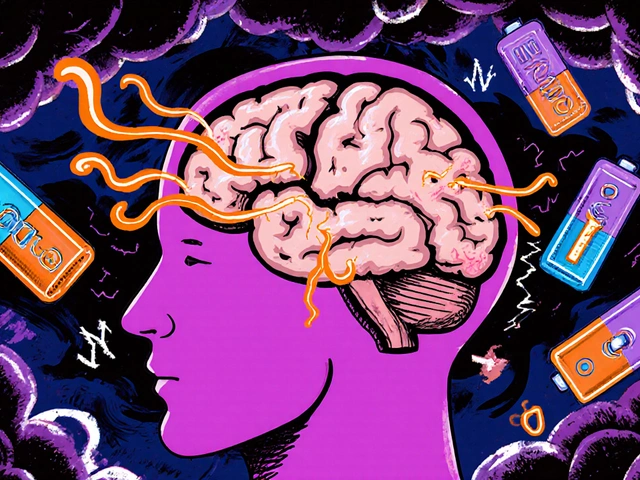
- REM Suppression: While you are stuck in deep sleep, your brain misses out on REM cycles. Since REM is vital for emotional regulation and memory, skipping it means you aren’t getting fully rested, even if you’re unconscious.
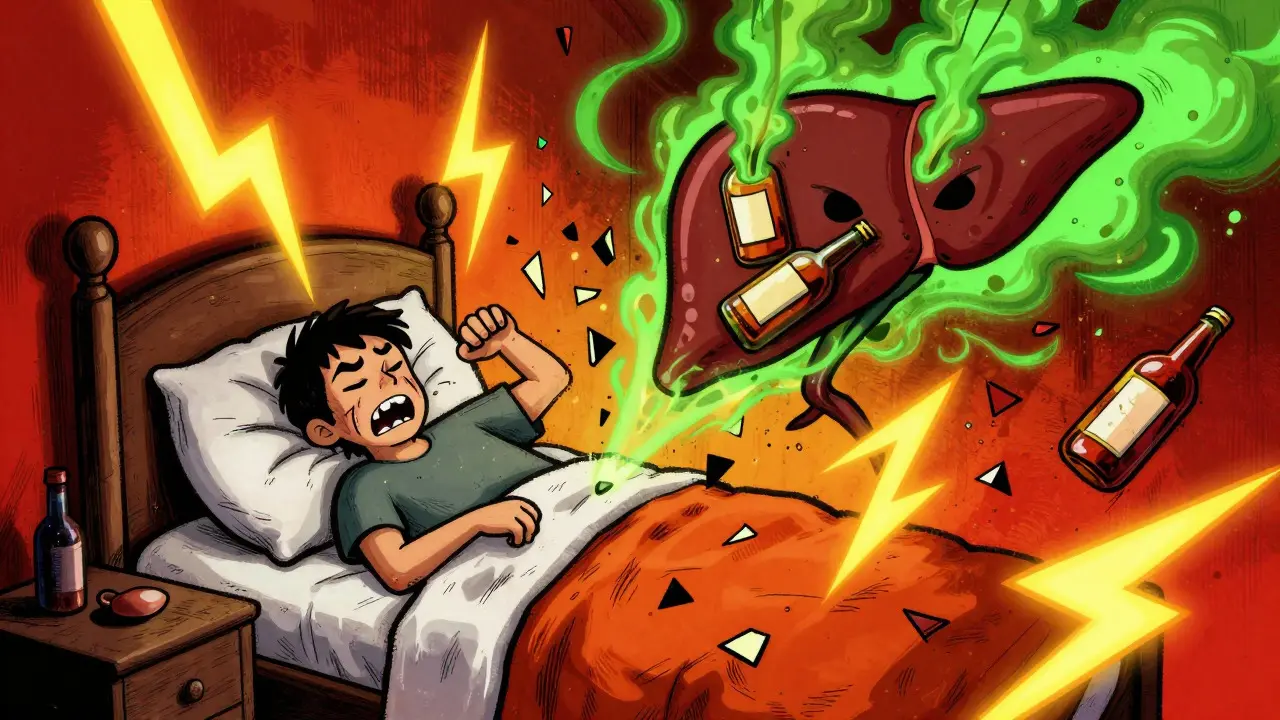
The problem arises when your liver starts metabolizing the alcohol. The body processes roughly one standard drink per hour. If you have five drinks at 10 p.m., your blood alcohol level drops significantly by 3 a.m. As the sedative effect wears off, your brain experiences a rebound arousal response. This leads to intense wakefulness and frequent micro-awakenings during the second half of the night. You might not remember waking up, but your sleep architecture has been shattered.
Sleep Fragmentation: The Silent Disruptor
Sleep Fragmentation is Frequent interruptions in sleep continuity, often caused by external stimuli or internal physiological changes like alcohol metabolism is the enemy of restorative rest. When alcohol disrupts your sleep, it doesn’t just keep you awake; it prevents you from cycling smoothly through sleep stages. A study published in Alcoholism: Clinical and Experimental Research found that consuming alcohol before bed decreased total sleep time by nearly 20 minutes and reduced sleep efficiency by over 4%. More alarmingly, it increased nocturnal heart rate by nearly 7 beats per minute.
This fragmentation is driven by REM Rebound is An increase in REM sleep duration and intensity after a period of REM suppression, often causing vivid dreams or nightmares as the body compensates for earlier loss. Because alcohol suppresses REM in the first half of the night, your brain tries to compensate later. This results in a surge of REM activity, often accompanied by intense dreaming or nightmares. These vivid dream states are lighter and easier to wake from, leading to more awakenings. According to the National Sleep Foundation, 67% of adults who drink within two hours of bedtime experience at least one nighttime awakening, compared to only 39% of non-drinkers.
Alcohol and Sleep Apnea: A Dangerous Combination
If you snore or have been diagnosed with Obstructive Sleep Apnea (OSA) is A disorder where breathing repeatedly stops and starts during sleep due to relaxed throat muscles blocking the airway, alcohol is particularly dangerous. OSA occurs when the muscles in your throat relax too much, blocking your airway. Alcohol is a muscle relaxant. When you drink before bed, it exacerbates this relaxation, making your airway more prone to collapse.
| Consumption Level | Risk Increase for Moderate-Severe OSA | Effect on Oxygen Saturation |
|---|---|---|
| 1 Standard Drink | 20% increase in Apnea-Hypopnea Index (AHI) | Minor drop in oxygen levels |
| 2-4 Drinks Per Day | 25% higher risk (RR=1.25) | Moderate reduction in oxygen saturation |
| 5+ Drinks (Heavy) | 51% higher risk (RR=1.51) | Significant drop (3-5 percentage points) |
The American Academy of Sleep Medicine notes that each standard drink consumed before bedtime can increase the Apnea-Hypopnea Index (AHI)-a measure of how many times you stop breathing per hour-by 20%. For someone with untreated apnea, this means more severe pauses in breathing, lower oxygen levels, and greater strain on the heart. The American Thoracic Society recommends that individuals with sleep apnea completely avoid alcohol within three hours of bedtime to prevent these spikes in severity.
Next-Day Effects: Cognitive Decline and Emotional Instability
You might think that because you slept for seven hours, you should feel fine. But quantity does not equal quality. The next-day effects of alcohol-induced sleep disruption are significant, affecting both your brainpower and your mood. A 2022 study in the Journal of Clinical Sleep Medicine revealed that sleep following alcohol consumption results in 15.3% less slow-wave sleep. This deficit translates directly to cognitive impairment.
Specifically, researchers found:
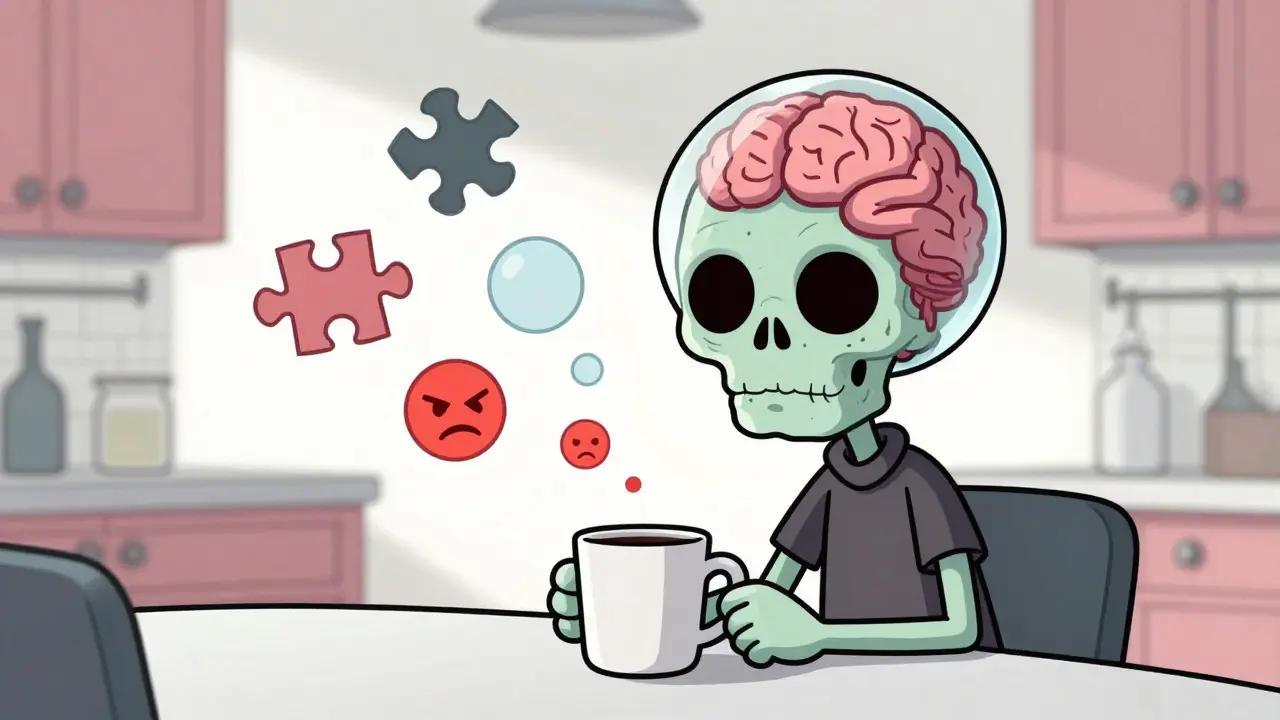
- Cognitive Processing Speed: Decreased by 12.7% the morning after drinking.
- Working Memory Capacity: Reduced by 9.4%.
- Emotional Reactivity: Increased by 31.2% towards negative stimuli.
This explains why you might feel irritable, anxious, or unable to focus after a night of drinking, even without a hangover. The lack of REM sleep impairs emotional processing, leaving you more sensitive to stress. Furthermore, chronic alcohol-induced sleep disruption accelerates cognitive decline in older adults. Longitudinal data shows a 23% faster rate of cognitive deterioration in regular pre-sleep alcohol consumers compared to abstainers over five years. It’s not just about feeling tired; it’s about long-term brain health.
The Cycle of Dependence and Insomnia
Perhaps the most insidious effect of alcohol on sleep is the cycle it creates. Because alcohol causes sleep fragmentation and poor quality rest, you wake up feeling unrefreshed. This sleep deprivation increases the urge to consume more alcohol to initiate sleep again. The University of Missouri School of Medicine demonstrated that binge drinking leads to a 40-60% increase in wakefulness during subsequent sleep periods, driving the need for more sedatives-including alcohol-to cope.
This bidirectional relationship is a major risk factor for developing alcohol use disorder. Approximately 35% of individuals with alcohol use disorder experience clinically significant sleep disturbances. Moreover, insomnia symptoms are a strong predictor of relapse during recovery. When people stop drinking, their sleep architecture takes 3-6 months to normalize, creating a challenging period where poor sleep can trigger cravings. Breaking the cycle requires recognizing that alcohol is not a solution for insomnia; it is a primary cause of chronic sleep problems.
Practical Steps to Improve Sleep Without Alcohol
If you want to reclaim your sleep quality, consider these evidence-based adjustments:
- Set a Cut-Off Time: Avoid alcohol at least 3-4 hours before bedtime. This allows your liver to metabolize most of the alcohol, reducing the rebound arousal effect in the second half of the night.
- Monitor Your Snoring: If you suspect sleep apnea, track your snoring or use a home sleep test. Even if you don’t have a diagnosis, avoiding alcohol will reduce airway resistance and improve breathing.
- Prioritize Consistency: Go to bed and wake up at the same time every day. This helps regulate your circadian rhythm and reduces reliance on substances to fall asleep.
- Create a Wind-Down Routine: Replace the nightcap with relaxing activities like reading, meditation, or gentle stretching. These activities lower cortisol levels without disrupting sleep architecture.
Remember, tolerance to alcohol’s sedative effects develops quickly, often within 3-7 days. What feels like a helpful aid today becomes a disruptive force tomorrow. By cutting out alcohol before bed, you allow your brain to naturally cycle through REM and deep sleep, leading to genuine restoration.
Does alcohol help you fall asleep faster?
Yes, alcohol can reduce sleep latency, meaning you fall asleep faster initially. However, this comes at the cost of sleep quality later in the night. As the alcohol metabolizes, it causes rebound wakefulness and fragmentation, leading to less restorative sleep overall.
How long does it take for sleep to normalize after stopping alcohol?
For regular drinkers, sleep architecture typically takes 3 to 6 months to fully normalize after cessation. During the first few weeks, you may experience heightened anxiety and insomnia as your brain readjusts its natural sleep-wake cycles without the depressant effects of alcohol.
Is one drink before bed safe for sleep apnea?
No. Even one standard drink can increase the severity of obstructive sleep apnea by relaxing throat muscles and increasing the Apnea-Hypopnea Index by 20%. Experts recommend avoiding alcohol entirely within 3 hours of bedtime if you have sleep apnea.
Why do I wake up in the middle of the night after drinking?
This is due to the biphasic effect of alcohol. Initially, it promotes deep sleep, but as your liver metabolizes the alcohol (about one drink per hour), the sedative effect wears off. This triggers a rebound arousal response, causing your brain to wake up or enter lighter sleep stages, often accompanied by REM rebound and vivid dreams.
Can alcohol cause long-term insomnia?
Yes. Regular alcohol consumption before bed increases the risk of chronic insomnia by 38%. Over time, the brain adapts to the presence of alcohol, losing its ability to self-regulate sleep. This can lead to a dependency where you feel unable to sleep without drinking, creating a cycle of poor sleep and increased alcohol use.
Comments
Jw George John Warren
August 13, 2026 AT 23:05 PMOh great, another article telling me my wine is killing me 🙄. I bet the authors are all drinking green juice and meditating in silence while writing this absolute load of nonsense. It’s always something isn’t it? First sugar, then carbs, now alcohol. What’s next, breathing air is bad for you? 😂
Rachel Robinson Interiors
August 15, 2026 AT 13:41 PMIt is actually quite fascinating how our bodies react to substances we think are harmless. The section on REM suppression really highlights why we feel so groggy even after a full night's rest. Have you considered trying herbal tea instead? It might help you unwind without the chemical rebound effect.
Jesse Barlau
August 16, 2026 AT 12:44 PMWhile the data presented here is certainly compelling and backed by reputable studies, it is important to remember that individual physiology varies greatly from person to person. Some individuals may metabolize alcohol more efficiently than others, which could mitigate some of these effects, although the general consensus remains that moderation is key. It would be beneficial to approach this information with an open mind rather than dismissing it outright, as understanding the mechanisms behind sleep fragmentation can lead to better overall health outcomes for everyone involved.
olatunde oluranti
August 17, 2026 AT 11:51 AMThe pharmaceutical industry pays for these studies. They want you off alcohol so you buy their new 'sleep aid' pills. Look at the funding sources if you dare. Big Pharma loves a good fear campaign. Wake up sheeple. Your liver knows what it's doing, stop listening to scientists who need grant money.
teresa baldini
August 19, 2026 AT 00:52 AMIs it possible that the correlation between alcohol and poor sleep is merely coincidental?? Perhaps people who drink also have other lifestyle factors that contribute to insomnia!!! One must question the validity of such broad generalizations!!! The scientific method requires rigorous scrutiny!!!
Daniel Cook
August 20, 2026 AT 02:45 AMI just read through this. Seems accurate enough based on what I've heard before. Not gonna lie, the part about waking up in the middle of the night hits home. I usually blame stress but maybe it's the beer. Interesting read though.
Michael Smith
August 20, 2026 AT 09:11 AMsure sure keep telling yourself its the alcohol not your chaotic life choices lol. i love how we act like one glass of wine is the end of the world. relax people. science is fun until it ruins happy hour right?
Paul Coar
August 21, 2026 AT 13:44 PMyo this is real talk tho! i used to drink every night and thought i was chillin but man the brain fog was insane. once i cut back i felt like a whole new person. dont let them tell u otherwise its legit. get ur sleep on!
Vivek sharma
August 23, 2026 AT 10:04 AMIn the grand tapestry of human existence, the quest for restful slumber is akin to seeking enlightenment in the East. Alcohol, much like attachment, creates suffering by disrupting the natural flow of energy. Let us embrace mindfulness and perhaps a cup of warm milk instead 🧘♂️✨
Garry Hedges
August 24, 2026 AT 12:55 PMlisten up folks its simple biology. alcohol messes with ur brain waves plain and simple. stop making excuses and start sleeping better. its not rocket science its just basic health. wake up and smell the coffee not the whiskey.
Jamaal Johnson
August 24, 2026 AT 15:43 PMThe implications of this research are truly profound when one considers the societal impact of widespread alcohol consumption. We are essentially trading our cognitive vitality for a fleeting moment of relaxation. It is a tragic exchange indeed, reminiscent of the cautionary tales found in classical literature regarding hubris and downfall.
Eunice Chen
August 24, 2026 AT 22:28 PMi tried stopping for a week and wow the difference was huge. no more weird dreams either. totally worth it.
Usha Ranji
August 26, 2026 AT 02:01 AMThis is a very helpful summary of the current research. Many people do not realize that the initial sedation is misleading. The rebound effect is often overlooked. Thank you for sharing this detailed breakdown.
sonia rockett
August 27, 2026 AT 15:39 PMGET ON IT PEOPLE! Stop making excuses and fix your sleep hygiene NOW! You are sabotaging your own success! If you want to win in life you need to win at night too! No more weak habits! Crush it!